On this page
- What to Expect: Your Airport Relief Area Checklist
- Why These Areas Exist: The Health Reality
- What You’ll Actually Find Inside
- How to Use Them: A Practical Sequence
- What I Tell Traveling Dog Owners: The Stress-Behavior Connection
- Before You Go: What Else to Know
- The Expectation: Relief Areas Are Infrastructure, Not Luxury
What to Expect: Your Airport Relief Area Checklist
Before you step into any airport with your dog, set clear expectations. Here’s what actually matters:
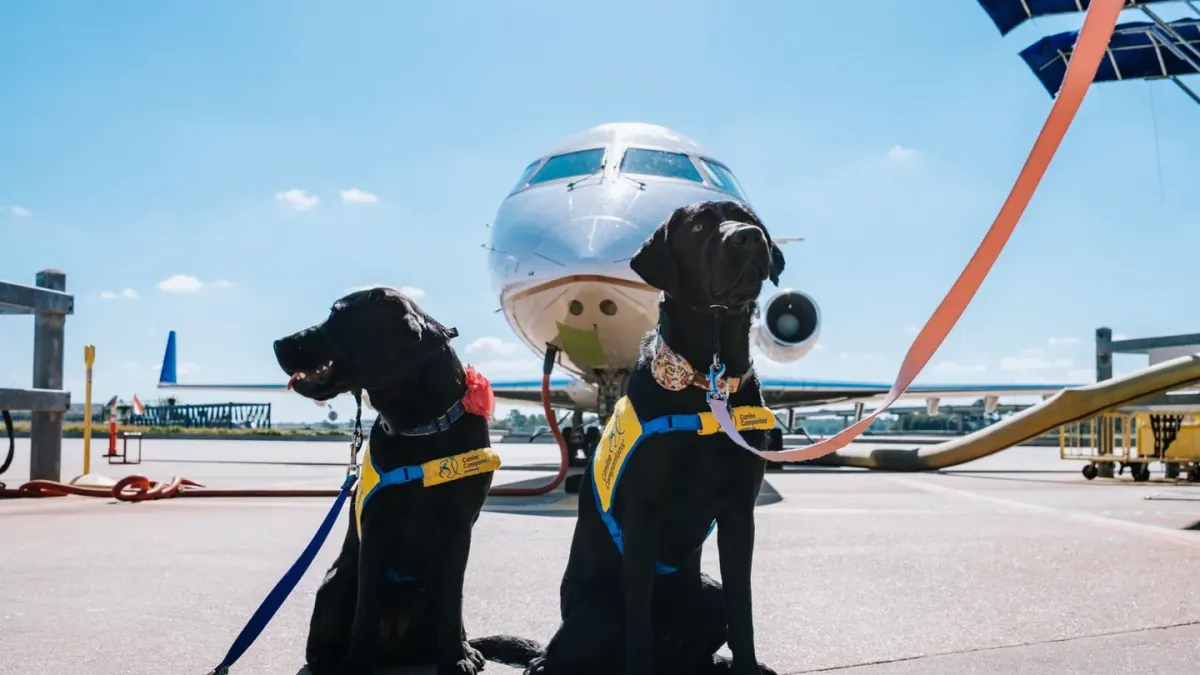
- These areas are federally required, not optional. Since May 2009, the Department of Transportation has mandated service animal relief areas at airports. As of 2016, airports serving more than 10,000 passengers annually must have at least one indoor relief area inside each terminal.
- Locations split pre- and post-security. Most major airports have outdoor relief areas before you pass through TSA screening, plus indoor facilities after security—so you can access relief stops without exiting the secure zone.
- Amenities vary widely. From basic artificial turf to rooms with sprinkler drainage systems and waste disposal, the quality depends on airport size and investment. Larger hubs offer more.
- You remain responsible for your dog and cleanup. Relief areas don’t mean off-leash freedom; they’re supervised spaces where you handle your dog and manage waste.
- Timing is your job. You have to recognize when your dog needs relief and navigate to the nearest area—airport staff won’t prompt you.
Why These Areas Exist: The Health Reality
Pet Friendly Travel reports that these spaces accommodate service animals, pets, and working dogs with one shared need: dogs cannot hold their bowels indefinitely, and trying to do so creates measurable stress.
In my practice, I’ve seen this play out across dozens of traveling dogs. I worked with a two-year-old Golden Retriever, Max, whose owner was taking him on a six-hour journey involving a two-hour layover. The owner was anxious—Max had never flown, and she worried he’d have an accident or develop severe anxiety. We reviewed the itinerary together: her airport had a pre-security outdoor relief area right near the entrance, plus a post-security indoor facility near her gate. I walked her through a timeline: arrive early, use the outdoor area immediately, pass through security, use the indoor area about 45 minutes before boarding, then one final walk at her destination. When she reported back weeks later, Max had relieved successfully at both airport stops, remained visibly calmer throughout the airport experience, and showed no stress-related digestive upset during or after the trip. The difference wasn’t a medication or a magic fix. It was structure and strategic relief.
Holding urine and stool for extended periods can create urinary irritation, anxiety behaviors, and digestive upset in dogs—especially seniors or those with any history of urinary sensitivity. Giving your dog appropriate opportunities to relieve himself helps support normal physiological function during travel, which in turn reduces the secondary anxiety that often follows distress.
What You’ll Actually Find Inside
The facilities have evolved. ATL: Hartsfield-Jackson Atlanta International Airport, which operates more service animal relief areas than any other U.S. airport with seven distinct spaces, features signage, artificial turf patches, and clear instructions for cleanup. Denver International offers post-security relief rooms located in the center cores of major gate areas, equipped with wall-mounted sinks, soap dispensers, hand dryers, and paper towels—a sign that airport operators expect you to stay and handle cleanup properly.
According to industry standards, many relief areas now feature artificial grass covering, miniature fire hydrants to trigger natural marking behaviors, and pop-up sprinkler systems that drain liquid waste. Chicago O’Hare’s Pet Relief Room is a prime example: the space includes artificial grass, miniature fire hydrants, and sprinkler systems to eliminate waste into drains. Detroit International’s facility offers both artificial and real grass with integrated drainage, giving dogs tactile variety and owners confidence in sanitation.
The design is intentional. These aren’t afterthoughts; they’re built to accommodate the real biology of traveling dogs and the realities of airport logistics.
How to Use Them: A Practical Sequence
Arrive early and use the pre-security area first. Most airports have an outdoor relief space accessible immediately upon entry. This is your pressure-release valve. Bring waste bags, give your dog 10–15 minutes to relieve himself, and clean up meticulously. This single stop reduces the stress load for your dog’s entire airport experience.
Pass through security, then identify the post-security relief area. Airport maps and websites now clearly mark these locations. Use your phone to find it on the terminal map, or ask any airport staff member—they know exactly where these areas are and will direct you cheerfully.
Time your post-security visit for 45 minutes to one hour before boarding. This gives your dog time to relieve, prevents a last-minute scramble to the gate, and allows him to settle before the boarding crowd builds.
Keep your dog on leash at all times. Relief areas are not dog parks. Your dog should remain under your control, focused on the task at hand, not on other dogs or environmental stimulation.
Bring water and offer a drink. If the relief room doesn’t have a water bowl or fountain, use a collapsible bowl you’ve packed. Hydration before a flight matters, especially on longer flights.
One crucial detail: if your dog hesitates to relieve in an unfamiliar space—which is common, especially in seniors or anxious dogs—stay patient. Give him five to ten minutes of calm, quiet time without pressure. Sometimes a quiet voice and a patient stance do more than hurrying him. If your dog has diagnosed travel anxiety, this is worth discussing with your veterinarian before the trip; anti-anxiety support may help him access relief areas reliably.
What I Tell Traveling Dog Owners: The Stress-Behavior Connection
I see owners in the weeks before their trips, and the conversation always circles back to the same concern: Will my dog be okay in the airport? Part of the answer depends on your dog’s temperament and prior experience. Part of it depends on logistics—and that’s where your control lives.
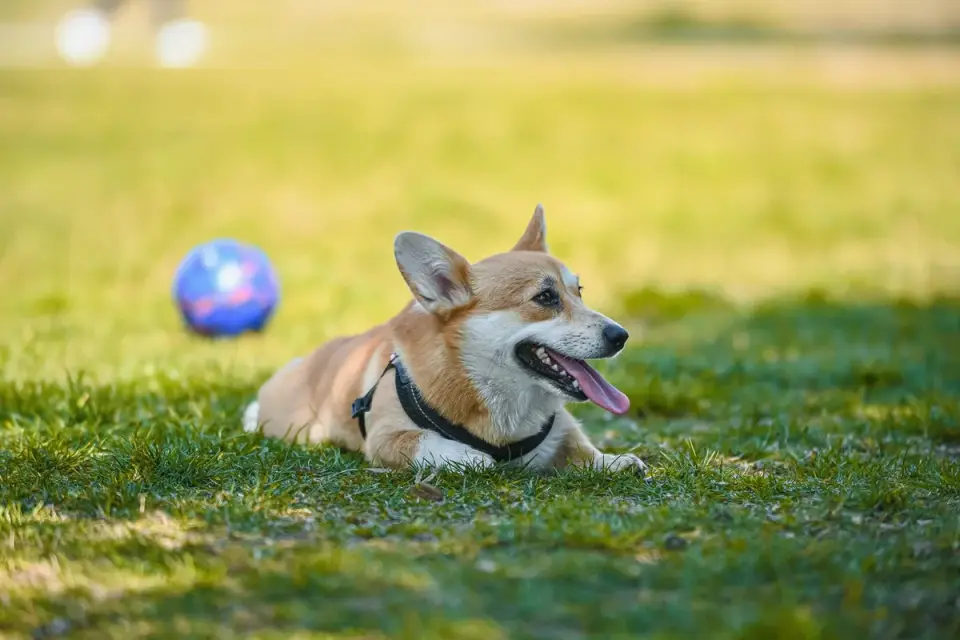
I worked with a couple traveling with their senior Corgi, Penny, who was 11 years old and had mild urinary incontinence. They were dreading a four-hour airport day before their flight, worried she might have an accident and feel embarrassed or distressed. We mapped out the exact terminal layout together, identified both relief areas, and planned a realistic timeline. They arrived three hours early, used the pre-security area comfortably, relaxed in a quiet corner for 30 minutes, used the post-security relief area 50 minutes before boarding, and then headed to their gate. Penny had no accidents, her owners reported she seemed calmer than they’d anticipated, and the trip reinforced their confidence for future travel. What changed wasn’t Penny’s physiology or her age. It was their expectation-setting and their willingness to build relief time into the plan.
That’s the move I want to emphasize here: set realistic expectations about airport time, treat relief access as a non-negotiable part of your travel timeline, and recognize that your dog’s ability to handle the airport depends largely on whether you’ve given him the structure to succeed. Stress in dogs isn’t just emotional—it creates physiological changes: elevated cortisol, digestive slowdown or acceleration, and sometimes behavioral shutdown. A dog who has relieved successfully is a dog whose nervous system has had a chance to reset.
Before You Go: What Else to Know
The American Kennel Club’s guide to dog airline travel covers federal health requirements, airline-specific pet policies, and temperature restrictions. Most airlines require a health certificate signed by a veterinarian, and all recommend flying during moderate temperatures to reduce heat stress. Building relief area access into your timeline is one piece of travel prep; confirming your airline’s specific policies, ensuring your dog is microchipped, and checking current health regulations are equally important.
If you’re new to traveling with your dog in general, consider reviewing Getting Started With Dog Travel: A Practical Prep Guide for foundational planning steps beyond the airport logistics.
The Expectation: Relief Areas Are Infrastructure, Not Luxury
Airport pet relief areas exist because dogs have basic biological needs, and ignoring those needs during air travel creates measurable stress and sometimes preventable health issues. They’re federally mandated, they’re widespread, and they’re designed specifically to solve the problem you’re facing: how to keep your dog’s physiology stable while you navigate airport procedures.
What I tell every client in the exam room applies equally here: start with clear expectations, know what you’ll encounter, and invest ten minutes in researching your specific airport’s layout before you travel. A dog who has relieved successfully before boarding is a dog who’s visibly calmer in the cabin, less likely to develop stress-related symptoms, and more likely to arrive at his destination with his nervous system settled rather than stretched.
Your dog doesn’t need fancy amenities. He needs a simple, appropriate place to eliminate waste and move his legs—and he needs you to plan for it. That’s what these areas provide, and strategically using them is one of the highest-leverage moves you can make in dog travel.
Sources
- Pet Friendly Travel: Animal and Pet Relief Areas at U.S. Airports — Pet Friendly Travel
- Service Animal Relief Areas at Hartsfield-Jackson Atlanta International Airport — ATL
- Traveling with Pets at Denver International Airport — Denver International
- Best Airlines for Pet Travel and Dog Airline Policies — American Kennel Club