On this page
Walk the room before your dog does. That’s the whole method, really — but almost nobody does it in order, and the order is what saves you a 2 a.m. emergency vet call in a city you don’t know.
Do this first, before the bags are even down
Leash on, dog outside the door or crated in the hallway for two minutes. Sweep the room yourself first. Check under both beds for stray items housekeeping missed — pens, sewing kits, mini soaps, dropped medication. Open every drawer at nose height; minibars and desk drawers are notorious for loose batteries and old takeout menus with rubber bands. Look at the window and balcony latches, then the bathroom: is the trash can lidded, and is the toilet lid down? Only after that sweep should the leash come off.
The myth: a closed hotel room door means a contained, safe space. The reality: the door controls exit, not exposure. A room can be fully closed and still contain a carbon monoxide leak, a gap under a connecting door, or a balcony rail a determined 20-pound terrier can squeeze through. Containment and safety are two different jobs, and treating them as one is where most close calls start.
Myth versus reality, room by room
Bathroom: bathrooms look boring, which is exactly why dogs get into them. Toilet bowl cleaner tablets, disposable razors, and mini shampoo bottles with foaming surfactants are all reachable at dog height. Close the lid, stash toiletries above counter level, and check for a gap under the vanity where a curious nose fits.
Bedroom: mini bars and bedside drawers hold sleep aids, mints with xylitol, and sometimes leftover medication from a prior guest. A single sweep of every drawer takes under a minute and closes off the highest-risk category in the room.
Balcony and windows: verify the latch actually locks, not just closes. Screens are not barriers — they’re a suggestion. If there’s a balcony, treat it like an open door until you’ve confirmed the rail spacing and the latch, and never leave a dog out there unsupervised even briefly.
One hazard rarely makes anyone’s checklist: carbon monoxide. It’s invisible, it’s odorless, and it’s disproportionately common in exactly the buildings dog owners consider “safe” — older, budget, and mid-tier hotels with gas-fired water heaters near occupied rooms. From 2005 through 2018, 905 hotel guests were poisoned by carbon monoxide across 115 documented U.S. incidents, including 22 deaths, most traced to natural-gas appliances that an in-room carbon monoxide alarm would likely have prevented, according to a peer-reviewed analysis published on PMC. Most hotel rooms don’t have one. Dogs, with faster respiratory rates than adults, are affected sooner than the people sleeping next to them — which is one more reason a portable detector belongs in the same bag as the leash.
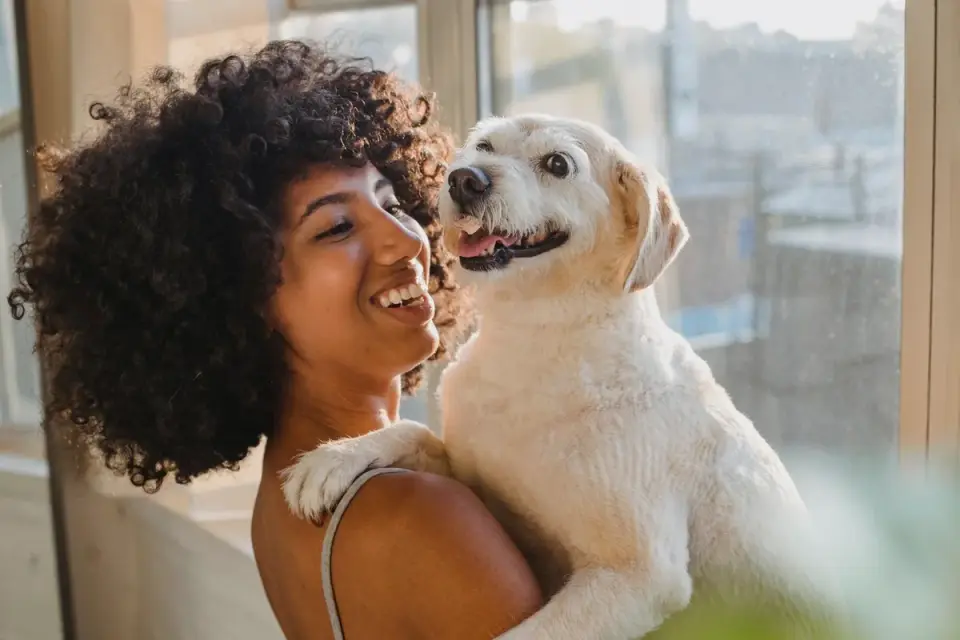
I think about a boarder I evaluated a few years back — a 62-pound Lab mix, four years old, on his third hotel stay of a cross-country move. By day two, his owner noticed him pawing at his mouth and drooling more than usual. Turned out he’d chewed into a bar of hotel soap tucked in an open bathroom drawer, not a real toxin threat at that dose, but the kind of low-grade GI upset that ruins a travel day. A drawer left open, a five-minute sweep skipped — that’s usually the whole story.
The setup that prevents the callback
Here’s the failed approach I see most often: owners do a thorough sweep the first night, then stop checking once the room feels familiar. That’s backwards. Housekeeping resets the room daily — new soap, a re-stocked minibar, sometimes a maintenance visit while you’re out at dinner. A room that was clean on Monday can have a dropped screw or a new bottle of surface cleaner by Wednesday. Treat every re-entry, not just check-in, as a two-minute scan: drawers, floor, balcony latch.
For general household toxin categories to keep in mind while you’re doing that sweep — medications, cleaning products, and certain foods top the list — the ASPCA Pet Insurance: ASPCA outlines the most commonly reported hazards, and the same categories travel with you into a hotel room. The AAHA also recommends securing cords and small objects at floor level, a habit that transfers directly from home to hotel.
An edge case that changes the plan
Here’s the wrinkle that trips up even careful owners: senior dogs and dogs with mobility issues need a different sweep entirely. I once consulted on a 10-year-old Cavalier with mild tracheal collapse, staying at a hotel for a family wedding at the three-week mark of a new joint supplement trial. The room checked out fine by every standard hazard list — no chemicals, no cords, latches secure. What nearly caused a problem was the HVAC unit’s proximity to her bed; the airflow triggered her cough reflex overnight. The lesson: your safety sweep should account for your specific dog’s sensitivities, not just a generic hazard list. A young, healthy retriever and an older dog with a respiratory or joint condition need overlapping but not identical checks.
Related reading before you check in: our first-timer’s hotel room setup checklist covers the gear side of this, and if you’re flying in, airline pet policies are worth confirming before you book. Once you’re settled, keeping a dog calm and quiet in a hotel picks up where this sweep leaves off.
The bottom line
A hotel room is not pre-proofed for your dog, no matter how nice the property looks. Do the sweep on arrival, repeat a shorter version after housekeeping visits, and bring a portable carbon monoxide detector if you’re staying anywhere without confirmed in-room alarms. The strongest counterargument I hear is that this is overkill for a one-night stay — and for a healthy adult dog in a modern, well-reviewed hotel, the risk is genuinely low. But the sweep costs five minutes and the alternative costs a ruined trip at best. I’ll take the five minutes every time.
Frequently asked questions
What's the single most overlooked hazard in a hotel room for dogs?
Carbon monoxide. Most hotel rooms aren't required to have in-room detectors, and the gas is odorless, so a portable detector is worth packing.
Should I re-check the room every day of a multi-night stay?
Yes. Housekeeping restocks and services rooms daily, so a two-minute re-scan of drawers, the floor, and any balcony latch after each cleaning is worth the habit.
Are hotel bathrooms actually risky for dogs?
They can be. Toilet bowl cleaner, razors, and mini toiletries sit at nose height and are easy for a curious dog to reach if the lid or drawer is left open.
Sources
- Carbon Monoxide Poisonings Associated with Motels, Hotels, and Resorts — National Library of Medicine (PMC)
- How to Pet-Proof Your Home — ASPCA Pet Insurance
- Essential Tips for Pet-Proofing Your Home — AAHA