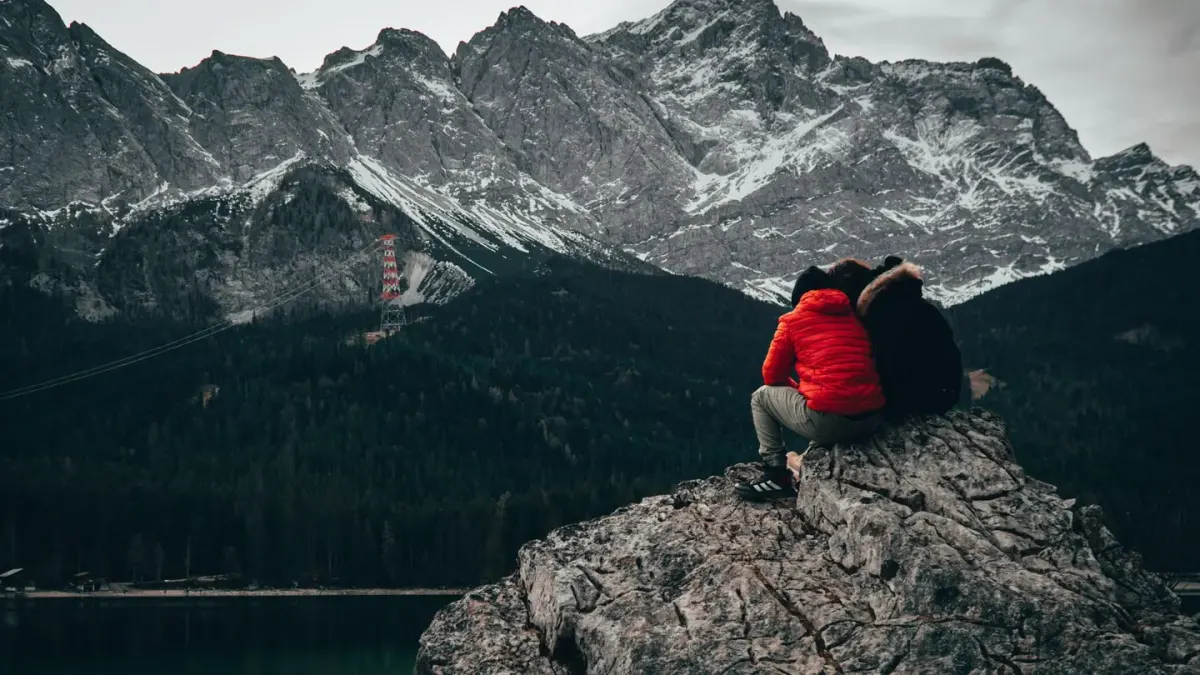
Shake everything out at camp before it ever touches your trunk, because dried mud in fabric only gets harder and smellier on the drive home. That one expectation changes the whole job from deep-cleaning at home to quick maintenance on site.
Fred learned this with Vito, his 6-year-old neutered male Pug mix from Stamford, Connecticut, after a two-night tent trip left a fleece blanket, long line, and food mat caked after 400 yards of rainy trail. He shook, rinsed, and bagged gear at the picnic table in 15 minutes, then washed only one load at home instead of three.
Why can’t you just toss it all in the car?
Wet nylon, soggy bedding, and muddy paws sealed in a hot car create odor fast and keep skin and ears damp. The Centers for Disease Control and Prevention reminds travelers that routine hygiene around pets — handwashing, clean bedding, and keeping gear dry — may help support lower-risk contact after outdoor time.
Separate at the trailhead. Shake collars, harnesses, jackets, booties, towels, beds, and tent footprints hard. Knock mud off boots and stakes. Put truly wet items in a waterproof sack or bin, and keep dry food, treats, and first-aid supplies in a separate tote.
This matters for camp cleanliness too. The Leave No Trace Center for Outdoor Ethics advises campers to wash away from lakes and streams and pack out waste, which applies to muddy rinse water with dog shampoo or food residue.
Myth: a hot wash fixes everything
Reality: heat and harsh detergent ruin waterproof coatings and trap odor in foam. Most camping dog gear cleans best with cold shaking, a cool rinse, mild soap only where needed, and fast air-drying.
Work this sequence at camp:
Knock off loose mud and let sun and wind do 10 minutes of drying while you pack the tent. Rinse leashes, collars, bowls, booties, and silicone mats with clean camp water. Wipe, do not soak, padded harnesses and sleeping bags unless the label says washable. Hang everything on a line or car hatch for the drive home.
At home, keep the same order. Rinse again, wash only machine-safe items on gentle with mild, fragrance-free detergent, then air-dry fully before storage. Damp foam beds and crate pads may help support comfort longer when they dry flat in airflow rather than folded in a bin.
Dry beats deodorized every time.
Check seams, buckles, zippers, and tie-outs for grit before you store them. Rinse salt, sand, and pine sap now to protect stitching. If a coat lost its water beading, re-treat only with a pet-safe reproofer per label directions.
My recommendation, and where it stops
For most weekend campers, my counsel is simple: shake and rinse at camp, air-dry within 24 hours, and wash less. That preventive routine may help support skin comfort, gear life, and a less smelly car, and it fits guidance for protecting car seats from muddy paws on the ride home.
It is the wrong call when gear smells sour after drying, your dog is scratching or shaking his head after the trip, or bedding stayed wet for more than a day. Then skip deodorizing sprays, wash thoroughly or replace porous foam, and call your veterinarian for skin or ear signs. That same low-stress reset helps after other disruptions, as in signs your dog is stressed after boarding.
Planning another night out soon? Review is camping safe for dogs before you repack, so clean gear goes back into a safe setup. What could you leave dirty one more day, and what needs sun right now?
Frequently asked questions
Should I wash my dog's camping bedding right at the campground?
Usually no. Shake off mud, rinse only hard surfaces, and air-dry. Save machine washing for home so you protect coatings and campground water sources.
How do I keep muddy gear from ruining the car?
Bag wet items separately in a waterproof sack or bin, keep dry food and first aid apart, and hang leashes and jackets to air on the drive. A seat cover or crate liner helps for the dog.
Sources
- Healthy Pets, Healthy People — Centers for Disease Control and Prevention
- 7 Principles — Leave No Trace Center for Outdoor Ethics