On this page
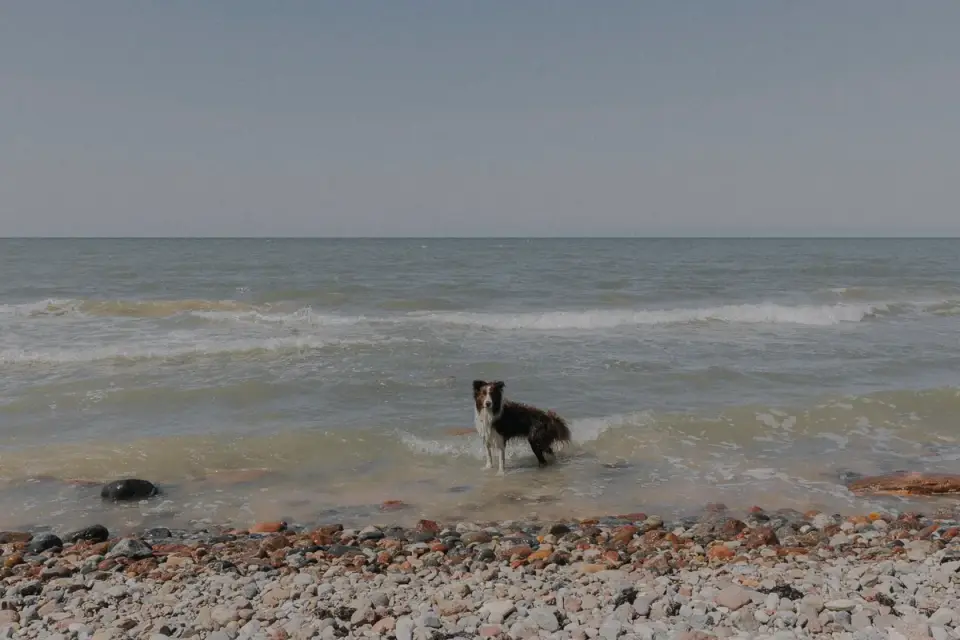
If you’re planning a beach day with your dog, I’d set the expectation this way: shade may help support normal temperature regulation and rest, but it doesn’t make midday heat safe for every dog.
That limitation decides your whole packing list. Dogs cool mainly by panting, and hot sand, reflected sun, and humid air can overwhelm that system faster than you’d think. The American Veterinary Medical Association notes that shade and water matter, yet dogs can still overheat in warm weather, and VCA Hospitals describes how heatstroke can progress quickly once panting and rest aren’t enough. So pack as if shade buys you comfortable morning time, not all-day immunity.
The shade problem no tote bag solves
Here’s the surprising part: most beach shade moves. A small umbrella shifts with the wind, a towel holds heat, and a dog who wants to watch the waves won’t stay curled under a sliver of fabric. I counsel owners to pack shade your dog will actually use, in a spot you can hold through a wind gust and a tide change.
For context on timing, water breaks, and beach manners, it helps to review Beach Trips With Your Dog: Safety and Etiquette before you load the car.
Myth or fact: an umbrella is enough?
The myth is that any patch of shade counts. The reality is more practical: dogs need low, wide, ventilated shade with room to stretch out, plus cool footing underneath.
A beach umbrella can work for one person reading in a chair. For a dog, a pop-up beach tent, sun shelter, or lightweight canopy with open sides usually works better because it covers more ground, vents heat, and stays put with sand pockets or stakes. Add a raised cot or breathable mat so your dog isn’t lying on hot sand inside the shade. That airflow underneath may help support comfort and normal resting behavior.
Pack shade in this order
Pack in layers, in the order you’ll set up and use them.
First, anchor and cover. Bring the shelter, sand anchors or sturdy stakes, and a mallet if your shelter needs one. Practice setup once at home, because beach wind is a terrible teacher.
Next, cool the ground. Pack a light-colored sheet or mat to extend the shaded footprint, plus a raised cot if you have space. Check sand temperature with your hand. If you can’t hold it there comfortably, your dog shouldn’t lie on it.
Then, support rest and fluids. Bring fresh water and a no-spill bowl, a frozen water bottle to keep the bowl cool, and a chew or stuffed toy for settled time in the shade. Many camping-style lists translate well here, and What to Pack for a Camping Trip With Your Dog is a useful cross-check for shelter stakes, water, and rest gear.
Keep it simple and repeatable.
That one-sentence rhythm matters on a windy beach.
Where I land, and your skeptical friend’s question
My recommendation is firm: bring a wind-stable shelter plus a ground layer and water, and plan your beach visit for cooler hours with built-in shade breaks.
Your skeptical friend might ask, “Isn’t this overkill for a dog who loves the sun?” Fair question. Some dogs do sunbathe happily for ten minutes, then pant, pace, drool heavily, or hunt for shade. Vets often see heat trouble start with those small behavior changes, not collapse. Prevention costs you ten extra minutes of packing. Treatment costs you a ruined trip and an emergency visit.
If your dog is very young, older, flat-faced, heavy-coated, or managing a health condition, keep the beach day shorter, stay closer to the car, and leave early if panting doesn’t settle in shade. Shade is a tool, not a guarantee.
Sources
- Warm Weather Pet Safety — American Veterinary Medical Association