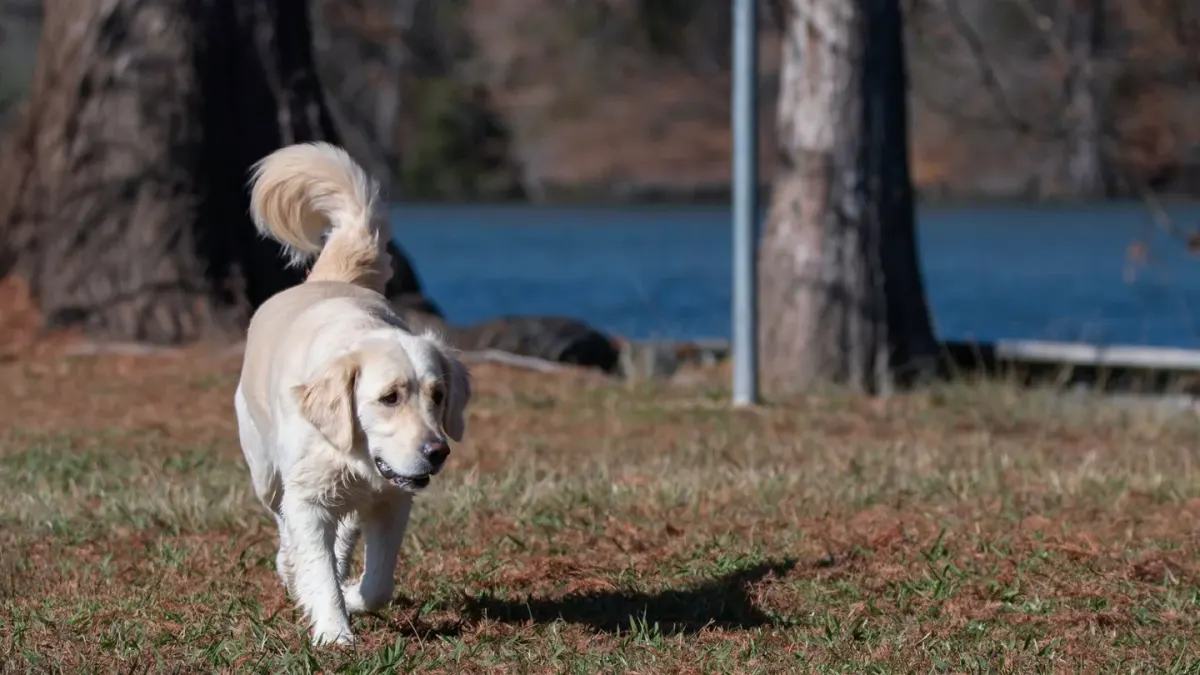
Most lake days go sideways before you ever unload the cooler. Not because dogs cannot swim, but because lakes hide what oceans and pools make obvious — murky entries, sudden drop-offs, and water quality that can change overnight. Plan for those three and the rest gets easy.
I counsel lake trips the way I counsel preventive visits: set the baseline first. My one recommendation is simple. Choose your spot for safe water and a gradual exit, then build the fun around that choice. Everything else — toys, snacks, photos — may help support a calm, low-stress day, but only if the swimming setup is sound.
A client with a 4-year-old, 62-pound Labrador mix made this concrete for me last summer. She wanted an off-leash swim beach an hour away because her dog lived for fetch. We looked together at entry photos and recent water-quality posts, and the shoreline dropped fast with no shallow shelf. We switched to a smaller cove lake 25 minutes away with a sandy, walk-in entry and on-leash rules. He swam four short retrieves, shook off on the mat we had staged at the shoreline, drank clean water from his own bowl, and napped the whole ride home without the vomiting and scratching she had seen after their last river outing.
The lake myth that gets dogs in trouble
The myth is every dog is a natural swimmer and every pretty lake is swimmable. Reality is messier. Some athletic breeds tire fast in chop, short-legged and senior dogs struggle with steep banks, and blue-green algae can make a glassy cove unsafe even when it looks perfect.
That is why I check advisories before I check the weather. The U.S. Environmental Protection Agency explains how nutrient-fueled harmful algal blooms form in warm, slow-moving water, and why you should keep pets out when you see scum, mats, or discolored water. If there is a posted warning, pick another day or another lake. No swim is worth the risk.
Warm water also means more bacteria and more shared shoreline use. The CDC notes that natural swimming areas are not disinfected like pools, so rinsing off after swimming and discouraging drinking lake water are sensible low-stress handling habits. I tell owners to expect some swallowing and splashing, and to plan around it with fresh water breaks.
How I plan it, in order
Start the night before. Confirm the lake allows dogs, leash rules, and swim areas. Look for recent algae or bacteria advisories on the park or state environmental site. Pack as if you will stay an hour longer than planned — water, bowl, long line, well-fitted life jacket for weak or senior swimmers, towel, shade, waste bags, and a snack for you both.
On arrival, walk the entry without your dog first. You want a gradual slope, firm footing, and a clear path out of the water every few feet. Avoid slick boat ramps, fishing lines, and warm stagnant arms with visible film. Set up shade and water 15 to 20 feet back from the splash zone so your dog has a true rest spot.
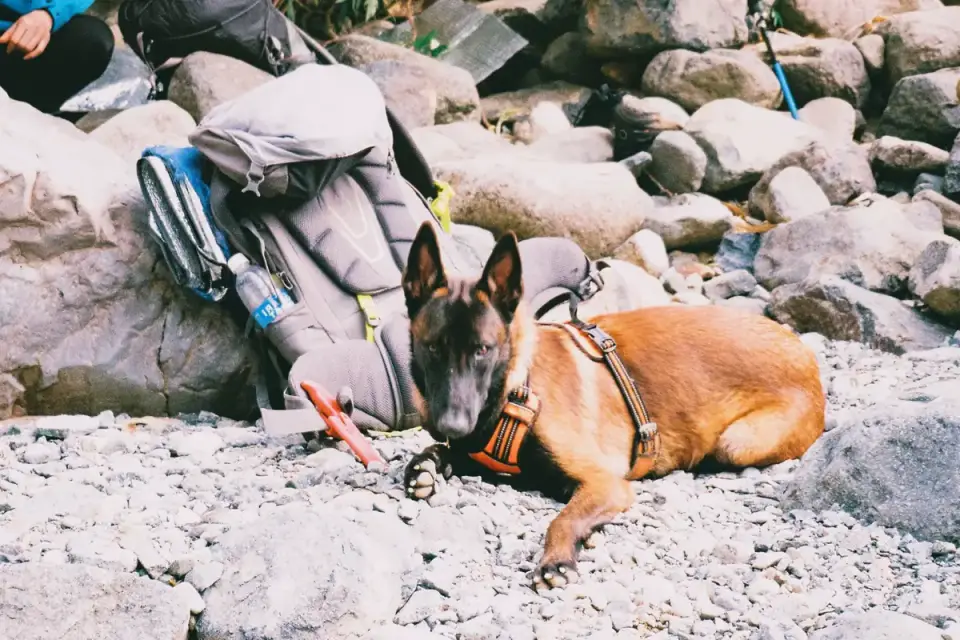
Keep swims short and structured. Throw parallel to shore rather than straight out, call out for breaks, and offer fresh water between bouts. Young, brachycephalic, and older dogs fatigue fast, and even strong swimmers can get cold or swallow too much water with endless fetch.
The failed approach I see most often involved a 7-year-old, 38-pound mixed-breed who loved to swim and an owner who packed light. They hiked about 150 yards down a rocky bank to a pretty point with no easy climb-out, brought one small bottle of water, and let him swim continuously while they talked. By the time they scrambled back up that same 150-yard slope, he was panting hard, drinking lake water in gulps, and limping slightly from a toenail snag on the rocks. We changed two things for the next trip — a beach with a walk-out entry and timed swim breaks with fresh water — and he ate dinner normally and slept soundly instead of pacing that night.
Heat is the other limiter. The American Veterinary Medical Association reminds owners that shade, water, and rest help dogs cope with warm weather, and never to leave pets in parked cars. If your dog seeks shade, lies down and will not re-engage, or pants heavily long after a break, call it a day. For more on pacing warm days, see Keeping Your Dog Cool on a Warm-Weather Camping Trip.
When the usual swim advice has to bend
Not every dog should swim, and that is normal. I worked through this with an owner of a 9-month-old terrier mix who froze at the shoreline and barked at waves. The usual advice — more throws, deeper water — would have flooded him. We bent the plan completely. We skipped swimming and did three short wades in ankle-deep water along the edge, paired with treats and a tug game on the towel between each one. On the third wade he splashed in to his chest on his own, then chose to come back to shade. The owner got a relaxed pup and a workable baseline for next time, without a forced swim.
That tradeoff is the honest part. You may drive to a beautiful lake and spend the day wading, sniffing, and resting. A skeptical friend might ask, why bother if my dog will not even swim? Because a low-pressure outing may help support confidence, behavior, and joint-friendly movement far better than one long stressful swim.
Pack the car for an easy reset. Rinse with clean water if a rinse station is available, towel dry ears and belly, and offer a small familiar meal or snack on schedule. That routine matters on travel days, and Feeding Your Dog on a Road Trip: What to Know has a useful framework if you are combining the lake with a longer drive. Plan a potty and water stop on the way home — How Often Should You Stop on a Road Trip With a Dog? and How to Keep Your Dog Hydrated on a Long Drive cover timing and hydration cues I use myself.
Your next step is practical. Pick one lake with posted water-quality updates and a shallow entry, pack fresh water plus an exit towel, and cap the first trip at two to three short swims. You will learn more about your dog in that one careful hour than in a full afternoon of guesswork.
Frequently asked questions
How do I know if lake water is safe for my dog to swim in?
Check park or state postings for algae or bacteria advisories before you go, and skip swimming if you see scum, mats, pea-soup color, or a strong odor. Choose clear water with a gradual entry and rinse your dog after swimming.
How long should a dog swim at the lake?
Keep first outings to a few short bouts of 5 to 10 minutes with fresh-water and shade breaks between. End early if panting lingers, your dog seeks shade, or recall slows.
Should my dog wear a life jacket in a lake?
Use one for puppies, seniors, small or short-legged breeds, weak swimmers, and any dog swimming in chop, current, or from a boat or paddleboard. Make sure the fit is snug with a handle you can lift.
Sources
- About Healthy Swimming — CDC
- Warm Weather Pet Safety — American Veterinary Medical Association