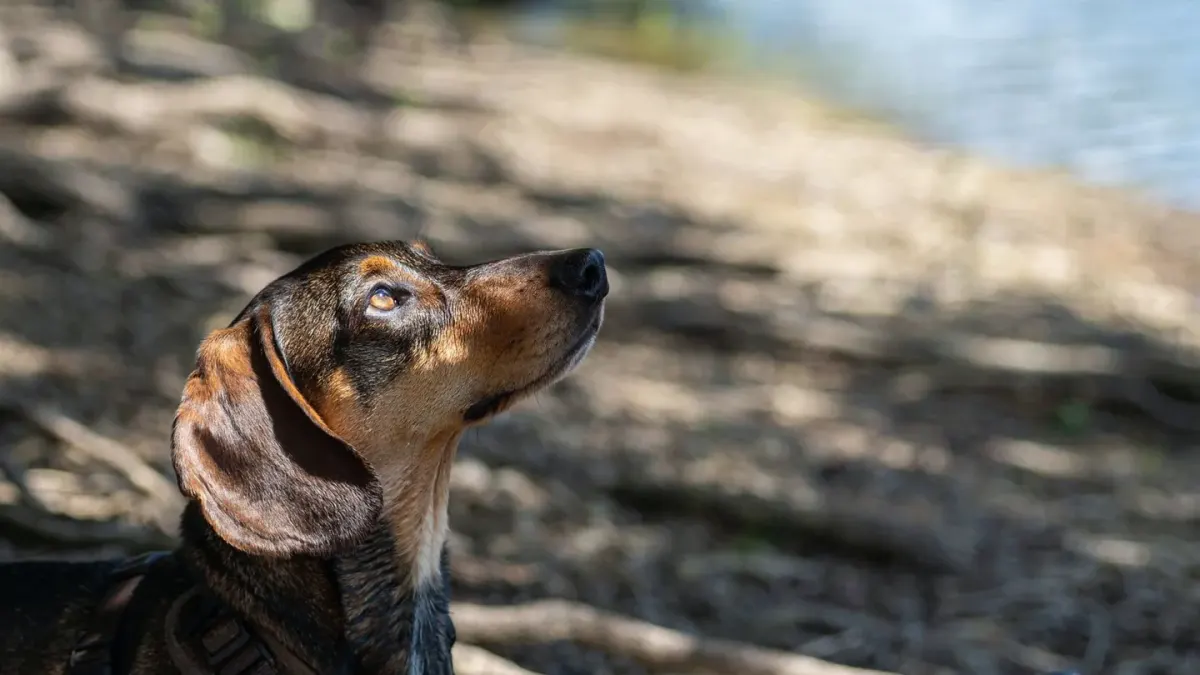
The desert looks easy until you feel that 4 p.m. heat roll off the asphalt and your dog just stops walking.
That is the limitation most owners miss. Desert travel is not about distance, it is about heat load. Dogs do not cool like we do, they rely heavily on panting and limited heat loss through paw pads, so a sunny parking lot, a hot car, and dry air can add up fast. My position is simple: prepare for heat first and mileage second. The strongest counterargument is that fit, desert-raised dogs handle it fine, and some do, but baseline risk still rises for brachycephalic breeds, seniors, puppies, and any dog with heart or airway disease.
Last spring I counseled an owner planning Phoenix to Moab with a four-year-old, 62-pound Labrador mix who panted hard on normal walks and lagged after ten minutes in afternoon sun. They wanted to push through with extra highway miles to make a sunset hike. We reframed the decision around his baseline: if he was already working that hard at home, a desert week would magnify it. They shifted the drive to early morning, booked lodging with shade and ground-floor potty access, and saved hiking for sunrise. By day three of the practice routine, his recovery after walks dropped from twenty minutes of heavy panting to under ten, and that number told us he was ready to go.
The heat trap most road-trippers underestimate
Desert air lies to you. Low humidity means panting evaporates moisture faster, and you will not always see drool or obvious distress until your dog is already overheated. Pavement, sand, and car interiors hold heat long after the air feels manageable.
This is a short paragraph that matters: if you would not stand barefoot on it, do not ask your dog to walk on it.
Myth vs. reality: dogs adapt if we just bring water
Myth says any healthy dog adapts in a day or two with plenty of water. Reality is more nuanced. Water may help support normal hydration, but it does not cancel out radiant heat, poor ventilation, or overexertion. Acclimation helps a little, fitness helps a little, and neither makes a midday desert hike safe.
The American Veterinary Medical Association notes that cars can heat to dangerous levels quickly, even on mild days, which is why prevention beats reaction. I tell clients to expect higher resting respiratory rates, shorter play bouts, and more frequent rest in the first 48 hours. That is normal adjustment, not failure.
What desert conditions actually demand from your dog
Think in systems, not supplies. Cooling, hydration, paws, nose and eyes, and behavior all shift in dry heat.
Hydration needs rise because panting and dry air increase water loss. Offer small, frequent drinks rather than one big bowl at a gas stop. The ASPCA emphasizes shade, cool water, and never leaving pets in parked cars, plus watching for heavy panting, glazed eyes, and unsteadiness as warning signs.
Paws take the beating. Sand can be 30 degrees hotter than air in full sun, and slickrock scrapes pads raw. Eyes and noses dry out too, especially in open-window driving with dust. And behavior changes: many dogs get restless in hotels, skip meals, or hold urine on strange surfaces, which complicates the whole routine.
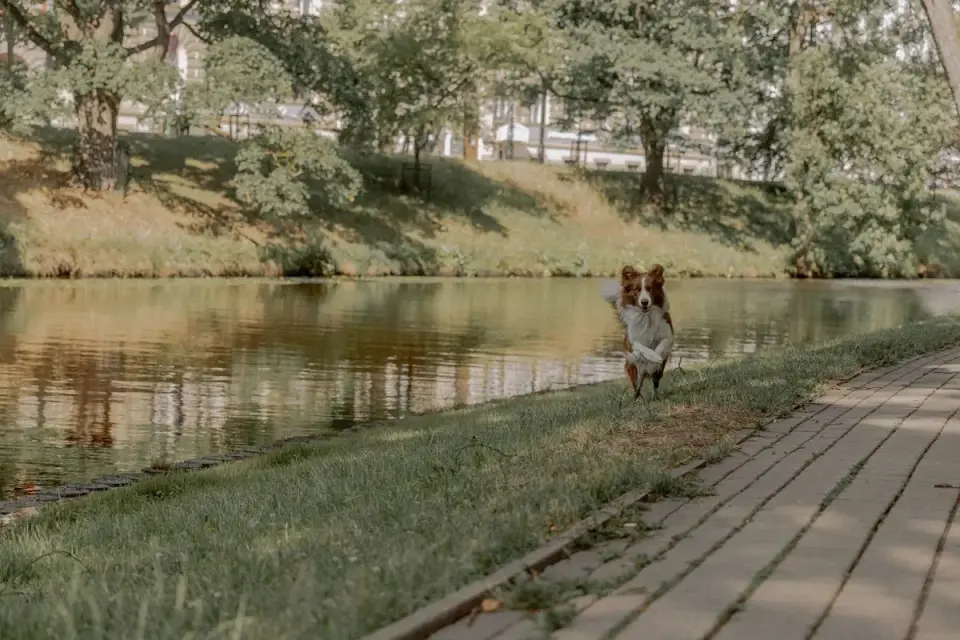
I learned the tradeoff the hard way with my own travel pattern years ago, pushing to camp outside Tucson with a six-year-old, 48-pound cattle-dog type who was fit and trail-savvy. I figured evening hiking plus a cooling vest would cover us, and I skipped the boring stuff like pad conditioning and a true car-cooling plan. By day two she was foot-sore from hot gravel, refused a midday potty walk, and paced the tent until midnight. We cut the trip short and drove home with the AC blasting and hourly water offers. That failed approach taught me what I now teach: gear does not replace timing, and timing is everything in the desert.
A practical sequence: two weeks out to wheels down
Two weeks out: vet baseline and heat rehearsal
Get a preventive baseline if your dog has not had one in the past year, especially for seniors, flat-faced breeds, or dogs on cardiac or respiratory meds. Ask what early heat stress looks like for your dog and what your turn-around plan should be. Then rehearse. Walk earlier, practice loading and settling in the car, and condition pads with short walks on varied surfaces, not forced marches on hot concrete.
Keep training low-stress. Short sessions, high reward, and a clear off-switch cue for settling on a mat may help support calmer behavior at roadside stops.
Pack for cooling, not just camping
You will use water gear more than toys. Pack more water than you think, a spill-proof travel bowl, a spare leash and collar with ID, booties your dog has actually worn, a light blanket for shade, and a rectal thermometer if your vet has shown you how to use it safely. For more on daily water rhythm, see How to Keep Your Dog Hydrated on a Long Drive and pair it with How Often Should You Stop on a Road Trip With a Dog?.
On the road: drive cool, stop smart
Run the AC before your dog loads up, crack rear ventilation without letting heads hang fully out in dust, and never leave your dog in a parked car. Plan stops every two to three hours for water, shade, and a short sniff walk on grass or dirt. For food timing and potty logistics, check Feeding Your Dog on a Road Trip: What to Know and Managing Potty Breaks on a Road Trip With Your Dog.
Watch the National Park Service guidance on heat illness for people, because your judgment fades in heat too. If you feel dizzy, headachy, or rushed, your dog is likely feeling it more.
Here is the edge case that changes plans: a nine-year-old, 18-pound terrier mix I advised on for an October desert wedding trip looked great on paper, until the owner mentioned he coughed at night and snored heavily. That history raised my concern for airway and cardiac reserve in heat and altitude. We did not cancel, we changed the application. They chose a ground-floor room near an exit, skipped the outdoor ceremony with him, hired a sitter for midday, and did only a five-minute sunrise photo. Three weeks in after returning home, the owner said that restraint was the best part, because he ate, slept, and stayed playful instead of shutting down.
You can do this trip well. You just have to let the desert set the schedule.
Frequently asked questions
What time of day is safest for desert walks with a dog?
Early morning before 9 a.m. is usually coolest, with late evening second. Check ground with your hand for seven seconds and stick to shade, grass, or packed dirt.
How much extra water should I bring for my dog in the desert?
Bring at least 50% more than you use at home, plus a vehicle reserve. Offer small amounts every stop and watch for heavy panting, dry gums, or low energy.
Are booties necessary for a desert road trip?
They are not required for every dog, but they help on hot sand, gravel, and slickrock. Break them in for one to two weeks before the trip so your dog walks normally.
Sources
- Warm-Weather Pet Safety — American Veterinary Medical Association
- Hot Weather Safety Tips — ASPCA