On this page
Most ski trips do not fall apart on the slopes. They fall apart in the parking lot, the rental, and the long middle of the day when your dog is cold, bored, and waiting for you to come back inside.
I counsel clients to decide one thing first: your dog is coming for a winter cabin weekend with you, not for skiing itself. Dogs do not ride lifts or wait at 10 degrees while you lap runs. When you set that baseline expectation, the rest of the preparation gets much easier and safer.
Last February I talked through this with an owner of a 4-year-old, 62-pound Lab mix headed to a cabin near Telluride for three nights. He was fit, friendly, and had never seen sustained snow. The owner assumed long morning hikes plus afternoons in the rental while they skied would work. We mapped it out instead: short midday outings with the non-skiing partner, a warm crate setup away from drafts, frozen Kongs and chews for alone time, and a test run of boots and coat two weeks before departure. By day 2 of the actual trip, the owner reported he was settling in his crate without whining, which told us the pre-trip practice had paid off and the plan matched his behavior needs.
The ski-weekend myth that gets dogs in trouble
The myth is that a thick coat equals winter-ready. The reality is that wind, wet snow, altitude, and inactivity chill most dogs faster than owners expect.
Even northern breeds can get cold paws, cracked pads, and hypothermia when they are damp and still. Short-coated, very young, senior, and small dogs lose heat especially fast. The American Veterinary Medical Association notes that cold tolerance varies by coat, size, age, and health, and recommends watching for shivering, slowing down, and seeking shelter as early signs to go inside.
Altitude adds another layer. Dogs do not acclimate on your timeline.
Paws, coat, and cold: what actually needs conditioning
Start two to three weeks out. This is preventive work that may help support normal paw resilience and comfort in cold conditions, not a last-minute fix.
Fit boots indoors first for 2-3 minutes with treats, then short outdoor walks. Trim paw fur to reduce ice balls, keep nails short so boots fit, and rinse paws after walks where de-icers are used. A thin fleece or insulated coat helps short-coated dogs retain body heat on windy trailhead walks. The ASPCA advises wiping paws after winter walks to remove salt and chemicals and checking for cracks or redness.
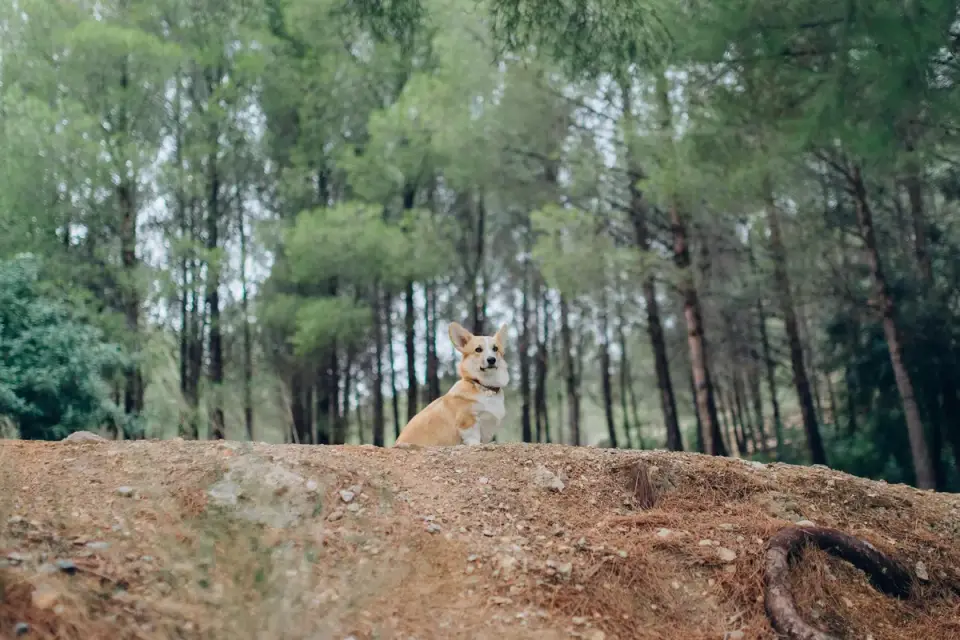
I learned this tradeoff the hard way with my own travel routine years ago. I skipped boots for a 6-year-old, 38-pound spaniel-type dog on a packed-snow trail because she hated them indoors. Three weeks in to our boot training — which really meant three half-hearted tries — I called it good enough. On our first 25-minute loop she started high-stepping by minute 15, then sat down and lifted both front paws. We had to carry her back while she shivered. The failed approach was mine: I trained for tolerance, not for movement. Short indoor parties with treats do not translate to wet, cold, uneven snow without gradual outdoor reps.
Keep it simple and consistent.
Your practical ski-weekend sequence
Book dog-friendly first, ski second. Confirm the lodging allows dogs unattended, ask about crate rules, stairs, and off-leash areas, and save the vet number and nearest emergency clinic in your phone.
Pack for the dog you have in winter, not summer. Food plus 20% extra, medications, collapsible bowls, leash and long line, ID tags and microchip info, crate with familiar bedding, coat, boots and spare socks, towels, paw balm, poop bags, enrichment toys, and any calming routine your dog already knows. If your ID tags need an update, review how to prepare ID tags and records before you travel before you leave.
Plan the day around warmth and company. Most dogs do best with a morning walk before you leave, a midday check-in every 3-4 hours, and an evening outing. Never leave a dog in a cold car or tied outside a lodge. If no one can return midday, book a local sitter or daycare instead of stretching alone time.
That last point matters more at ski rentals with shared walls. A bored dog barks.
An edge case I see every winter involves senior dogs at altitude. An owner once asked about bringing a 11-year-old, 54-pound Shepherd mix with early arthritis to a cabin at 9,200 feet for a long weekend. The dog was happy at home but panted heavily on stairs and slipped on hardwood. We talked about what altitude plus dry air, slippery rental floors, and cold joints would mean: more panting at rest, stiffer mornings, and higher fall risk. They still went, but changed the plan — ground-floor rental, rugs and a ramp, shorter potty loops instead of trail hikes, and a check-in with their primary vet before travel. By day 3 the owner said the shorter loops were the right call because his morning stiffness eased faster with gentle movement than with one long outing.
For the drive itself, set up safe confinement before snow roads add stress. If you are debating setups, see whether dog car hammocks are worth it and keep expectations realistic about comfort versus crash protection.
Where I land, and what I would not skip
If you only do three things, do these: practice boots, coat, and crate time at home, arrange midday company, and keep outdoor time short and dry.
The strongest counterargument is that this sounds overcautious for a big, furry dog. Fair. Some Huskies will happily nap in snow while you zip cocoa. But most pet dogs on a ski weekend are dealing with a new place, broken routine, and long alone stretches. A preventive plan may help support calmer behavior and more comfortable rest.
You are not trying to make your dog love winter in one trip.
Frequently asked questions
Can my dog stay in the rental while we ski?
Yes for short stretches if the rental allows it and your dog is crate-trained and quiet, but plan a midday break every 3-4 hours. Bring familiar bedding, enrichment, and keep the crate away from drafts and heaters.
Does my dog need boots and a coat?
Many dogs benefit from them in snow, wind, and de-icer areas. Practice 2-3 weeks ahead with short, positive sessions indoors then outdoors, and watch for lifting paws, shivering, or slowing down.
Is altitude a problem for dogs?
Some dogs pant more, tire faster, or drink more water at altitude. Keep exercise easy the first day, offer water often, and check with your vet before travel if your dog is senior or has heart or breathing issues.
Sources
- Cold Weather Animal Safety — American Veterinary Medical Association
- Cold Weather Safety Tips — ASPCA