On this page
Daniel packed for two nights with Finch, his 8-year-old spayed female Vizsla from Syracuse, New York, and left the half-open kibble bag by the picnic table while they walked to fill water. When they returned 10 minutes later, the bag was tipped, kibble scattered, and a jay was shouting over the mess. Expectation first, the way I counsel clients: if you can smell the food, a raccoon, mouse, or bear can smell it much better.
That gap between what feels tidy to us and what counts as secured to wildlife is the whole challenge.
Your Nose Is Not the Safety Test
Most campsites do not have a dog-food problem so much as a scent problem. Kibble, wet food, training treats, dental chews, and even the greasy film on a bowl all read as calories after dark.
Vets often see the fallout in summer: dogs with vomiting or diarrhea after raiding spilled food, or dogs that bolt toward a raccoon at 2 a.m. Prevention here is low-stress handling for everyone — you, your dog, and the animals you never meant to invite.
Why kibble is a wildlife magnet
Dry food is oily, dusty, and aromatic. The bag itself holds odor even when rolled shut, and crumbs collect in car seats, tent corners, and jacket pockets. Wet food and raw-coated diets are stronger attractants, but no dog food is scent-free outdoors.
The National Park Service explains that bears have an exceptional sense of smell and will investigate food, trash, toiletries, and anything with food odor, which is why parks require scented items to be stored in hard-sided vehicles or provided lockers rather than tents.
Sealed Bags Are Not Wildlife-Proof
This is the myth to retire: clipped, rolled, or zipped does not mean secured.
A rolled kibble bag slows spillage. It does not block odor, stop a mouse from chewing through, or satisfy a campground food-storage order. The same goes for plastic grocery bags, thin treat pouches, and open bowls left “just for a minute.”
What actually helps support a calm, low-attraction campsite is a layered baseline:
- An airtight, hard-sided container for the bulk food
- Single-meal portions so the main supply stays closed
- A clean bowl routine with no grazing between meals
- A night plan that matches local rules
The U.S. Forest Service advises campers in bear country to store food and scented items in bear-resistant containers or hard-sided vehicles and to keep sleeping areas free of food odors. Your dog’s dinner belongs under that same rule.
Pack, Feed, and Close Up in That Order
Think of food storage as a timeline, not a single container.
Before you leave home
Pre-portion meals in small, airtight bags or jars, then place those inside one hard-sided bin with a locking lid. Bring only what you need plus one extra meal. That limits odor, weight, and the temptation to leave a large bag open.
Add a kit: measuring scoop, collapsible bowl with a lid, unscented bowl soap, a small towel, a trash bag for crumbs, and spare treat pouches that actually reseal. If you travel with lots of gear, the same containment habit that makes a setup like dog car hammocks worth using applies here — keep crumbs contained and cleanup easy.
The U.S. Food and Drug Administration recommends storing dry pet food in a cool, dry place in its original bag inside a clean, airtight container and washing bowls and scoops regularly, a routine that may help support safer handling at camp as well as at home.
At mealtime
Feed away from your tent and away from brush or water edges where animals travel. Pour, reseal immediately, and stay with your dog while they eat.
Lift the bowl when they finish. Wipe the muzzle area if your dog is a messy eater, rinse the bowl, dry it, and store it with the food rather than leaving it on the ground. Pick up every dropped piece. Finch’s owner learned to feed, count to 15 minutes, then lift — no grazing.
After dark
This is where trips succeed or fail.
Close the bulk bin, latch it, and move it to the approved night spot: a vehicle trunk or cab, a campground-provided food locker, or a hung bear bag or canister where required. Clean the table, check under chairs for treats, shake out the ground cloth, and bag trash. Keep the tent food-free, including training treats in pockets.
Never store dog food in your tent, and never leave food in an open truck bed or soft-sided crate overnight.
Your dog sleeps better without midnight visitors.
When the Usual Routine Has to Bend
Bears change everything. In active bear country, follow posted orders exactly, use canisters or lockers when provided, cook and eat away from sleeping areas, and ask rangers about dog-food specifics at check-in. If lockers are small, repackage into flatter containers rather than leaving overflow in the car seat.
Raccoons and mice are more common and more persistent. They chew through bags, unzip packs, and learn cooler latches quickly. A hard-sided bin inside a locked vehicle solves most of it.
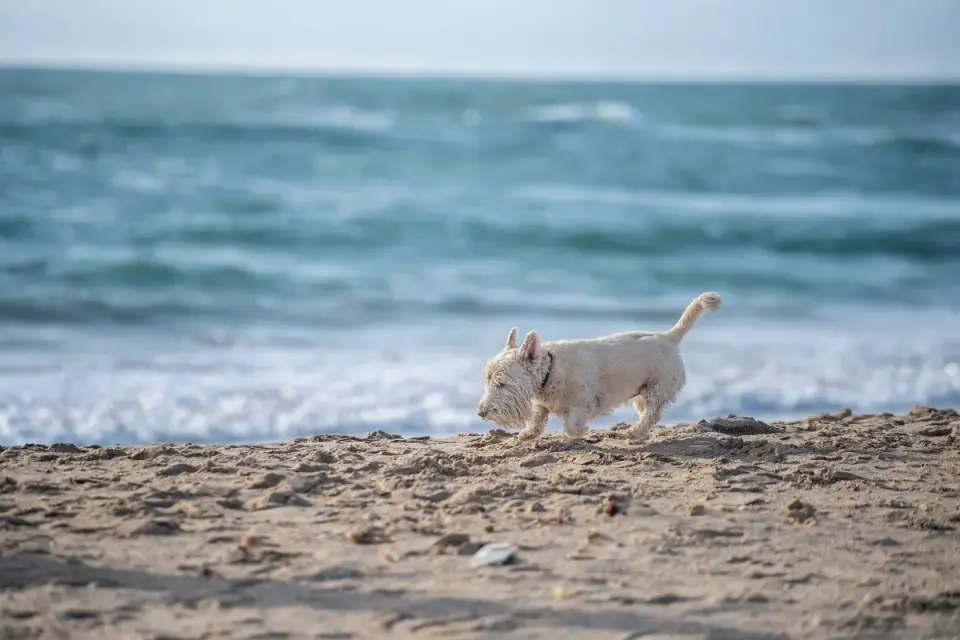
Wet food needs extra care. Serve only what your dog will finish, seal cans in a separate odor bag, and pack out empties. Do not bury leftovers or pour broth on the ground. The same leave-no-trace manners that keep beach trips with your dog pleasant apply in the woods: pack it in, pack it out, and leave the site cleaner than you found it.
What is my evidence-bounded recommendation? Pre-portion plus hard-sided, locked storage every night, with no grazing. The best reason to choose differently is convenience — one big bag is simpler to pack. I still land on portions because every opening of the big bag refreshes the scent plume, while a small daily bag keeps the main supply sealed and may help support steadier feeding and digestion on a travel schedule.
Planning another leg with Patrick and 9-year-old Zazie, the Labrador Retriever mix from Syracuse? Test the system at home for two dinners: portion, feed, wash, latch. If you can do it tired in your kitchen, you can do it tired at a picnic table.
What would change if you treated every crumb as a signal?
Frequently asked questions
Can I leave dry dog food out overnight at my campsite?
No. Seal it in an airtight, hard-sided container and move it to a vehicle, locker, or bear-resistant container. Open bags and bowls attract mice, raccoons, and larger wildlife.
Is a tent okay for storing dog food?
No. Keep food, treats, bowls with residue, and trash out of tents. Use approved lockers, hard-sided vehicles, or bear canisters where required.
How should I handle wet dog food while camping?
Serve single portions, seal and pack out cans and leftovers, and clean bowls right after eating. Do not bury or scatter leftovers.
Sources
- Be Bear Aware — U.S. Forest Service
- Tips for Safe Handling of Pet Food and Treats — U.S. Food and Drug Administration