On this page
The checklist first — what actually goes in the bag
Here’s the list I hand clients before a trip, in the order I’d pack it:
- Health certificate / CVI if you’re crossing state lines or flying (many states require one; car trips generally don’t, but I still bring vaccine records)
- Rabies certificate and vaccine records, plus any titer paperwork if you’re leaving the country
- Microchip confirmation with current contact info
- Secure restraint: crash-tested harness, carrier, or vehicle barrier — not a loose dog in the back seat
- Leash, spare leash, and a well-fitted collar or harness with an ID tag
- Food for the full trip plus a few extra days, in its original container if possible
- Water and a collapsible bowl — new water sources can upset a sensitive stomach
- Any daily medications, packed with a few days’ buffer in case of delays
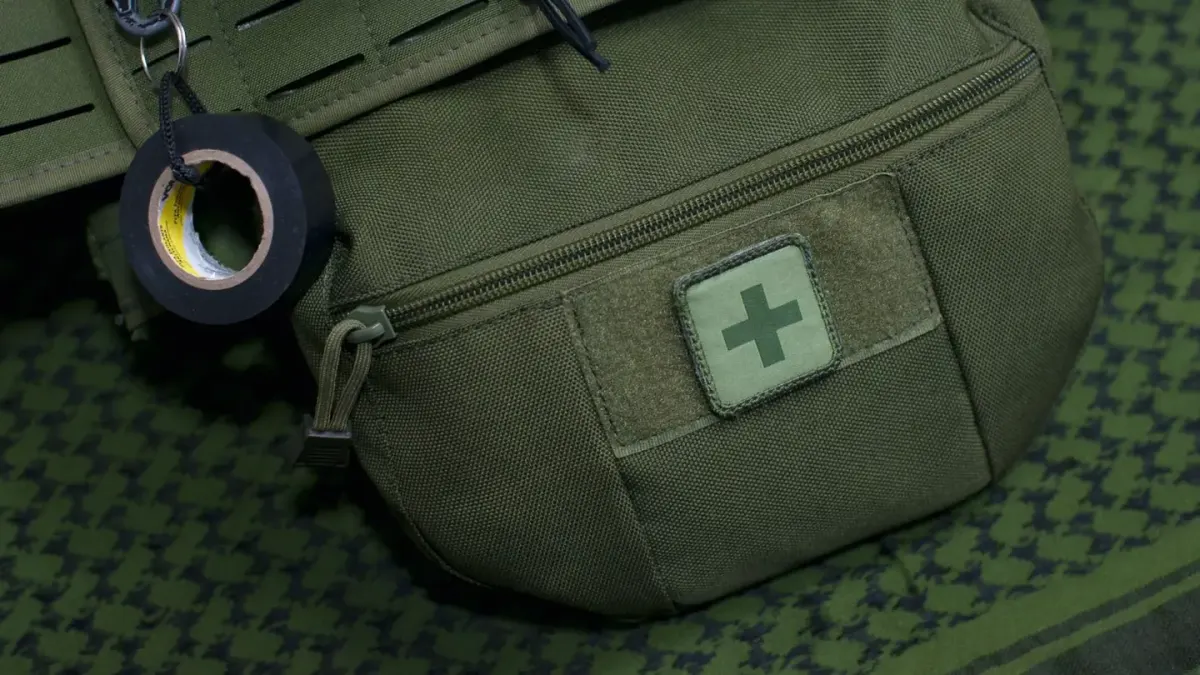
- A basic pet first aid kit
- Bedding or a worn t-shirt that smells like home
- Waste bags and a way to clean up accidents in the car or hotel
I’ll expand on the ones that actually cause problems below — because in my experience, it’s never the toys people forget.
The paperwork trips up more owners than the leash does
I’ve had more clients call me from a rest stop about a health certificate than about a lost leash. It’s a strange thing to see in twenty years of practice, but it’s consistent: people spend real money on a nice harness and then show up at check-in with vaccine records that are eight months out of date.
A certificate of veterinary inspection (CVI), sometimes called a health certificate, is issued by an accredited veterinarian confirming your dog was examined and found free of infectious disease and fit to travel. According to the American Veterinary Medical Association, many states require a current CVI for interstate travel, though a car trip within your own state generally doesn’t need one — I still recommend carrying vaccine records regardless, because gate agents and campground staff ask more often than you’d expect. International travel is stricter: the certificate typically needs to be signed by a federally accredited vet and, for many destinations, endorsed by USDA.
If your dog has been in a rabies high-risk country in the past six months, the paperwork gets more involved. Per the CDC, dogs entering or re-entering the U.S. now need a CDC Dog Import Form receipt, and dogs coming from or through high-risk countries need additional rabies vaccination certification completed by an accredited vet — sometimes with a waiting period built in. This isn’t a same-day errand. Start it weeks out, not the night before.
The sequence I walk clients through before a trip
This is the order I actually recommend, not the order most packing lists present:
- Book the vet visit first, three to four weeks out if you need a health certificate or are crossing an international border with rabies titer requirements.
- Confirm restraint gear fits and is actually secure — not just present in the trunk.
- Pack medications with buffer days, because delayed flights and closed roads happen.
- Assemble the first aid kit last, once you know your route (a kit for a week in the mountains looks different from one for a weekend at a lake house).
- Do a short practice drive in the days before if your dog hasn’t traveled much recently.
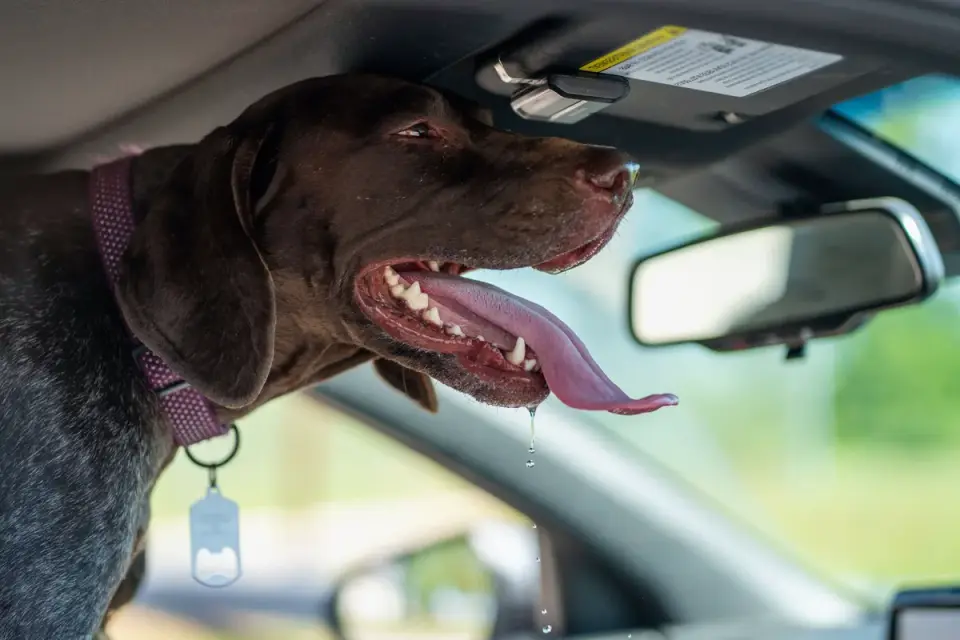
One of the dogs I worked with, a nine-year-old Labrador named Duke, had never traveled more than twenty minutes from home before his family planned a two-day drive to a lake house. His owners packed toys, a new bed, and treats, but nothing for motion sickness — and Duke started drooling and pacing about forty minutes into the drive, then vomited at the first rest stop. We’d talked about it at his annual exam a month earlier, and I’d suggested a light meal the morning of travel and short acclimation drives beforehand, but life got busy and it didn’t happen. By the second day, after two short practice drives at a gas station parking lot and a lighter breakfast, he settled enough to sleep through most of the final leg. It wasn’t dramatic, but it illustrated something I see constantly: the dogs who struggle most are usually the ones who went from zero car time to eight hours overnight.
Comfort and first aid — the part that actually gets used
Motion sickness is common enough that it deserves its own line on the list, not a footnote. Per VCA Animal Hospitals, motion sickness in dogs is more common in young puppies, partly because the ear structures involved in balance aren’t fully developed, and dogs often outgrow it — but anxiety can also trigger similar symptoms in adult dogs even without true motion sickness. Withholding a large meal for a few hours before travel and building up gradually with short trips can help support a calmer ride; if vomiting or drooling is severe, that’s a conversation for your own vet, not a packing-list fix.
For the first aid kit, keep it practical rather than exhaustive. Gauze, adhesive tape, a digital thermometer, tweezers for splinters or ticks, an antiseptic wipe, and your vet’s phone number (plus a nearby emergency clinic if you’re going somewhere remote) cover most real situations. The AAHA: American Animal Hospital Association recommends building a travel kit around food, water, bowls, medication, leash, waste bags, grooming supplies, bedding, and a familiar toy or comfort item, alongside a first aid kit tailored to your pet’s needs — and I’d add that a worn t-shirt with your scent on it does more for an anxious dog in a new hotel room than almost any toy.
If you’re just starting to plan a trip and want the full prep sequence beyond the packing list itself, our Getting Started With Dog Travel guide walks through booking, timing, and the earlier decisions this list assumes you’ve already made.
Where I land, and the trade-off I won’t pretend away
Here’s my honest recommendation: pack for the paperwork and the restraint first, and treat comfort items as the last 20% of the list, not the first. The counterargument I hear a lot is that dogs are adaptable and a few missing items won’t ruin a trip — and that’s often true for a calm, well-traveled dog. But the dogs I see come back stressed, sick, or genuinely at risk are almost always the ones missing documentation, secure restraint, or medication buffer, not the ones without a favorite squeaky toy.
That said, I’ll acknowledge the limit of my own lane here: I can tell you what tends to go wrong medically and behaviorally, but I’m not a travel agent, and destination-specific entry rules change often enough that you should verify current requirements directly with the airline, state, or country before you go. A vet visit close to departure is the one step I won’t let clients skip, because it catches the paperwork problems and the health issues in the same appointment.
Packing for a dog is really just packing for the version of the trip that doesn’t go perfectly — the delayed flight, the closed rest stop, the unexpected overnight. Build the list around that trip, and the easy version takes care of itself.
Frequently asked questions
Do I need a health certificate for a road trip within my own state?
Generally no, but requirements vary by state and situation, so I still recommend carrying current vaccine records in case a campground, boarding facility, or event asks for them.
How early should I start paperwork for international travel with my dog?
Weeks, not days. Rabies titer requirements and accredited-vet sign-offs can take time, and some countries require a waiting period after vaccination before travel is approved.
What's the single item owners forget most often?
Buffer days on medication. Trips run long more often than they run short, and I'd rather a client pack five extra days of medication than run out on the road.
Sources
- Traveling with your animal — American Veterinary Medical Association
- Bringing a Dog into the U.S. | Importation — CDC
- Traveling safely with your pet: The ultimate guide — AAHA
- Motion Sickness in Dogs — VCA Animal Hospitals