On this page
Six checks, in this order: heel-to-nail length measured while your dog is standing and weight-bearing, a breathable fabric that isn’t rubber-backed on the inside, a closure that sits above the dewclaw without cinching a tendon, a liner thin enough that the outer boot still seals, a sole with actual tread rather than smooth coated fabric, and a plan for drying it between uses. Skip any one of those and mud stops being the problem — moisture trapped against the skin becomes the problem.
The checklist I hand every client before they buy
I keep this short on purpose, because the failure mode with liners is almost always one of these six things, not something exotic.
- Measure standing, not sitting. A paw splays under weight. Sit-measurements run small and the liner will bunch.
- Check the lining fabric with your fingers. If it feels slick or plasticky, moisture won’t wick — it’ll pool.
- Find where the closure sits. It should land above the dewclaw, snug but not tight enough to leave a mark after ten minutes.
- Confirm liner-plus-boot still fits. A liner that’s too thick pushes the outer boot’s seal open at the ankle, and that’s exactly where trail water gets in.
- Look at the sole pattern, not just the upper. Smooth fabric soles slide on wet rock and boardwalk.
- Ask how it dries. If the answer is “overnight by the fire,” that’s a problem for a multi-day trip.
Each of those deserves more than a bullet point, so here’s why they matter and where owners usually go wrong.
The fit test most owners skip
Length is easy to get right; width and standing posture are where mistakes happen. According to American Kennel Club guidance on choosing dog boots and shoes, fit should be checked with the dog bearing weight, and owners should watch for slipping or bunching once the boot is on and the dog is moving, not just standing still. A liner adds a layer between paw and boot, which means a boot that fit perfectly bare now needs to be rechecked with the liner in place. I’ve seen owners buy the liner as an afterthought and then wonder why the boot that fit fine in August suddenly rubs in October.
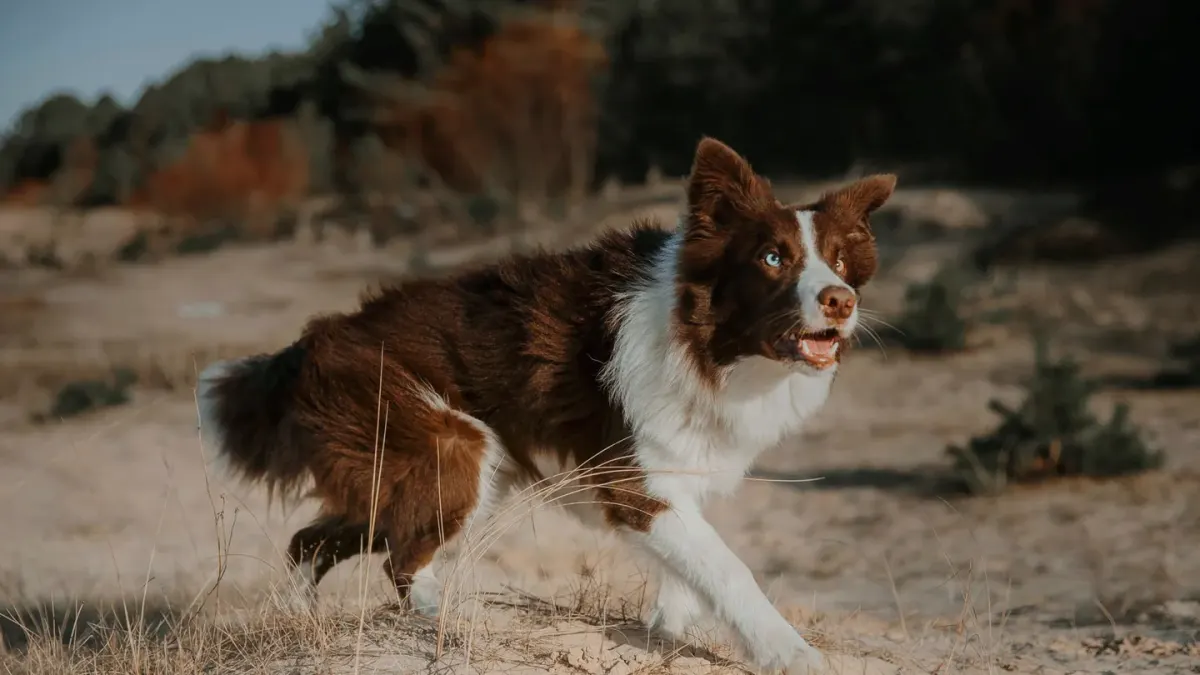
A 34-pound border collie mix, four years old, three weeks into a fall camping trip through wet trailhead mud, is a good illustration of why this order matters. Her owner had sized the boots correctly back in summer, but added fleece liners for the colder mornings without rechecking fit. By day nine, the extra bulk had pushed her back-left boot’s cuff open just enough that trail water was getting past the seal on every stream crossing.
Myth vs. reality: what a liner actually prevents
The myth is that a liner is mostly for warmth, and mud is a separate problem the boot alone handles. The reality is closer to the opposite on wet trails: the liner’s real job is often moisture management, not insulation, and a liner that doesn’t breathe can make mud exposure worse rather than better. VCA Animal Hospitals notes that the webbing between a dog’s toes is prone to moisture buildup and maceration, and that trapped moisture in that space is linked to bacterial and fungal skin problems. A liner sealed inside a boot for hours, wet from mud and sweat, recreates that exact condition — just with fabric holding the moisture against the skin instead of releasing it.
That’s the trade-off nobody puts on the packaging: a snugger, warmer liner and a breathable, quick-drying liner pull in opposite directions, and a muddy multi-day trip usually rewards the second one.
Where the liner fails: a tradeoff that complicates the pick
Here’s the approach I’ve watched backfire more than once. An owner buys a thicker, cushioned liner for a young, active dog headed on a five-day wet-weather backpacking trip, reasoning that more padding means more protection from sharp trail debris hidden in the mud. It works for the first two days. By day four, the liner hasn’t fully dried overnight, the dog’s paw has been in damp fabric for roughly ten hours a day, and the owner notices redness and a faint odor between two toes on the front-right foot — early signs consistent with the moisture-related skin problems described above. The padding did its job against debris; it just did that job at the cost of airflow, and on a trip without a reliable way to dry gear each night, that cost mattered more.
The lesson isn’t “avoid cushioned liners.” It’s that the right liner depends on how many consecutive wet days you’re planning for and whether you can actually dry gear between them — a question worth answering before you pack, alongside the basics covered in our guide to what to actually check before a camping trip with your dog.
The sequence I recommend for muddy-season trips
- Measure paws standing, on the trip’s actual terrain if possible (grass and pavement measure differently than a soft trail).
- Buy liner and boot together, or size the boot up slightly if you know a liner is coming.
- Do a full weight-bearing test walk with both on, at least fifteen minutes, watching gait for any hitch or favoring.
- Pack a dry backup liner for every wet day past the second — this is the step almost everyone skips.
- Wipe and fully dry paws before re-lacing, especially between the toes.
- Check skin daily on multi-day trips: redness, odor, or licking at one spot are early flags, not a wait-and-see situation.
If you’re traveling by air to reach a muddy-season destination, sort out documentation early — airline pet policies and ID tags and travel records are worth confirming well before you’re standing at a trailhead sorting through boot liners.
The edge case that changes how I’d apply this
Age changes the calculus more than most owners expect. An 11-year-old Labrador with mild arthritis in both hips doesn’t need a thicker liner for warmth so much as a liner and boot combination that doesn’t alter her gait at all — even a small amount of bunching that a younger dog would shrug off can shift how she bears weight and aggravate a joint that’s already compensating. On a five-day trip with daily rain, her owner switched from a padded liner to the thinnest breathable option that still fit securely, checked her gait each morning, and watched for any change in how she rose from lying down. That’s a different priority than the padding-first instinct that makes sense for a younger, sturdier dog on the same trail.
Where I land
My honest recommendation: prioritize a breathable, quick-drying liner over a thick, cushioned one for any trip longer than two wet days, and re-check fit with the liner in place rather than assuming the bare-paw sizing still holds. The counterargument is real — a thin liner offers less cushioning against sharp debris hidden in mud, and on a short day hike over rocky terrain, a cushioned liner is the better call. But most muddy-dog trips aren’t a single afternoon; they’re multi-day, and moisture management wins out over padding once you’re past day two. According to Dogster’s vet-reviewed overview of dog boots, proper fit and material choice matter as much as whether a dog wears boots at all, and that’s the piece a liner either supports or undermines. Structure and function language is doing real work here — I’m describing what may help support healthy paw skin on a wet trip, not promising a guaranteed outcome, and any dog with existing paw irritation should be seen by a vet before a multi-day trip, not after.
Sources
- Choosing the Right Dog Boots or Shoes for Your Dog — American Kennel Club
- Interdigital Cysts in Dogs — VCA Animal Hospitals
- Dog Boots: Vet-Verified Pros & Cons — Dogster