On this page
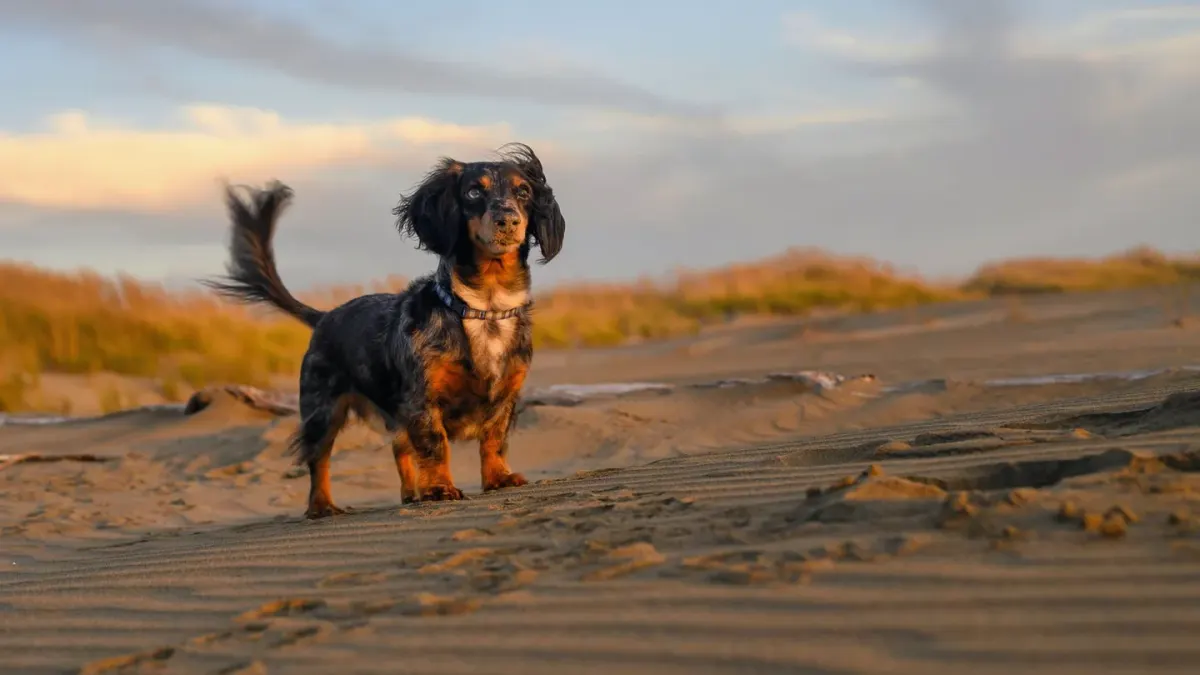
Expect a desert road trip with a dog to revolve around heat, timing, and surfaces more than mileage. Pavement burns paws, water disappears fast, and many trails restrict dogs. Plan around that reality and the trip stays fun.
A client planning a July drive from Flagstaff to Tucson asked if her dog could just ride along and hike at midday stops. Her dog was a 5-year-old, 68-pound Labrador mix with a thick black coat who panted hard in the clinic lobby. We mapped the route around heat instead of miles. She shifted departures to 5 a.m., booked a motel with shaded grass, and canceled the midday canyon walk. At 68 pounds, his recovery after 10 minutes in shade with water became our baseline check. If panting stayed rapid and his gums looked tacky, the plan was simple: cool the car, offer water, and wait.
Your itinerary is a heat-management plan
What changes first in the desert? Your clock. Drive early, rest midday, walk late. Check pavement with the back of your hand for seven seconds. If you pull away, choose grass or dirt or wait. Park only in shade with ventilation, and never leave a dog in a closed vehicle. The American Veterinary Medical Association guidance on warm-weather safety outlines why enclosed cars heat so quickly and why shade and water matter for normal thermoregulation.
Heat sets the speed limit.
Pack for that plan. Carry more water than you think, plus a collapsible bowl, a shade cloth, a cooling mat, booties already broken in at home, saline eye rinse, tweezers for cactus spines, and a thermometer. For pacing stops, review how often to stop and set a timer so breaks stay consistent. For drinking strategy, use how to keep your dog hydrated on a long drive.
The dry-heat myth that gets dogs in trouble
Is dry heat easier on dogs? No. Dogs cool mainly by panting and limited sweating through paws, and hot, dry air dehydrates them quickly. Heavy panting, thick drool, brick-red gums, vomiting, stumbling, or collapse signal an emergency. Cool with air conditioning, offer small sips, wet the belly and paw pads, and drive to a veterinarian. Heatstroke case data summarized by the National Library of Medicine shows how rapidly exertional heat illness can progress in dogs and why early cooling and veterinary care matter.
Another driver tried to power through with gear alone. He had a 3-year-old, 42-pound cattle-dog mix and a new set of booties for a noon stop outside Moab. The dog had never worn them at home. On hot slickrock the dog froze, chewed a strap, then lay down in the only strip of shade by the trailhead sign. By day 2 of that same pattern, the owner noticed the dog lagging 20 minutes into even short evening walks and licking front pads. At 42 pounds, that reluctance to keep walking after 20 minutes was the signal to stop testing. They moved walks to dawn, practiced booties on cool kitchen tile, and drove the scenic miles with the air on.
A desert drive-day that actually works
How should a desert day flow? Follow this order.
Walk at dawn. Keep it short, sniffy, and on dirt where allowed. Check pads afterward for redness or limping. Feed a light breakfast, offer water, and allow a potty break before loading up. For bathroom logistics on busy highways, follow managing potty breaks.
Drive during peak heat. Run the air, crack rear ventilation safely, and offer water at every fuel stop. Watch for restlessness, whining, or panting that does not settle. Those behavior shifts are your cue to adjust airflow, shade, or timing. A frozen water bottle wrapped in a towel may help support comfort in a crate without soaking bedding.
Stop smart. Choose shaded pullouts, grassy rest areas, or pet-friendly patios. Skip most national park trails with a dog. The National Park Service explains where dogs can and cannot go in parks, which helps you plan boarding, overlooks, and nearby dog-friendly lands instead of improvising at the trailhead.
Walk again near sunset. Test the ground, keep leash skills tight around cactus, snakes, and wildlife, and bring a headlamp. Rinse paws after sandy walks and check between toes.
My take after desert miles with patients’ dogs
What would I choose if it were my dog? Drive the desert, but hike somewhere else. Use the desert for sunrise stretches, scenic overlooks, and air-conditioned miles. Save long hikes for higher elevation or cooler seasons. The counterargument is fair: some dogs live in the desert and handle it well. Acclimation, light coats, lean condition, and training help. I still land on caution for visitors because dehydration and paw burns develop faster than most owners expect, and emergency care can be an hour away.
Desert nights surprised a family traveling with an 11-year-old, 14-pound senior terrier mix in October. Days hit 88 degrees, nights dropped near 42, and the little dog shivered in the tent despite a fleece. On a cold morning potty walk on gravel, the dog stepped on a cholla fragment and held up a front paw, trembling. At 14 pounds, non-weight-bearing on that paw after 5 minutes of checking changed the morning. They carried a spare towel and tweezers, lifted the dog to the truck bed, and waited for daylight to inspect the paw fully. The lesson stuck: plan for cactus and cold, not only heat.
Set expectations first, keep the baseline calm, and let the desert tell you when to go.
Frequently asked questions
Can dogs hike in the desert in summer?
Keep summer hikes very short, at dawn, on cooler surfaces, with water and shade. Most visiting dogs do better with scenic drives and brief walks than midday hikes.
How do I tell if pavement is too hot?
Press the back of your hand to the surface for seven seconds. If it feels too hot to hold, walk elsewhere or wait for cooler hours.
Are national parks dog-friendly?
Many restrict dogs on trails and in backcountry for safety and wildlife protection. Check park rules in advance and plan overlooks, campgrounds, or nearby dog-friendly lands.
Sources
- Warm Weather Pet Safety — American Veterinary Medical Association
- Pets — National Park Service
- Heatstroke in dogs: A retrospective study of 54 cases — National Library of Medicine