On this page
Most ski resorts welcome your money, not your dog on the slopes. That is the limitation to plan around, and once you accept it, the weekend gets much easier.
I counsel owners to expect a split-trip rhythm: you ski in blocks, your dog rests in a warm home base, and you reunite for snowy walks and early nights. A couple drove up with their 4-year-old, 62-pound Lab mix for his first mountain weekend, debating whether he could wait in the truck while they took “just one run.” We reframed the decision around baseline behavior and low-stress handling instead. They booked a ski-in, dog-friendly condo over a cheaper hotel farther out, packed his crate and chew routine, and split lift time so one person was always on dog duty. By day 2 he was napping through midday, and they skied more because no one was worrying.
Dogs generally do not ride lifts, wait tied outside lodges, or hang in daycare-free base areas. Plan for that reality first.
The lift-line myth versus the lodge-dog reality
The myth is that a ski weekend means adventuring side by side all day. The reality is that patrol zones, moving equipment, de-icing salts, and extreme windchill make slopes unsafe for pets, and most resorts prohibit dogs beyond the parking lot.
That does not ruin the trip. It changes the shape of it into shorter ski windows, midday dog breaks, and village trails instead of summit photos. For cold-weather planning, the AVMA outlines basics on shelter, paw care, and limiting exposure during freezes, which may help support normal cold tolerance when you keep outings brief and dry.
Expect barking in thin-walled condos, wet paws on rental floors, and a tired dog who wants dinner at 5 p.m.
Friday to Sunday: a sequence that actually works
Drive with a rest stop every two to three hours for water, a relief break, and a short sniff walk. Keep the car cool and ventilated, never leave your dog alone in it in winter cold any more than in summer heat, and review carrier and car setup tips like Are Dog Car Hammocks Worth It? before you load up.
Book lodging you can return to midday. A condo with a kitchen, crate space, and quick trail access beats a slopeside hotel with no pet relief area. Check fees and rules in advance with help from Hotel Pet Fees: What to Expect and How to Budget.
On arrival, walk the neighborhood loop first. Let your dog sniff, potty, and learn the stairs, elevator, and door sounds before you unpack skis.
Ski in shifts. One person takes the morning block while the other does a leashed snow walk, then swap after lunch. Aim for a midday crate nap in a quiet, warm room with white noise.
Feed on home schedule, dry paws after every outing, and offer warm water if intake drops in the cold. Short dusk walks, then in for the night.
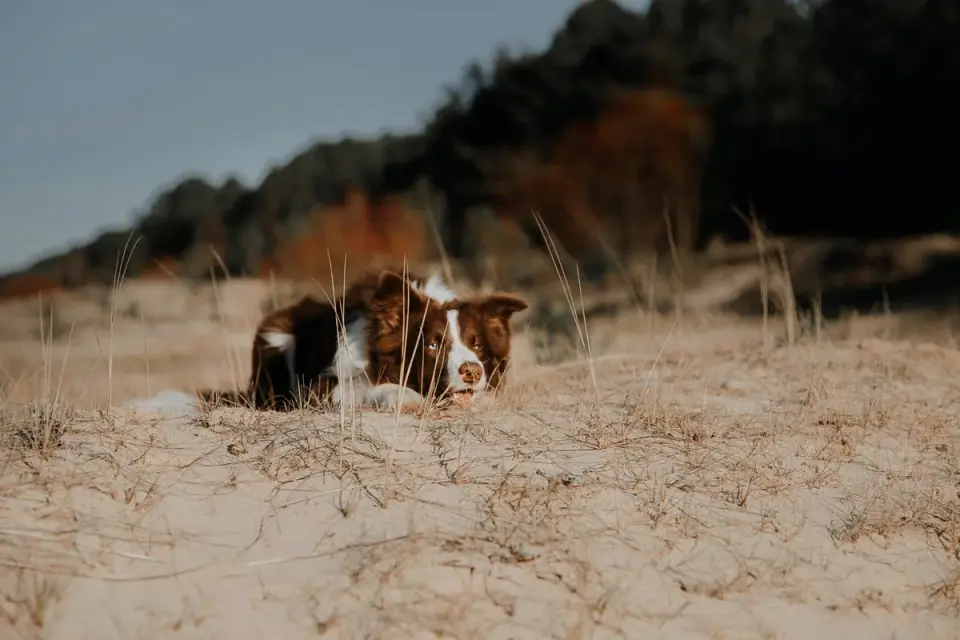
One family tried the opposite last season and learned fast. They left their 2-year-old, 38-pound border collie mix with free roam of a hotel room while they skied bell-to-bell, thinking a morning run would tire her out. Three weeks in, they still talked about that Saturday: shredded pillow, noise complaint by day 3, and a dog too wired to settle because the routine kept changing. No crate, no midday check, no chew rotation. The fix was not more exercise. It was structure, shorter alone stretches, and trading one long ski day for two shared half-days.
Cold, paws, altitude, and tired legs
Cold support starts with observation. Shivering, lifting paws, slowing down, or seeking shelter means go inside now. Booties may help support normal paw protection from ice, salt, and rough snow, and paw balm may help support normal skin hydration, but neither replaces shorter outings. The American Kennel Club notes similar practical steps for winter walks, including visibility gear and drying coats after snow exposure.
Altitude affects dogs too. Expect faster panting, lower stamina, and more water needs for the first 24 hours, especially in seniors and short-muzzled breeds. Keep day one easy.
Frostbite risk is real on ears, tails, and toes in bitter windchill. VCA Hospitals describes pale, cold skin that later turns red and painful, which is why I tell clients to set a baseline on arrival and recheck after every outing.
Keep evenings boring on purpose.
My edge-case story is the dog who loved it too much. A fit 7-year-old, 54-pound husky mix arrived and wanted to run every snowy trail at full pull by day 2, and the owners worried he seemed stiff that night despite normal energy. We talked through age-related joint load, deep snow resistance, and the way excitement masks fatigue. They switched to packed village paths, cut the long hike to two twenty-minute loops with a warm-up break between, and added a padded bed near the heater. He moved easier the next morning, which reminded them that snow athletes still need rest days.
Where I land, and the trade-off I will not hide
My recommendation is simple: book the trip as a cabin weekend with skiing attached, not a ski trip with a dog squeezed in. You will ski fewer vertical feet and enjoy the weekend more.
The strongest counterargument is cost. Dog-friendly lodging near lifts, pet fees, and taking turns can feel inefficient compared with a kennel stay at home. That is fair, and for anxious dogs or heavy powder-chasers, boarding may be kinder.
Still, for steady, social dogs who settle in a crate, I land on bringing them when you can protect the routine. Preventive planning beats make-up mileage every time.
What would a slower, dog-shaped ski weekend give you back?
Frequently asked questions
Can my dog come on the ski lifts?
Generally no. Most resorts prohibit dogs on lifts and groomed runs for safety reasons, so plan for alternate walks and lodge rest time.
How long can a dog stay alone in a rental?
Keep alone stretches short, ideally under 3-4 hours, with a crate, potty break, and midday check built into your ski shifts.
Do dogs need boots for a ski weekend?
Many do well with boots on salted paths and icy snow. Introduce them before the trip and still keep outings brief in bitter cold.
Sources
- Cold-Weather Animal Safety — AVMA
- Frostbite in Dogs — VCA Hospitals