On this page
The first time I saw it go wrong wasn’t dramatic. A client of mine, a seven-year-old Lab mix named Cooper, about 68 pounds, had ridden shotgun with his head out the window for years without incident. On a five-hour trip to a lake house, the owner packed his bed, his food, his favorite toy, everything except a harness or crate. Cooper wasn’t hurt. But he spent the last two hours of that drive panting, drooling, and pacing the back seat because there was nowhere stable to settle, and by the time they arrived he wouldn’t eat dinner. Nothing about that trip failed because of a missing packing-list item. It failed because of a sequence problem, and that’s the pattern I see over and over with traveling dogs.
Most guides to traveling with a dog read like packing lists: bowl, leash, poop bags, treats. The actual mistakes people make aren’t about gear. They’re about sequencing, and about assuming a dog’s tolerance for novelty and confinement is the same as a person’s.
Myth vs. reality: what actually derails a dog’s trip
The myth is that a well-behaved dog at home will behave the same way in a car, a hotel, or an airport. The reality is that travel stacks new smells, new sounds, restricted movement, and disrupted routine all at once, and dogs cope with that stack differently than we expect.
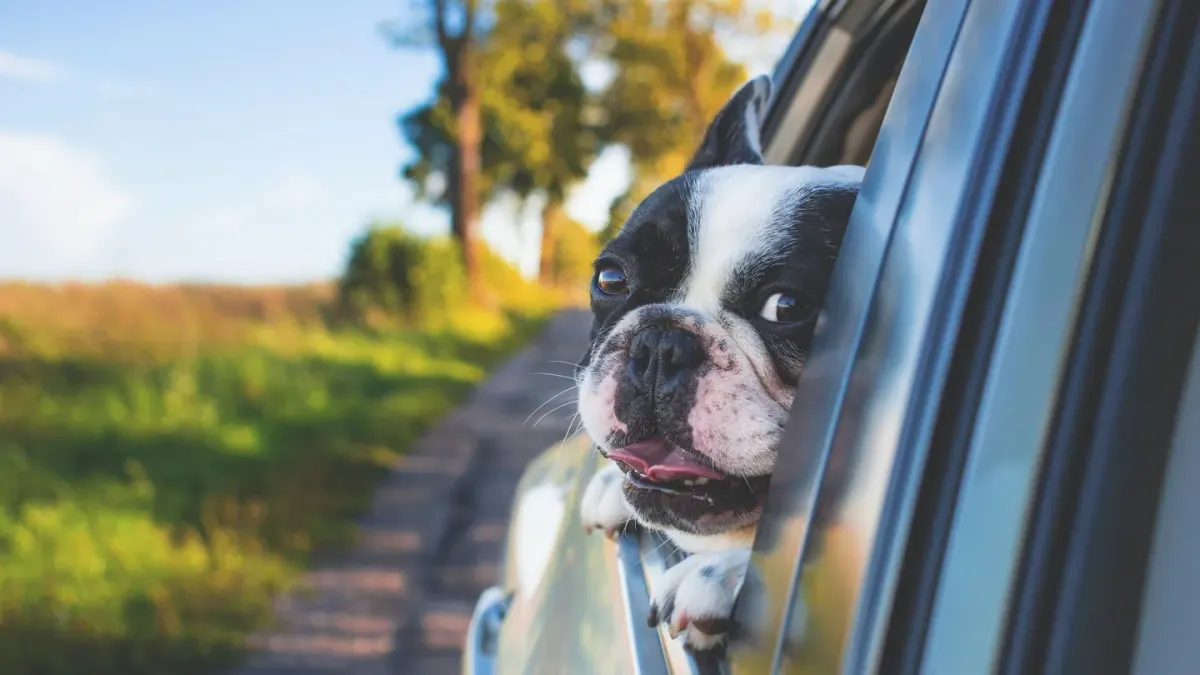
Myth: “My dog is calm, so restraint doesn’t matter.” The American Veterinary Medical Association is direct about this: the safest place for a dog in a moving vehicle is the back seat, properly restrained in a crate, carrier, or crash-tested harness, not loose and not on a lap. A calm dog can still become a projectile in a sudden stop, and a startled dog loose in the cabin is a driving hazard in its own right.
Myth: “A quick errand in the car is fine to leave them for.” It isn’t a myth so much as a math problem people get wrong. On an 80°F day, the inside of a parked car can climb to roughly 114°F within 30 minutes, according to the AVMA — cracked windows barely change that curve. That single fact accounts for more travel emergencies than any other mistake on this list.
Myth: “Health paperwork is only an international-travel thing.” Domestic interstate travel, some state border crossings, and most airlines still ask for current health documentation, and the requirements aren’t always what owners assume. If you’re flying or crossing state lines, check both the airline and your destination state directly rather than relying on last year’s assumptions — the USDA Animal and Plant Health Inspection Service is the reference point for that, not a blog post from a prior trip.
A practical sequence I walk owners through before any trip
Here’s the order I actually recommend, because the sequence matters more than the checklist:
- Confirm restraint gear first, destination logistics second. A crate, carrier, or crash-tested harness should be sized and tested at home, not bought the week of the trip.
- Build in short practice sessions with the carrier or harness. A dog that’s only ever seen a crate at the vet’s office associates it with stress before the trip even starts.
- Map stops before you leave, not during. The AVMA recommends stopping roughly every two hours on long drives for water, a short walk, and a bathroom break — plan those stops on the route, don’t wing them.
- Pack routine, not just gear. Same food, same feeding times where possible, familiar bedding. This is the piece most people skip, and it’s the one I get the most follow-up calls about. For a deeper walkthrough, see how to keep your dog on its routine while traveling.
- Never treat the car as a waiting room. Not for five minutes at a gas station, not on a mild day. If the dog can’t come in, the stop needs to wait.
- Verify paperwork against the actual destination, not a general assumption. Requirements vary by state and by airline; confirm with the USDA APHIS resource above and the carrier directly.
A short one to sit with: most of the emergencies I hear about after a trip trace back to one skipped step in that list, not a string of failures.
Where the small mistakes compound
I had a family bring in a two-year-old Cavalier named Biscuit after a weekend trip where nothing on paper went wrong. They’d booked a dog-friendly cabin, packed her food, brought her bed. But they’d also changed her feeding schedule around the drive time, skipped her usual evening walk two nights running because it was raining at the cabin, and let her sleep in an unfamiliar spot away from the family. By the time I saw her, she wasn’t eating well and was unusually clingy at home again a full week later. Nothing about that trip was a single dramatic error. It was routine disruption stacked on top of environmental novelty, and dogs — especially ones without much travel history — read that stack as instability, not vacation. That case is a big part of why I put routine ahead of gear on the list above; it’s the mistake that’s easiest to make and hardest to notice while it’s happening.
If you’re traveling with a young puppy who has even less baseline tolerance for novelty, the margin for these mistakes is smaller. See how to travel with a puppy for the first time for age-specific pacing. And if your dog already struggles with car stress on ordinary drives, it’s worth addressing that before a long trip rather than during one — how to make car rides less stressful for your dog covers the groundwork.
The counterargument, and where I still land
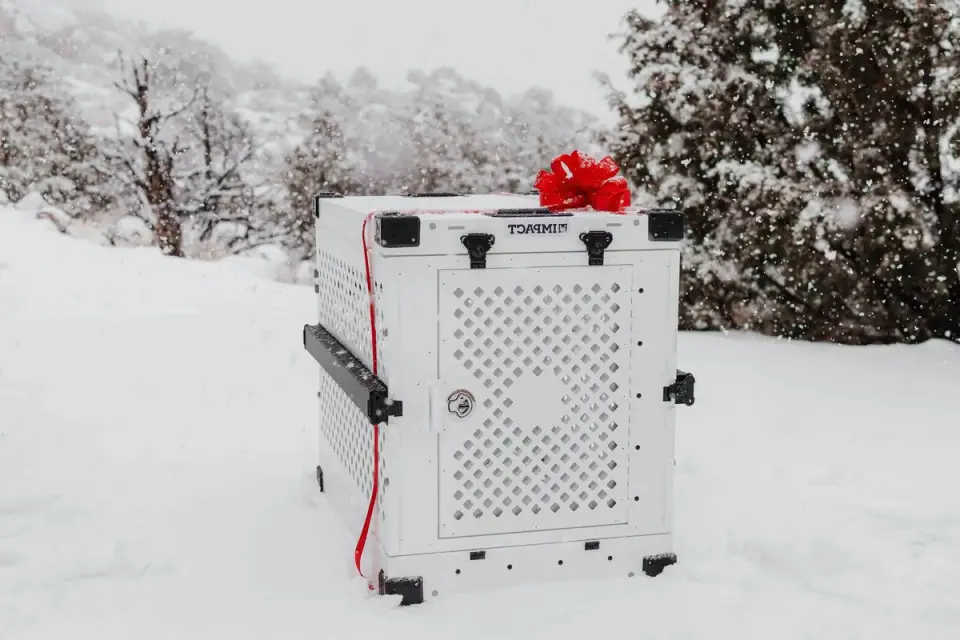
The pushback I hear most is reasonable: not every dog tolerates a crate or harness well, and forcing the issue right before a trip can create more stress than it prevents. That’s fair, and it’s why I put practice sessions before departure day in the sequence above rather than treating restraint as something you introduce at the car door. A dog that’s never worn a harness shouldn’t meet it for the first time on a five-hour drive.
Where I don’t bend is on the two nonnegotiables: some form of tested restraint in the vehicle, and never leaving a dog unattended in a parked car regardless of the weather or how “quick” the errand is. Those aren’t preference calls; they’re the two categories where the AVMA’s data on heat exhaustion and crash injury is unambiguous, and I’ve watched both go wrong in ways that were entirely preventable.
For dogs with existing anxiety, reactivity, or a history of poor travel tolerance, the standard sequence above still applies, but the margin for error is smaller and the prep window should be longer — how to travel with a reactive dog is worth reading well before departure day.
The last family I worked with before writing this had done nearly everything right — restraint gear, planned stops, familiar bedding — and still hit a rough first evening in a new place because their dog’s feeding time shifted by three hours. We adjusted the schedule for the second night, and the dog settled by morning. That’s usually all it takes: not a perfect trip, just a lower number of stacked mistakes.
Next step: before your next trip, walk through the six-step sequence above in order, not the packing list. The order is the part people skip.
Frequently asked questions
What's the single most common mistake people make when traveling with a dog?
Skipping or improvising restraint in the vehicle. A crate, carrier, or crash-tested harness in the back seat is the safest setup, according to the American Veterinary Medical Association, and it's the step most owners assume they don't need if their dog "behaves."
Is it ever okay to leave a dog in the car for a few minutes?
No. Temperatures inside a parked car can climb dramatically within 30 minutes even on a mild day, per AVMA guidance, and that risk doesn't scale down for a "quick" stop.
Do I need a health certificate to travel with my dog domestically?
It depends on the state and the airline; some require current documentation and some don't. Check the destination state and carrier directly, and use the USDA Animal and Plant Health Inspection Service as a starting reference point.
Sources
- Traveling with your dog or cat — American Veterinary Medical Association
- Travel With a Pet — Animal and Plant Health Inspection Service