On this page
A multi-stop trip lives or dies on rhythm, not mileage. Set the routine first, then fit the sights around it.
I counsel owners to expect this: most dogs do not settle because the car is smooth. They settle because meals, water, potty breaks, and rest happen at predictable times. Keep that baseline steady and normal travel stress may be easier to manage, which may help support normal digestion, hydration, and calm behavior on the road.
A four-year-old, 68-pound Lab mix I counseled before a three-state Midwest loop shows why I anchor days on routine first. He was solid at home but panted nonstop for the first two hours on practice drives, skipped water, then gulped and vomited at a gas stop. We rebuilt his travel baseline around familiar food, timed water offers, and a mat in the footwell. On the second practice run he lay down after 20 minutes instead of panting for two hours, and his owner finally believed the trip could work without constant worry about the next stop.
The limit no packing list can fix
Pack perfectly and you can still hit the same wall. Dogs fatigue with novelty. New smells, new lodging, new surfaces, and broken sleep add up by day two.
Plan for the dog you have on day three, not day one.
Do this before you leave. Take one 60- to 90-minute practice drive with your full car setup. Offer water at the halfway point. Note panting, drooling, restlessness, skipped food, or loose stool. Adjust the plan to that dog, not the dog you hope shows up. Check current entry rules and health paperwork early, since requirements change by destination. The U.S. Department of Agriculture maintains federal pet-travel information that may help you confirm what documents to carry.
Carry proof of rabies vaccination, medications in original containers, and your regular veterinarian contact plus one emergency clinic per overnight town. Keep a familiar blanket, chew, and the same food and treats from home. For feeding rhythm on the move, see Feeding Your Dog on a Road Trip: What to Know.
What that paw print icon actually promises
A paw print usually means dogs are allowed, not that the stop is comfortable or safe for dogs. Patios may be loud, hot, and tight on leash. Lodging may allow dogs but charge per night, limit size, or forbid unattended dogs. Trails may allow leashed dogs in the parking lot and prohibit them past the trailhead.
Call ahead and ask three questions. Where exactly can the dog go. Where should the dog relieve himself. What happens if you need to leave the dog briefly. Screen lodging for ground-floor access, nearby grass, and a quiet corner away from elevators. Screen restaurants for shade, space between tables, and a real exit path if your dog needs a break. The National Park Service notes that many park trails and buildings restrict pets, so verify pet areas for each park unit before you promise a hike.
On a coastal highway run, a lanky senior beagle showed his family the cost of chasing every dog-friendly dot. They mapped patios every 90 minutes and aimed to push 340 miles before dinner to save a hotel fee, with shared burgers and fries as road food. By the second patio he refused to exit the car, drooled through his harness, and skipped the evening meal entirely. They cut the day short, fed his normal kibble at the hotel, and walked a quiet block instead of chasing one more sunset stop. He ate at 9 p.m. and slept straight through.
Build each day around the same three anchors
Forget an hour-by-hour itinerary. Run the same loop at every stop: relieve, drink, decompress.
Park away from traffic and idle exhaust. Leash before doors open. Walk first to the designated dog area. Offer water, not a full meal. Give five to ten minutes of sniffing on a loose leash. Then load up and go. Keep meals on home schedule as closely as traffic allows, and keep portions and extras consistent.
Use this sequence:
Keep stops short and frequent. Plan to stop every two to three hours for a potty break, water offer, and brief stretch. For timing help, see How Often Should You Stop on a Road Trip With a Dog?.
Keep water boring and available. Bring water from home for the first day if your dog is picky, then transition gradually. Offer small amounts often. Wash the bowl nightly. For hot-weather tactics, see How to Keep Your Dog Hydrated on a Long Drive.
Keep sleep sacred. Use the same crate or mat, same bedtime cue, and same wind-down walk at each overnight. Feed dinner early enough for a final potty walk. White noise may help support rest in thin-walled rooms.
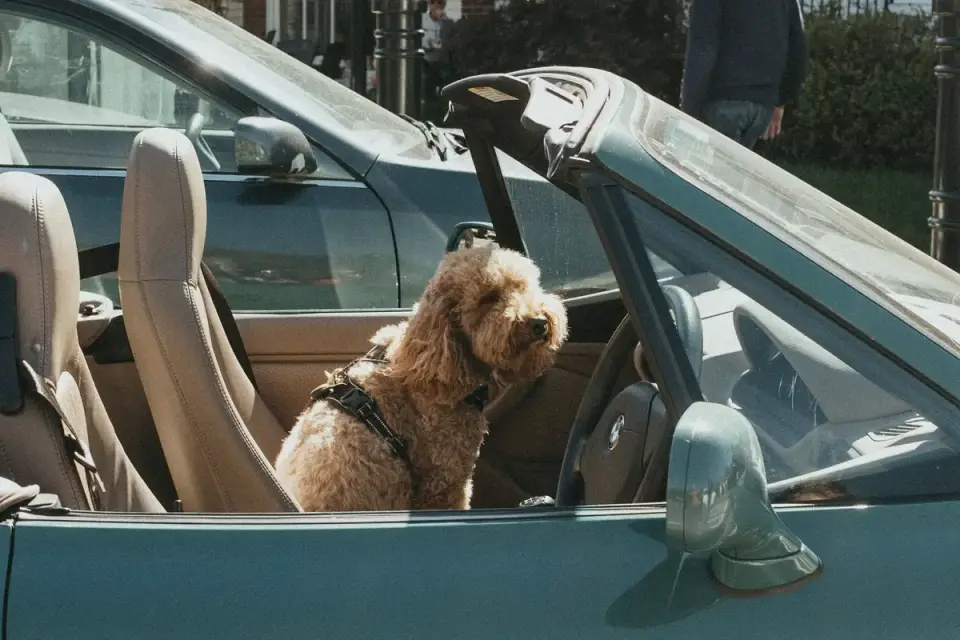
Keep the car safe. Secure dogs with a crash-tested crate or harness, maintain ventilation, and never leave a dog unattended in a vehicle. The American Veterinary Medical Association advises owners to plan for restraint, heat risk, and identification during car travel. Keep collar tags plus microchip info current, and clip a spare leash to each bag. For bathroom logistics across long days, see Managing Potty Breaks on a Road Trip With Your Dog.
When to throw out the standard plan
Here is where my standard every-stop stretch rule is the wrong call. Young puppies, seniors, brachycephalic breeds, anxious dogs, and dogs with motion sickness or medical conditions often do worse with more stimulation, not less.
Heading into three nights above 7,000 feet, one bouncy terrier puppy showed why shorter can be kinder. She was nine months old and thriving on brisk 10-minute sniff walks at each fuel stop on flat highways, where she peed on cue and trotted back happy. In thin, cold mountain air she shivered, tucked her tail, and balked at the curb after one lap. Her owner switched to quick potty checks only, added a fleece in the crate, and saved play for a sheltered meadow lower down. She napped warm through two skipped walks instead of shutting down.
Follow that lead. If panting rises, appetite drops, stool loosens for more than a day, or your dog resists unloading, shorten outings, lengthen rest, and simplify the next leg. Offer a quiet hotel evening over a busy downtown block. Split one long drive into two easy days. Prevention beats recovery on the road, and a flexible owner is the best travel gear a dog gets.
Frequently asked questions
What should I pack for a multi-stop road trip with my dog?
Pack the same food and treats from home, water and a washable bowl, medications in original containers, vaccination records, leash plus a spare, waste bags, a familiar mat or crate, and your vet contact plus one emergency clinic per overnight town.
How often should we stop when driving with a dog?
Plan a brief stop every 2 to 3 hours for a leashed potty walk, a small water offer, and 5 to 10 minutes of sniffing, then reload. Shorten outings and extend rest if panting, drooling, or appetite loss appears.
Are dog-friendly hotels and patios always a good fit?
Not always. Dog-friendly often means allowed, not comfortable. Confirm where dogs can go, where to potty, size limits and fees, and whether dogs can be left unattended before you book.
Sources
- Pet Owner Resources — American Veterinary Medical Association
- Pet Travel — U.S. Department of Agriculture
- Pets — National Park Service