
On this page
A quick glance after a hike rarely finds every tick, because unfed ticks can be as small as a poppy seed and settle where fur is thickest.
Use this road-tested checklist right after outdoor travel, then read on for the detail behind each step:
- Work nose to tail in the same order every time, with good light and a low-stress setup
- Feel first, then part the fur to look, prioritizing ears, eyelids, collar line, armpits, groin, between toes, and under the tail
- Check gear too: collar, harness, leash, bed, crate pad, and your pant cuffs
- Save anything you find in a small container and note date and trail location
- Call your veterinarian for guidance on removal, identification, testing timelines, and preventive options
That expectation-first routine matters. No check is perfect, and prevention does not replace inspection after travel through grass, brush, leaf litter, or kennel yards.
The check has one surprising limit
You can do everything right and still miss a tick on day one. Ticks quest low in vegetation, crawl upward, then wander before attaching, so a dog that looks clean at the trailhead may have a crawler tucked near the skin by bedtime.
Vets often see the result after busy travel weekends: an owner finds an engorged tick two days later and worries the whole trip was the problem. In practice, the more useful question is whether a consistent routine may help support earlier detection next time. Bradley learned this with Gershwin, a 2-year-old spayed female Border Collie from Rochester, Minnesota, when a pea-sized bump behind her ear turned out to be a tick found about 36 hours after a prairie trail walk.
Re-check the same high-hide spots once daily for two to three days after higher-risk outings.
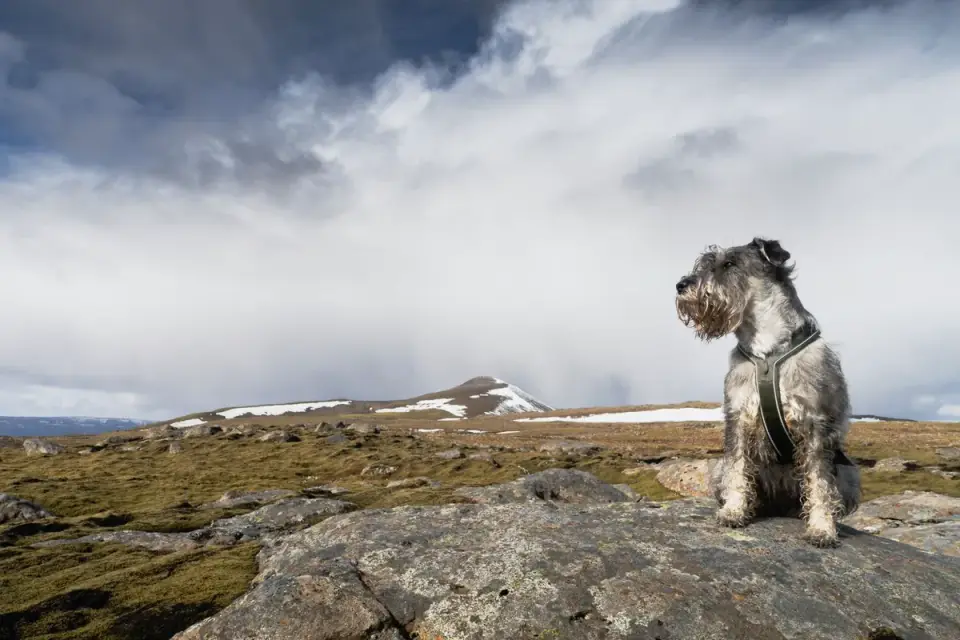
Myth versus reality on travel ticks
Myth: ticks only live in deep woods, so open trails and rest stops are safe.
Reality: many hard ticks wait in grass, brush piles, leaf litter, campground edges, and along fence lines. A road-trip potty break can carry as much exposure as a summit trail.
Myth: you will see every tick if you look carefully.
Reality: size changes with life stage and feeding status. Nymphs are tiny, dark coats hide movement, and matted or long fur covers attachment sites. Touch adds what eyes miss.
Myth: a preventive means no check is needed.
Reality: preventives are an important baseline, but product timing, bathing, missed doses, and heavy exposure still leave gaps. The Centers for Disease Control and Prevention notes that checking pets after time outdoors remains a core step, even for animals on preventive care. Your veterinarian can help match the product, dose schedule, and recheck plan to your itinerary.
Myth: the best move is to burn, twist, or smother an attached tick.
Reality: steady removal with fine-tipped tweezers, close to the skin, is the approach public-health guidance favors. The Companion Animal Parasite Council provides veterinary parasite guidance that clinics use when advising on tick control and follow-up testing windows.
The nose-to-tail sequence I counsel clients to use
Keep it preventive and low-stress. Choose the same quiet spot, offer a chew or mat, and keep sessions short enough that your dog stays relaxed.
Start at the face. Lift ear flaps and feel inside and behind both ears, around eyelids and lips, and under the chin and collar. Collars trap moisture and warmth, and ticks favor that edge.
Move to the front. Run fingertips against the grain over the neck, chest, and armpits. Part the fur to the skin in sections, especially in thick ruffs. Check between the front toes and paw pads, where trail debris collects.
Work the middle. Feel along the belly, around nipples, and in the groin folds. Curtis, traveling with Smitty, an 8-year-old neutered male Weimaraner from Montgomery, Alabama, found that a second pass through the groin and inner thigh the next morning caught a small tick missed during a tired late-night check after a 6-mile hike.
Finish at the rear. Lift the tail and check under and around the tail base, around the anus and vulva or prepuce, between rear toes, and over the tail tip. Then brush or comb lightly and re-feel any lumps rather than squeezing them.
Handle gear before it spreads through lodging. Shake out bedding outside, wipe harness straps and crate trays, and store used towels in a sealed bag until laundry. If you are sorting records after the trip, pair your tick note with the system in Dog ID Tags and Records: How to Prepare Before You Travel and the feeding reset in Collapsible Bowls and Feeding Gear for Traveling Dogs.
What to do with what you find
Keep the tick intact when possible. Save it in a small lidded container with a little rubbing alcohol, label it with date and location, and wash your hands. Photos of top and underside can help identification.
Remove an attached tick promptly with fine-tipped tweezers, grasping near the skin and pulling steadily without jerking. Clean the area, avoid crushing the tick with bare fingers, and note whether mouthparts appear retained.
Afterward, watch the calendar rather than expecting instant answers. Ask your veterinarian about realistic timelines for rechecks and tick-borne disease screening after travel, since antibodies take weeks to develop and early signs can be vague, such as shifting lameness, fever, lethargy, or reduced appetite. Bring your travel route, prevention history, and the saved tick or clear photos.
Seek same-day veterinary advice for heavy tick burden, a tick inside the mouth or eye, spreading redness, facial swelling, difficulty breathing, pale gums, or a dog that becomes suddenly painful or lethargic.
A steady routine may help support calmer trips and cleaner records the next time you book. For the logistics side, review Airline Pet Policies: What to Check Before You Book before you fly with prevention and paperwork in the same folder.
Frequently asked questions
How soon after a hike should I check my dog for ticks?
Check the same day, ideally within hours of leaving grass or brush, then recheck high-hide spots daily for two to three days.
Where do ticks hide most often on dogs?
Inside and behind ears, around eyelids and lips, along the collar line, in armpits and groin folds, between toes, and under the tail.
Should I save a tick I find after travel?
Yes. Keep it in a small labeled container with date and location and ask your veterinarian about identification and follow-up timing.
Sources
- Preventing Ticks on Your Pets — Centers for Disease Control and Prevention
- Ticks Guidelines — Companion Animal Parasite Council