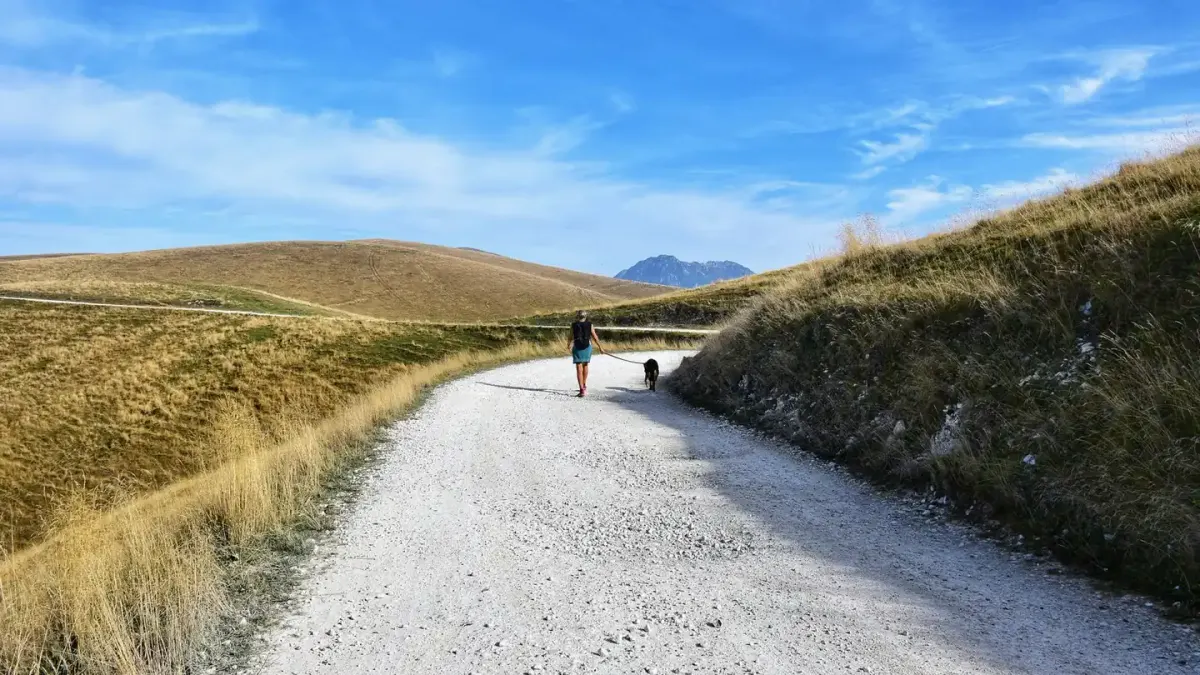
Barbara planned to leave Portland by 7 a.m. with Jinx, her 4-year-old neutered male Bernese Mountain Dog, and she worried a full breakfast would either fuel him or upset him for the first 200 miles. In practice, vets often see that same tradeoff: owners want to keep the routine normal, but the day itself is anything but normal.
That mismatch is the limitation to plan around. You cannot keep feeding exactly on schedule when departure times, rest stops, and stress hormones all shift digestion. The goal is not perfect nutrition for one day; it is a calm gut that may help support comfortable travel behavior.
The myth is that a big meal settles a dog
Many owners assume a full bowl before loading up will prevent hunger whining and begging. On a quiet day at home that logic holds, but motion, excitement, and withheld water breaks change the equation.
A large, late meal before confinement raises the chance of drooling, restlessness, vomiting, or an urgent bathroom stop with nowhere good to pull over. The American Veterinary Medical Association notes that feeding timing and familiar routines matter for travel comfort, and recommends planning feeding, watering, and potty stops around the trip rather than feeding as usual right before departure.
My position is simple: keep the food the same and change the portion and timing instead. Familiar kibble in a smaller amount is kinder than a novel treat, chew, or rich human food meant as a distraction.
That does not mean fasting every dog. Very small breeds, puppies, and dogs with medical needs can struggle without regular calories, so talk with your veterinarian about baseline needs before you withhold a meal.
Feed in this order: early, light, familiar
Start with about one-half to two-thirds of the normal morning portion, fed at least three to four hours before a long drive or flight when possible. That window gives most dogs time to digest and potty before confinement.
Offer water on the normal schedule at home, then bring water and offer small drinks at each stop rather than free access sloshing in a crate bowl. If you want gear specifics, pair this routine with the setup in Collapsible Bowls and Feeding Gear for Traveling Dogs so measuring stays easy away from home.
For midday, skip the roadside experiment.
A light snack of the regular diet travels better than a new dental chew or a gas-station jerky strip. Pack the day’s ration in a pre-measured bag, keep any canned food cool, and wash bowls with clean water; the U.S. Food and Drug Administration advises safe handling and storage of pet food to limit bacterial contamination, which matters more when a lunch bag sits in a warm car.
Resume the normal feeding amount and time once you arrive and your dog has settled, had water, and had a relaxed walk. Expect appetite to be a little low that first evening.
That lag is normal and usually resolves by morning.
Where I would do it differently
The best reason to break this pattern is an older dog or a dog with a sensitive stomach who gets nauseous when empty. Jon, traveling with Monet, his 11-year-old neutered male Portuguese Water Dog from Pearland, Texas, found that four tiny meals across a 9-hour drive kept Monet steadier than one light breakfast.
That approach is reasonable when the total for the day still matches baseline and every bite stays familiar. I still land on fewer, earlier meals for most healthy adult dogs because less food in transit means less urgency and less cleanup, but comfort for seniors and anxious dogs can outweigh tidiness.
Keep records and ID where you can reach them at a stop, not buried with the food bin, as outlined in Dog ID Tags and Records: How to Prepare Before You Travel. If you are flying rather than driving, confirm the airline feeding window and whether food must stay sealed; the same light-and-early principle applies, just shifted earlier for check-in.
Frequently asked questions
Should I feed my dog right before a long car ride?
For most healthy adult dogs, feed a smaller-than-normal meal 3 to 4 hours before departure and save the rest for arrival. Ask your veterinarian if your dog is a puppy, tiny, senior, or takes medication with food.
Should I try new food or treats on a travel day?
No. Keep the diet familiar on travel days and save new foods, rich chews, and table scraps for home. Familiar portions in familiar amounts may help support steadier digestion.
Sources
- Traveling with Your Pet — American Veterinary Medical Association
- Tips for Safe Handling of Pet Food and Treats — U.S. Food and Drug Administration