On this page
The first carsick dog I ever worked up close was a nine-month-old Cavalier named Biscuit, about 14 pounds, who threw up within five minutes of every single car ride — driveway to grocery store, driveway to vet, didn’t matter. His owner had already tried three different “calming” chews and a lavender collar before she called me. None of it touched the problem, because none of it addressed what was actually going on: a still-maturing vestibular system paired with a dog who’d been conditioned, ride after ride, to expect nausea the second the engine started.
That’s the part people miss. Carsickness in dogs is rarely just one thing. It starts as a physical mismatch between what the inner ear feels and what the eyes see, and it often turns into a learned anxiety response layered on top. Fixing it without medication means addressing both, not just masking the queasy stomach.
What’s actually making your dog sick
The inner ear structures dogs use for balance aren’t fully developed in puppies, and much of true carsickness has a maturity component — puppies often outgrow it by around a year old, according to Motion Sickness in Dogs: VCA Animal Hospitals. Mechanically, it’s a sensory conflict: the vestibular system in the ear registers motion, but a dog lying down or looking at the seat can’t visually confirm it, and that mismatch triggers the brain’s vomiting center.
Here’s the myth worth retiring: that an adult dog who still gets sick every trip just “hates the car.” In my experience, dogs who were nauseated on early rides frequently learn to associate the car itself with feeling awful — drooling, whining, or pacing before the engine even starts. That’s classic anticipatory anxiety, and it compounds the original physical problem instead of replacing it. Treating only the nausea and ignoring the learned fear is why so many owners feel like they’ve “tried everything.”
A practical sequence that actually helps
I walk clients through this roughly in order, because sequence matters more than any single trick:
- Fast for 8 hours before travel. AKC recommends withholding food before a long car, plane, or train ride — an empty stomach is genuinely one of the highest-yield changes you can make.
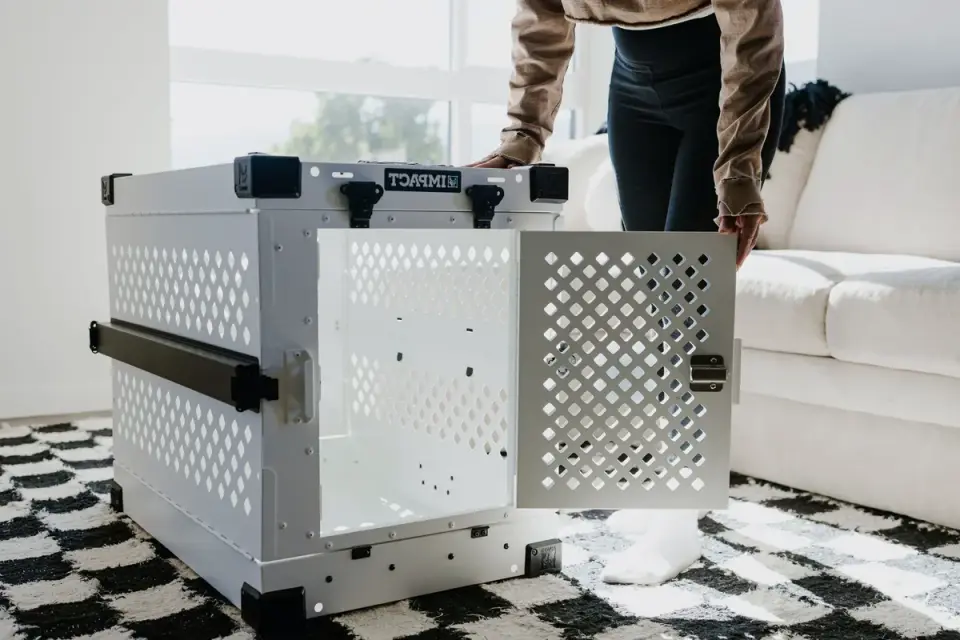
- Face the dog forward, at eye level, in a secured crate or harness. Looking at a moving horizon rather than the back of a seat reduces some of that visual-vestibular mismatch. A crate also limits the sliding and swaying that makes nausea worse on turns.
- Crack the windows a few inches. Equalizing air pressure and improving circulation can ease discomfort, and a cool, well-ventilated car matters more than most owners expect.
- Desensitize before you actually need the car to work. Start with the engine off, then running but parked, then a two-minute drive to somewhere fun like a park — not the vet. Progress only once your dog stays relaxed at each stage; some dogs settle in a few sessions, others need weeks.
One short-cut car ride done right beats a long, miserable one done to “get it over with.”
Where ginger and calming supplements fit
Ginger comes up constantly in natural-remedy conversations, and there’s a reason: in humans, ginger has performed comparably to conventional anti-nausea medication for motion sickness with fewer side effects, and it’s used similarly in dogs for nausea related to travel, per VCA Animal Hospitals. I’ll say this plainly, though — the canine evidence is mostly anecdotal, not a head-to-head trial, and ginger isn’t appropriate for dogs with bleeding disorders or those on NSAIDs or anticoagulants. I treat it as a reasonable adjunct for a mild case, not a stand-alone fix for a dog like Biscuit, who was vomiting on nearly every ride.
Biscuit’s case is the one I still reference with new carsick-dog owners, because the improvement wasn’t instant and I don’t want to oversell it as if it were. We started with the fast-and-forward-facing basics in week one, and his vomiting dropped from every ride to about half of rides. The real shift came over the following month, once we added short, food-rewarded practice drives twice a week that never ended anywhere unpleasant. By week six he could ride fifteen minutes to the park without getting sick, though longer trips still occasionally triggered drooling. That’s a realistic timeline — weeks, not days — and it’s why I tell owners not to judge any single change in isolation.
When it’s time to talk medication anyway
Structure and function support the treatment; they don’t always outrun genuine physiologic nausea. If your dog is still vomiting on most rides after several weeks of consistent desensitization, feeding changes, and positioning, that’s a reasonable point to loop in your veterinarian about prescription options rather than layering on more supplements. It’s also worth planning ahead if you’re combining car rides with air travel — check Airline Pet Policies: What to Check Before You Book and, if you’ll need a stop after landing, Airport Pet Relief Areas: How They Work. And if the carsickness is really a symptom of a dog who’s anxious about confinement generally, it’s worth comparing how they do with Boarding Kennel vs Pet Sitter: Which Is Right for Your Dog? before a long trip, since the same anxious wiring often shows up in both settings.
My honest counterargument to myself: some owners will tell you desensitization is a waste of time for a dog who’s already thoroughly conditioned to hate the car, and for a subset of dogs, they’re right — a few weeks of gradual exposure won’t undo years of association. I still start there anyway, because it costs nothing but time, it works for most dogs I see, and it tells you clearly whether you’re dealing with a physical problem, a learned one, or both before you reach for anything stronger.
Give the non-medication plan a real, honest trial — a few consistent weeks, not a single test drive — before deciding it isn’t enough for your dog.
Frequently asked questions
Can puppies outgrow car sickness on their own?
Many do, often by around a year old as the inner ear's balance structures finish maturing, though some dogs carry a learned anxiety response forward even after the physical cause resolves, according to VCA Animal Hospitals.
Is ginger safe for every carsick dog?
Not for dogs with bleeding disorders or those taking NSAIDs or anticoagulants — check with your veterinarian before adding it, especially alongside any other medication.
Sources
- Motion Sickness in Dogs — VCA Animal Hospitals
- Ginger — VCA Animal Hospitals
- Teach Your Dog to Ride in the Car: Preventing Anxiety and Motion Sickness — AKC