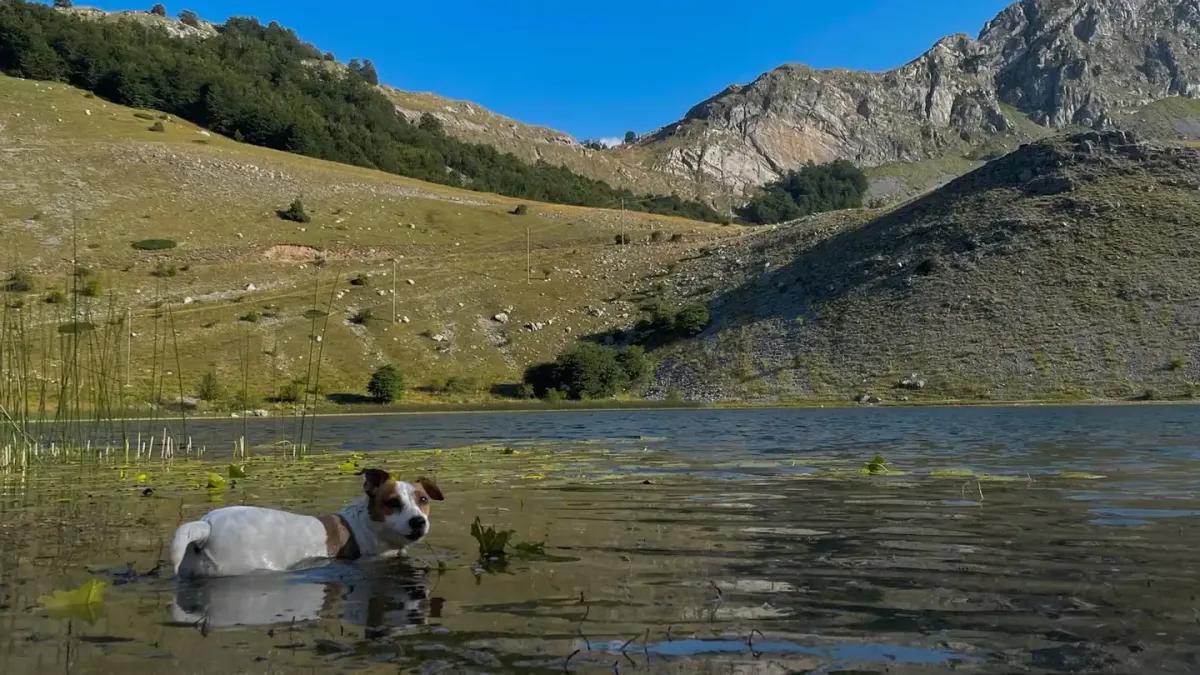
Trevor thought his weekend plan was solid until Sonny, his 5-year-old neutered male mixed-breed, came back from one soggy Oceanside evening walk smelling damp, chilled, and unwilling to settle on a thin hotel blanket for the next six hours. The rain was not the problem. Staying damp was. Vets often see the same pattern after wet trips: normal dogs with soft stool, itchy paws, or restless nights because nothing in the bag ever fully dried. My position is simple — pack for dryness first, activities second. Expectation first: a rainy weekend may help support normal comfort and behavior only if rest, food, and drying routines stay predictable.
The limit is not rain, it is stuff that stays wet
A rainy trip changes the baseline. Wet bedding loses loft, wet collars chafe, kibble left in an open bag picks up moisture, and a dog that cannot get warm and dry struggles to rest.
That is why I counsel clients to build the kit around three dry zones: a dry place to sleep, dry food and water, and a fast way to get paws, belly, and ears dry after every outing. Toys and extra outfits are optional. Those three are not.
Dry matters more than waterproof. A light rain shell helps, but two absorbent microfiber towels plus a washable crate mat that can be wrung out and swapped will get more use over two days.

Myth: more gear keeps a wet weekend comfortable
The myth is that a rainy kit should be bigger. Reality is that a tighter kit with backups for the few things that must stay dry works better in a small car, rental, or tent.
The American Veterinary Medical Association reminds travelers to bring health and ID basics on every trip, including collar tags, leash, food, water, bowls, medications, and veterinary records. For a wet weekend, translate that list into waterproofing: records and medication in a zip pouch, food in a resealable dry bag, and one spare leash and collar in case the first set soaks through.
Food deserves special attention. The U.S. Food and Drug Administration recommends storing dry pet food in its original bag inside a clean, sealed container and washing bowls and hands after handling. On the road that means pre-portioned meals, a collapsible backup bowl, and bottled or familiar water for dogs with sensitive stomachs. If you want help choosing bowls, see Collapsible Bowls and Feeding Gear for Traveling Dogs before you decide what to squeeze into a wet tote.
Identification is the other non-negotiable. Keep a current tag, a recent photo, and vaccine records where you can reach them without digging. Dog ID Tags and Records: How to Prepare Before You Travel walks through the two-system approach I like: something on the dog plus something in your phone.
Pack in this order for two soggy days
Work in sequence rather than tossing items in a duffel. This order keeps the essentials accessible when you arrive tired and wet.
1. Sleep dry kit. Washable crate mat or blanket, plus one spare. A familiar-smelling blanket may help support low-stress handling at bedtime, and a raised cot or extra towel under the bed keeps cold floors from wicking moisture upward.
2. Food and water kit. Two days of meals plus one extra day, treats in a sealed jar, bowls, poop bags, any daily medication, and a small bottle of dish soap. Feed on the usual schedule. Predictability supports normal digestion when exercise and weather change.
3. Dry-off station. Two quick-dry towels, unscented pet wipes, a paw washer or cup, and a brush for a terrier-type coat or long furnishings. Rinse grit from paws, pat dry between toes, then check ears for damp odor after long rain walks.
4. Walk-ready extras. Front-clip harness, 6-foot leash, spare collar, reflective clip or light, rain shell if your dog accepts clothing, and a car seat cover or crate liner. Jeremy learned this with Jessy, his 2-year-old spayed female terrier mix in Hartford, when a 20-minute sidewalk loop left her shivering; swapping to a dry harness indoors and toweling her chest helped her settle within an hour.
Keep evening expectations realistic.
A wet dog often needs a shorter last outing, a longer dry-off, and a calm chew or sniff game indoors instead of a second walk. That trade may help support normal behavior without pushing an overtired dog back into cold rain.
The counterargument is fair: some dogs love rain and do fine with minimal gear. I still land on packing the dry backups, because the cost is one extra tote and the payoff is sleep, appetite, and paws that stay comfortable through checkout.
Frequently asked questions
How much extra food should I pack for a rainy weekend?
Pack the full weekend amount plus at least one extra day in sealed, pre-portioned bags so a delay or spill does not force a sudden diet switch.
How do I keep my dog's sleeping spot dry in a rental?
Layer a waterproof base, then a washable mat and a familiar blanket, and swap the top layer if it feels damp rather than letting the dog sleep on it all night.
Do dogs need raincoats?
Some short-coated or small dogs rest more comfortably with a light shell, but fast toweling, dry collars, and a warm bed matter more than any single garment.
Sources
- Traveling With Your Pet — American Veterinary Medical Association
- Tips for Safe Handling of Pet Food and Treats — U.S. Food and Drug Administration