On this page
Maya had booked five nights on a 57-foot narrowboat for late April, picturing her 4-year-old spaniel dozing on the roof while the countryside slid past. By the second morning she understood the real rhythm: tiller in one hand, lead in the other, eyes flicking between the approaching lock and a dog who wanted to jump ashore at every mooring bollard. She had planned for scenery, not for supervision, and that gap set the tone for the whole week. The spaniel settled after day three, once walks, feeding, and a stern cabin routine fell into place, and by night five he was choosing his bed over the towpath. Her takeaway was simple, and I hear it often: a canal trip can be wonderful with a dog, but only if you plan the boat as a small, moving home with water on both sides.
The part brochures skip: the boat never stops moving
The surprising limitation is not space. Most dogs adapt to a narrowboat cabin within a day. It is divided attention. Someone must steer, someone must work locks, and someone must watch the dog, often at the same moment. Locks, swing bridges, mooring pins, deep lock chambers, and cold canal water create risk in seconds, especially for curious adolescents or stiff seniors who slip.
My position, stated the way I counsel it in the room, is this: book a dog-accustomed boat and build the whole itinerary around short cruising days with planned shore time, rather than fitting the dog around maximum miles. A baseline of two to three cruising hours per day, with a proper run ashore morning and evening, may help support calmer behavior and more predictable toileting than pushing for six-hour stretches. The trade-off is real. You will cover less distance, and you may pay for a more expensive pet-friendly operator instead of the cheapest hire. I still land here because prevention is cheaper than retrieval, whether that means a dog overboard, a lost dog from an unlatched cratch, or a sore senior asked to jump a 2-foot gap onto a wet bank.
Myth says dogs can roam the deck like they do the living room. Reality says the well deck, stern counter, and roof are fall zones. Myth says canal water is just river water. Reality is it can hide blue-green algae in warm months, agricultural runoff after rain, and leptospirosis risk where rats frequent banks, so drinking and swimming need boundaries.
Booking a boat that actually fits a dog
Start with the operator, not the route. Ask how many dogs they allow, whether there is a surcharge or damage deposit, and where dogs are and are not permitted onboard. Some fleets allow dogs only on specific boats with wipeable upholstery and stair gates. Ask about deck layout, freeboard height, presence of side doors, and whether the cratch cover zips fully closed.
Choose Cruiser stern versus traditional stern with your dog in mind. A cruiser stern offers more outdoor floor space for a settled dog wearing a harness tether, but also more temptation to move. A traditional small counter suits an owner who wants the dog inside during maneuvers. Either way, plan that your dog stays below or on a short secured lead during locks and mooring.
The Canal & River Trust sets out core boating expectations for sharing locks, towpaths, and moorings, and reading its guidance before you go helps you anticipate where dogs must be under tight control.
She had tried the opposite approach the previous summer, hiring the longest boat available for four adults and a 9-month-old terrier mix because the berths looked generous. They attempted 6 short moves in 3 days, ate standing up, and left the side hatch open for air while working a bottom-gate paddle. The pup slipped out, ran 300 meters down the towpath after ducks, and refused recall near a weir stream until a cyclist blocked his path. No one was hurt, but lunch was cold, the lock queue was annoyed, and the owners spent the rest of the trip trading off dog duty in shifts. Fewer miles and a closed cabin would have given them a holiday instead of a relay.
A practical sequence from driveway to disembarkation
I keep it preventive: baseline, behavior, low-stress handling. Expect the first 24 hours to be noisy and interesting for your dog, then expect improvement if routine holds.
Pack for function. Bring the usual food plus two extra meals, any medication with a written schedule, a non-slip mat for cabin floors, a familiar bed, a long line and a short traffic lead, a well-fitted harness with handle, a life jacket sized and trialed at home, poop bags, old towels, a spill-proof water bowl, and a chew that does not roll. Keep vaccination records and your veterinary practice number in your phone. For drinking water, carry fresh water from taps ashore rather than canal water.
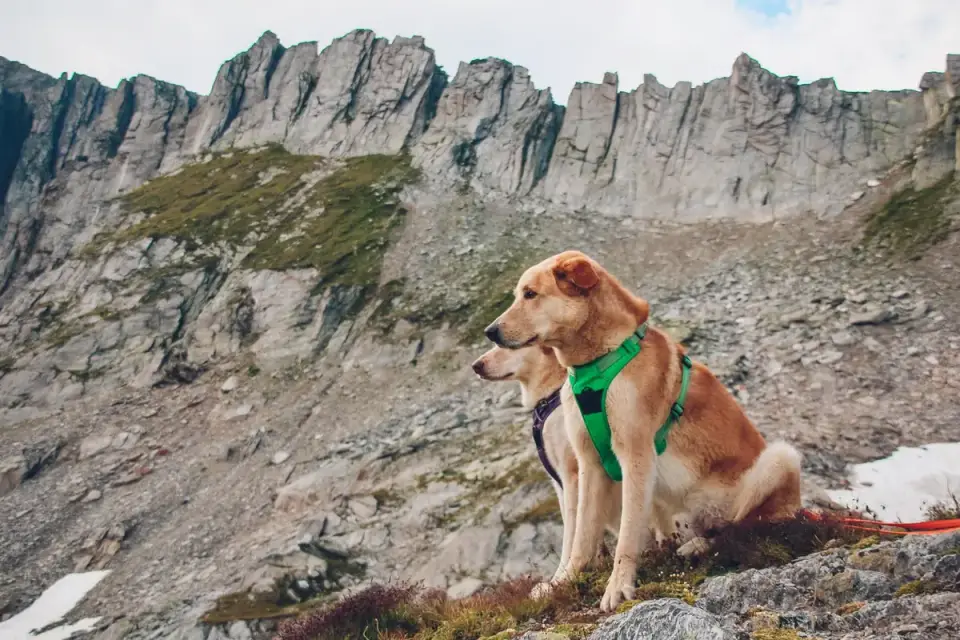
Practice before you go. Load and unload over a plank, settle on a mat while you move around, wait at thresholds, and wear the life jacket on walks so the straps are boring by departure day. A 20-minute mat session twice daily for a week before travel often pays off more than any new gadget.
Cruise with a simple pattern. One person steers while the dog is settled below with a chew or on a short tether with a handler on the well deck, never tied to a rail where a jump could hang them. Slow to idle past moored boats and anglers, moor with engine off before letting the dog ashore on lead, and check bank edges for steep drops, broken glass, and sheep fencing. Rinse paws after muddy towpaths and dry ears in damp weather.
Heat and water deserve a direct note. Canals feel cool, but cabins heat quickly in sun when moored with covers up. Guidance from the RSPCA on keeping dogs cool, hydrated, and never left in a hot enclosed space applies fully to boat cabins. For water behavior, the American Kennel Club notes close supervision around open water, secure entry and exit points, and attention to currents, cold, and water quality — all relevant at locks and marinas.
This paragraph is short on purpose: keep the lead attached until the engine is off.
For context on moving vessels more broadly, the routines in Ferry and Boat Travel With Your Dog: What Actually Works and the packing logic in How to Plan a Cross-Country Road Trip With Your Dog transfer well to canals, while Beach Trips With Your Dog: Safety and Etiquette is useful if your route meets tidal water.
They cruised a quiet arm in October with a 12-year-old, 22-kg retriever with stiff hips, the kind of senior who still lights up for a towpath sniff but pays for stairs later. The usual advice — roof perch, long towpath hikes, up and down the cabin steps — had to bend. The owners laid a runner the full length of the cabin, lifted him in and out with a rear-support harness, moored early each afternoon within 100 meters of a flat grass pound, and cruised only while he napped below on vet-bed. He swam once, briefly, then chose the bank. They covered little ground and called it their best trip.
Where I land, and when I would tell you to wait
If your dog has reliable recall around livestock, settles on a mat, and tolerates novelty without panic, a canal holiday may help support exactly what many house dogs lack: sniff-rich walks, predictable days, and long evenings close to you. If your dog guards tight spaces, scrambles at water, or cannot be separated from you while you work a lock beam, wait a season and train those pieces first. That is not failure. That is expectation first, and it keeps a good dog good.
A brief recap: choose the dog-ready boat, cruise short days, secure the dog for maneuvers, offer fresh water and real shore exercise, and let routine do the heavy lifting.
Frequently asked questions
Can my dog swim in the canal?
Brief paddling from a safe, shallow bank is often fine, but avoid locks, marinas, fast weirs, and any water with green scum or bad odor, and rinse off afterward with fresh water.
Where does my dog toilet on a narrowboat?
Plan lead walks morning and evening plus midday shore stops, carry bags, and use towpath edges or designated bins; do not encourage toileting on decks or roofs.
Should my dog wear a life jacket onboard?
A well-fitted canine life jacket with a handle may help support safer retrieval if a dog falls in, but it does not replace supervision and a short lead during locks and mooring.
Sources
- Boating — Canal & River Trust
- Advice and Welfare: Dogs — RSPCA