On this page
The limitation most owners don’t plan for isn’t the dog’s bladder, and it isn’t the dog’s stomach. It’s the seat.
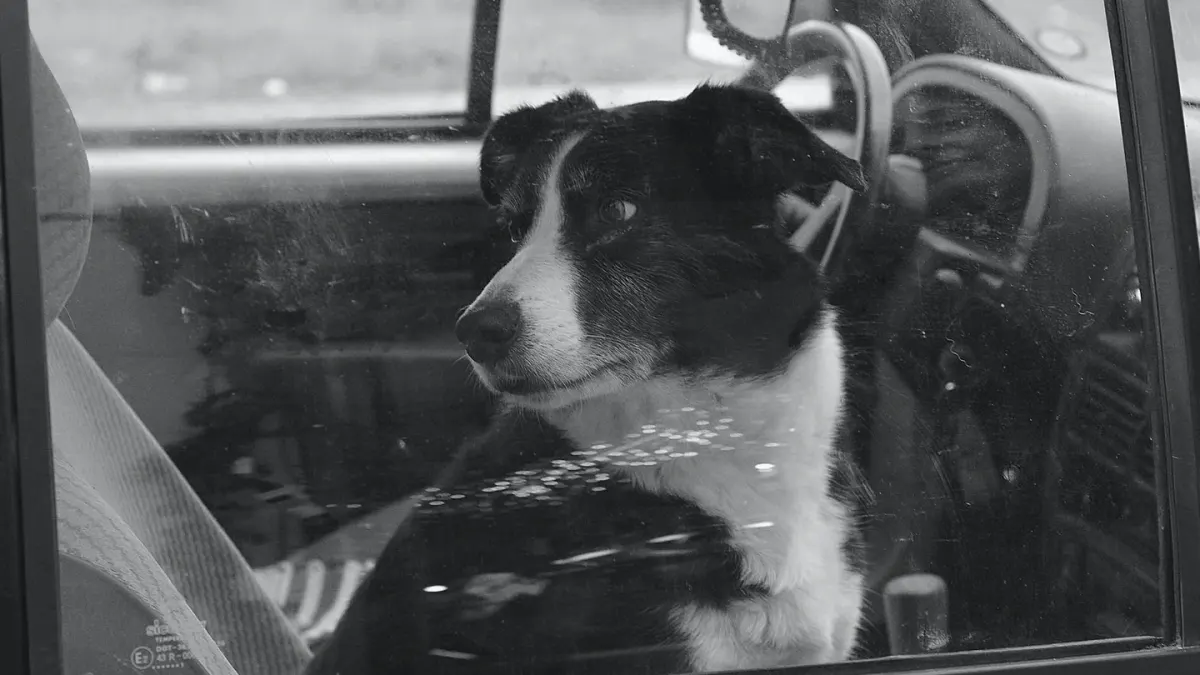
I’ve had more clients ask me about food timing and rest-stop apps than about where the dog actually rides, and that’s backwards. The AVMA’s position is unambiguous: it is unsafe for pets to be loose inside a moving vehicle, and the safest position for any pet is the back seat, properly restrained, with the crate or carrier positioned as near to the vehicle’s center as possible and secured against movement, according to the American Veterinary Medical Association. That single fact should shape almost every other decision you make about a multi-day trip — what carrier you buy, where it sits, and how you build your stop schedule around it.
Myth: a harness clipped to a seatbelt is basically the same as a crash-tested crate. Reality: crash-test data for pet restraints is thin and inconsistent across manufacturers, and “seatbelt-compatible” is not a regulated claim. What is consistent, and backed by the AVMA’s own guidance, is that a stable, centered, secured position beats an unsecured one regardless of the specific product. If you already have a rig your dog tolerates and it can be genuinely locked down, don’t chase a “better” one for its own sake — chase stability.
In my practice, the dogs who struggle most on long drives aren’t the anxious ones — they’re the young ones. I saw this clearly with a nine-month-old Australian Shepherd whose owners were planning a Seattle-to-Denver trip and called ahead because their puppy had vomited on two short car rides already. He weighed about 38 pounds, drooled heavily within ten minutes of the engine starting, and would go quiet and still rather than pace, which the owners had mistaken for calm. His vestibular system was still maturing, which is common in young dogs and usually improves with age and repeated short exposures. We built a plan around an empty stomach before departure, a forward-facing crate near the center of the back seat, and cool air on his face, and by the third day of the trip the drooling had mostly resolved.
What a Long Drive Actually Does to a Dog’s Body
Motion sickness in dogs traces back to the inner ear’s vestibular system, which connects to the brainstem’s vomiting center; when the visual field, inner ear signals, and body position disagree — as they do when a dog watches scenery pass while its body sits still — the mismatch can trigger nausea, drooling, and vomiting, per the Merck Veterinary Manual. This is more common in young dogs whose vestibular systems haven’t fully matured, and fear or anxiety about the car itself can compound it, sometimes triggering signs even before the vehicle moves.
That mechanism is why the standard advice — withhold food for several hours before departure, keep the cabin cool, and orient the dog forward rather than side-facing — actually works: it reduces gastric load and visual-vestibular conflict at the same time, rather than treating them as separate problems. For dogs with a documented history of carsickness, maropitant citrate is an FDA-approved option that a veterinarian can prescribe ahead of a trip; it is not something to start cold on day one of a cross-country drive without having tried it on a short local drive first.
The Sequence I Walk Owners Through Before Departure
Before you load the car, work through this in order, not all at once the night before:
- Book a pre-trip veterinary visit two to four weeks out to confirm your dog is fit to travel and current on core protection for the region you’re driving through.
- Confirm rabies vaccination status and carry the certificate — it’s required for dogs over three to four months old in all states, and some destinations or campgrounds will ask to see it, per American Veterinary Medical Association.
- Do a handful of short local drives in the actual restraint system you’ll use for the trip, not a substitute.
- Update ID tags and confirm the microchip registration reflects a phone number you’ll actually answer mid-trip.
- Pack food for the full trip rather than assuming you’ll find the same bag at a gas station in another state — GI upset from a sudden diet change is a common and avoidable travel complaint.
None of that is glamorous. It’s also the difference between a trip that goes smoothly and one that gets derailed by a vomiting dog outside Amarillo.
Building the Stop Schedule Around the Dog, Not the Map
Plan to stop roughly every two hours for a real break — water, a bathroom stretch, and a few minutes out of the crate — rather than pushing to the next big city, according to the American Veterinary Medical Association. Never leave a dog alone in a parked car during any of these stops; on an 80°F day, interior temperatures can climb to 114°F within thirty minutes, which is fast enough to catch owners who step away “just for a minute.” If you’re stopping for a meal, plan for one person to stay with the dog or find pet-friendly seating rather than treating the crate as a babysitter.
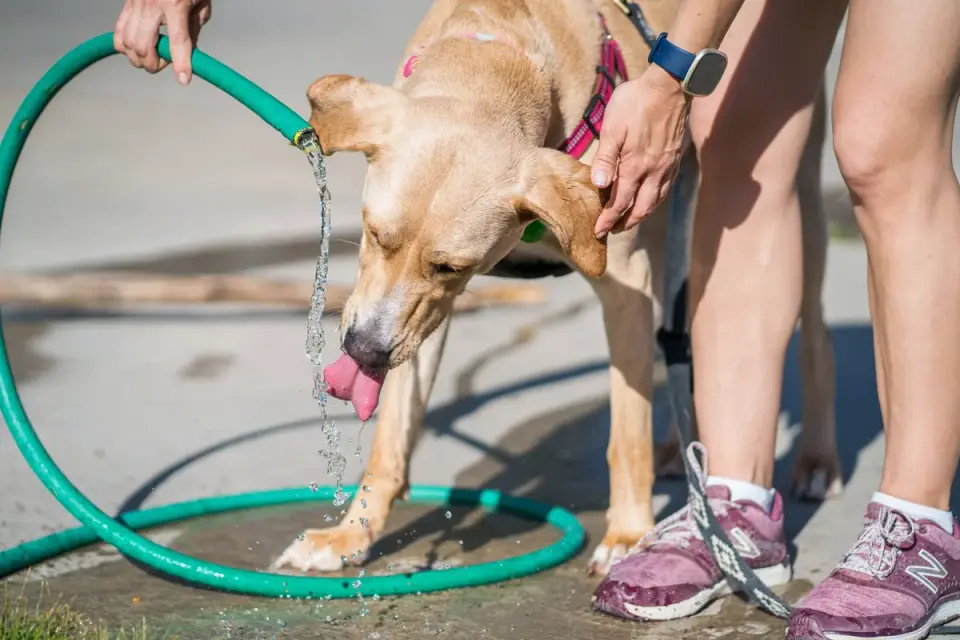
If your route crosses several states in a single push, break the two-hour rule into a loose rhythm rather than a rigid clock — a dog who’s sleeping soundly doesn’t need to be woken at exactly 120 minutes, but one who’s restless, panting, or whining shouldn’t wait for the next scheduled exit either. This is also a good moment to check tags, top off water, and glance at paws if you’ve been driving through hot pavement stretches. For multi-dog households, the logistics compound fast enough that it’s worth reading through our guide on how to road trip with two dogs at once before you finalize a schedule built for one.
Where I Land, and the Trade-Off I Won’t Pretend Away
My honest recommendation is a secured, centered crate over a harness-and-seatbelt setup for any trip longer than a couple of hours, paired with a two-hour stop rhythm and a pre-trip vet visit. The counterargument I hear most is that a harness is lighter, cheaper, and lets the dog sit up and see the owner — all true, and for a dog who genuinely struggles in a crate, a well-fitted harness secured to a rated anchor point is a reasonable compromise over doing nothing. I still land on the crate for most dogs because the stability argument is the one with the clearest safety backing, and because a dog who’s practiced riding in a secured crate on short trips tends to settle faster on the long one.
I think about that Australian Shepherd every time I hear an owner say their dog “should be fine” in the back seat with no restraint at all. He wasn’t fine on the first two short drives. He was fine by day three of a real trip, because the owners built in the boring parts — empty stomach, cool air, a crate that didn’t slide around — before they ever hit the interstate. If your travel plans include flights instead of, or in addition to, driving legs, it’s worth reviewing airline pet policies and, if your dog will fly in-cabin or as checked baggage, what to look for in an airline-approved carrier well before booking.
Bottom line: decide where the dog rides and how it’s secured before you plan anything else — the stop schedule, the food, and the motion-sickness plan all follow from that one decision.
Frequently asked questions
How often should I stop on a road trip with my dog?
Roughly every two hours for water, a bathroom break, and a few minutes outside the crate, adjusting for how restless or settled your dog seems.
Can I prevent my dog's carsickness without medication?
Withholding food for several hours before departure, keeping the cabin cool, and using a forward-facing, secured position often reduces mild motion sickness; for dogs with a history of vomiting on drives, ask a veterinarian about options like maropitant citrate.
Is a harness seatbelt attachment safe enough for a cross-country trip?
It can be a reasonable option for dogs who won't tolerate a crate, but a secured, centered crate has the clearer safety backing for longer drives.
Sources
- Traveling with your animal — American Veterinary Medical Association
- Motion Sickness in Dogs - Dog Owners — Merck Veterinary Manual