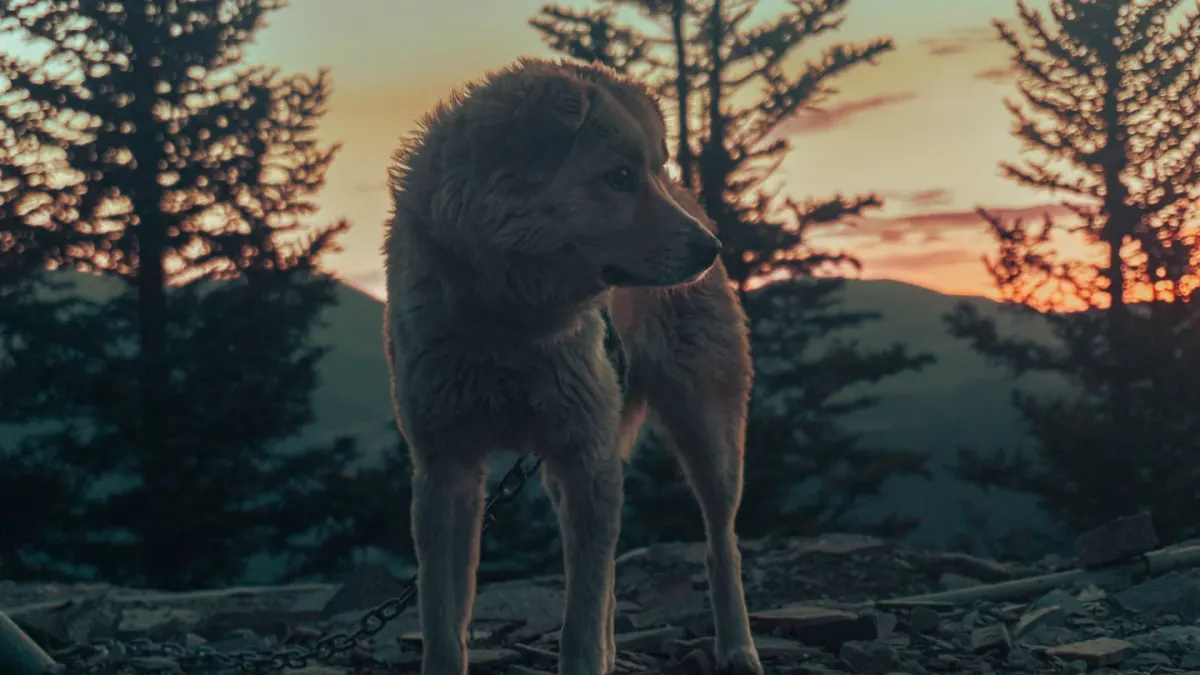
Planning a national park trip with your dog starts with one surprise: most parks are not very dog-friendly once you leave the parking lot. Plan your national park visit around your dog’s limits, and you’ll both enjoy the trip more.
I counsel clients to expect this baseline up front. Dogs are generally welcome in developed areas like campgrounds, paved roads, and picnic areas, but they are usually not allowed on trails, in wilderness, or in park buildings. The Pets in National Parks guidance explains the pattern and why leash rules, typically six feet or less, apply wherever dogs are allowed.
A 4-year-old, 52-pound mixed-breed dog came in for a pre-trip check last spring before a five-day loop through Utah. Her owners had mapped sunrise hikes and slot canyons, assuming she could join every mile. We pulled up each park’s pet page together and counted only two short paved walks where she was actually allowed on the itinerary they loved. They kept the reservation but added a shaded campground base, a midday rest plan, and a boarding day for the longest backcountry hike. Her panting in heat had worried them before, and that reset kept her comfortable.
The boundary most visitors miss
National parks protect wildlife, fragile soils, and very crowded trails. Dogs, even well-behaved dogs, change that equation with scent, sound, and chase behavior. That is why restrictions feel strict compared with national forests or state parks.
The myth I hear most often is that a quiet, friendly dog will be fine on any trail if no one complains. In reality, rangers do enforce pet closures, heat and wildlife risks build quickly, and a single off-leash encounter can close access for everyone. Expect developed-area access first, then treat any dog-friendly trail as a bonus.
If you want the kind of trip where your dog is included most of the day, look beyond the big-name parks. Many national recreation areas, park parkways, and nearby public lands allow far more miles with dogs. You will trade the iconic backcountry view for a calmer day together, and for many dogs that is the kinder choice.
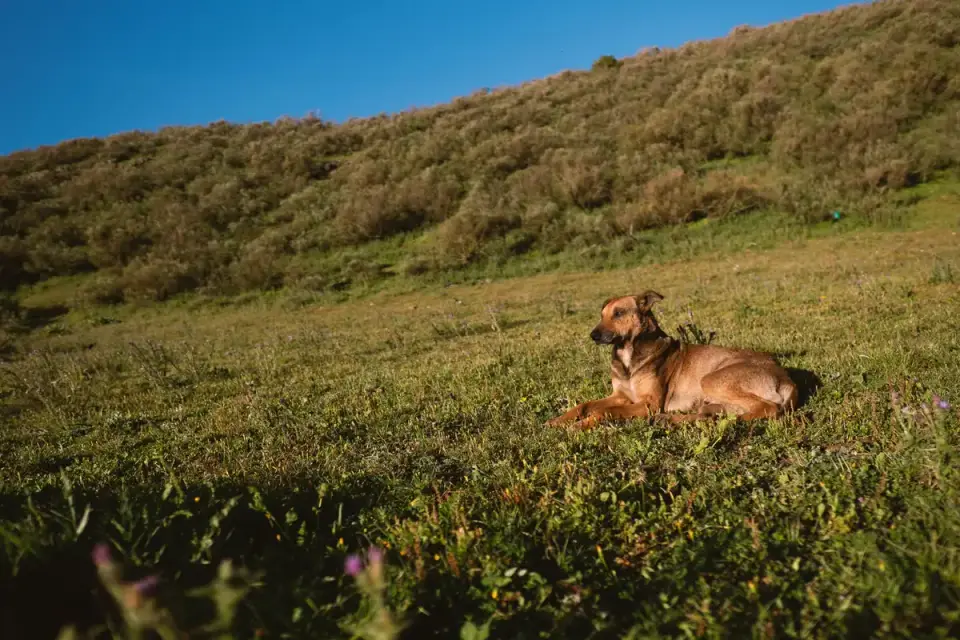
A sequence that keeps stress low
I like a simple order: park rules, lodging reality, then health and heat planning. It prevents the most common mistake, which is booking a nonrefundable cabin before checking the pet policy.
Start with the specific park’s pet page, not a travel blog. Rules vary widely by park, and seasonal closures change. Then call your lodging to confirm weight limits, unattended-pet rules, and whether your dog can stay alone in a vehicle or room — most parks prohibit leaving pets unattended in cars and limit it at campsites. Our guide to How to Plan a Cross-Country Road Trip With Your Dog can help you map driving breaks around those stops.
A couple with a 9-month-old beagle learned this the hard way on a three-night fall trip. They had planned four long overlook hikes in a row, with the puppy waiting in shifts at the trailhead. By the second afternoon she was whining in the crate, skipping meals, and mouthing the leash on every walk. They scrapped the third hike, swapped in a short paved loop and a sniffy rest morning at camp, and she ate normally that evening. Less mileage gave them a better dog.
Pack for structure and comfort: flat collar with ID, secure six-foot leash, water plus a collapsible bowl, regular food, waste bags, shade cloth or sun shade, a familiar bed, and any preventive medications on schedule. Practice low-stress handling for parking-lot greetings and crowded viewpoints. Dogs that can settle on a mat may help support calmer behavior while you eat lunch or wait for a shuttle.
Heat deserves its own check. Pavement, slickrock, and open overlooks run hotter than the air temperature, and brachycephalic breeds, seniors, and puppies lose heat less efficiently. Our Beach Trips With Your Dog: Safety and Etiquette piece reviews the same hot-surface and hydration cues that matter in parks. Plan walks for early morning, watch for heavy panting or lagging behind, and cut the day short without guilt.
When the usual advice has to bend
Sometimes the best park plan is to leave your dog out of the park for part of the day. That stings to hear, but it is often the preventive choice.
The BARK Ranger Program is a helpful middle ground where it is offered. Dogs earn recognition for bagging waste, staying leashed, respecting wildlife, and knowing where they can go. It does not open closed trails, and not every park participates, yet it gives kids and first-time visitors a clear job to do in the areas dogs can enjoy.
An owner of a 12-year-old, 18-pound terrier mix with a heart murmur wanted one last mountain trip covering 1.5 miles of paved overlook path. The usual advice — longer morning hike, then rest — did not fit his exercise intolerance and cough at night. We bent the plan instead: drive-up viewpoints only, a wagon for distance, ten-minute sniff stops, and afternoons back at the air-conditioned rental with his regular meal routine. He finished the half-mile evening loop with a loose leash and slept soundly, which was the real goal.
My recommendation is expectation first. Choose one or two parks with clear dog-friendly options, build rest into every day, and have a backup for heat or crowds. You may be trading summit photos for picnic-area naps.
The doubt I hear — will my dog feel left out if we do less — usually fades by day two. Most traveling dogs settle faster with predictable meals, familiar bedding, and shorter outings. A smaller, well-planned loop often supports steadier appetite, softer eyes, and easier evenings than a packed itinerary ever could.
Frequently asked questions
Can dogs hike on trails in national parks?
Usually no. Most national parks restrict dogs to developed areas like campgrounds, paved roads, and picnic areas. Always check the specific park's pet page before you go.
What is the BARK Ranger program?
A voluntary program at participating parks that rewards responsible pet behavior — bagging waste, leashing, respecting wildlife, and staying in allowed areas. It does not open closed trails.
What should I pack for a national park visit with a dog?
ID tags, six-foot leash, water and bowl, regular food, waste bags, shade, a familiar bed, and any medications. Add a mat for settle practice and a heat plan for midday.
Sources
- Pets in National Parks — National Park Service
- BARK Ranger Program — National Park Service