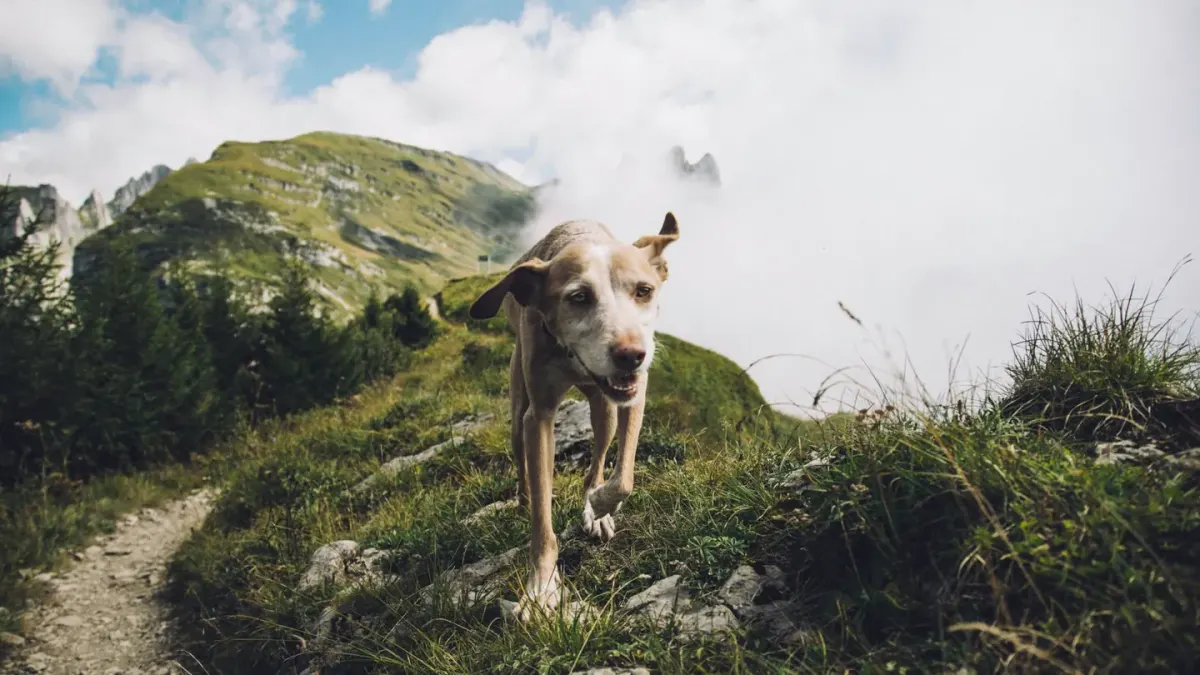
Planning around a sensitive stomach starts long before you load the car, because digestive upset shrinks every other choice you make on the road.
I think about a counseling visit last spring with a 4-year-old, 48-pound mixed-breed dog who vomited foam on every car ride over 40 minutes and had soft stool with any food change. His owners wanted to drive six hours to the mountains in one push. We mapped a different decision: same kibble measured in a travel scoop, no new treats, a vet recheck for baseline weight and stool, plus a planned overnight halfway. By day 2 on that rehearsal schedule, his morning stool was formed and he settled in his crate without drooling. That rehearsal told us what the real itinerary had to be.
My position is simple and preventive: keep everything boring on purpose. Same food, same amounts, same meal times, shorter drive legs, and lodging you can clean quickly may help support normal digestive function far better than a new sensitive-stomach bag bought the night before.
The limit that decides the whole itinerary
The surprising limitation is recovery time. At home a skipped meal or loose stool resolves with a quiet evening. On a trip, that same episode means finding a vet clinic, cleaning a rental carpet, and driving with a nauseated dog who cannot tell you what hurts.
Use this checklist as your go/no-go filter:
- Vet baseline within the last month, with current diet, weight, stool pattern, and motion-sickness history noted
- Exact food packed for every meal plus two extra days, pre-portioned with your home scoop
- Water plan: bring home water for the first 48 hours and a familiar bowl
- Drive legs under 3 hours with sniff-and-potty breaks, crate or restraint tested at home
- Lodging with hard floors or washable covers, ground-floor access, and a late check-out option
- A written flare plan: what to feed, when to call your vet, and where the nearest emergency clinic is
That baseline is your trip insurance.
Expectation first: travel does not improve gut tolerance. Motion, heat, excitement, missed meals, rich treats, table scraps, lake water, and disrupted sleep can all change stool consistency in sensitive dogs. Planning guidance from AVMA reminds owners to secure health records, confirm lodging and destination rules, and plan for confinement and identification before travel, which matters twice as much when any dietary slip can trigger a bad night. For detail on keeping meals consistent, review Feeding Your Dog on a Road Trip: What to Know before you pack a single treat bag.
Myth vs. reality: vacation food is not the fix
The myth says a sensitive stomach just needs blander vacation food. The reality I see in practice is different: most flares follow change itself, not one bad ingredient.
Another pattern I see is the well-meaning food swap. One family with a 6-year-old, 22-pound terrier mix told me they switched to a rich, grain-free recipe three days before a beach weekend because the bag promised gentle digestion. They meant well, and travel treats piled on top. By the second morning of the trip, the dog skipped breakfast, passed loose stool three times before noon, and spent the afternoon asking to go out. They cut the trip short and fed the old diet in small meals. Within three days back home, appetite and stool normalized. The lesson stuck: novelty right before travel rarely helps.
Repeated vomiting, bloody stool, lethargy, abdominal pain, or diarrhea that does not resolve warrants prompt veterinary care rather than watchful waiting, as outlined by VCA Hospitals. Low-stress handling during travel — familiar crate bedding, quiet feeding spots away from lobby traffic, and predictable potty timing — may help support normal gut motility because stress behavior and gut behavior track together.
The strongest counterargument sounds fun: let the dog live a little on vacation, share pup cups and local treats, keep driving to make miles. I understand the pull. Still, I land on sameness because sensitive systems learn through repetition. One rich chew can cost you two days of itinerary.
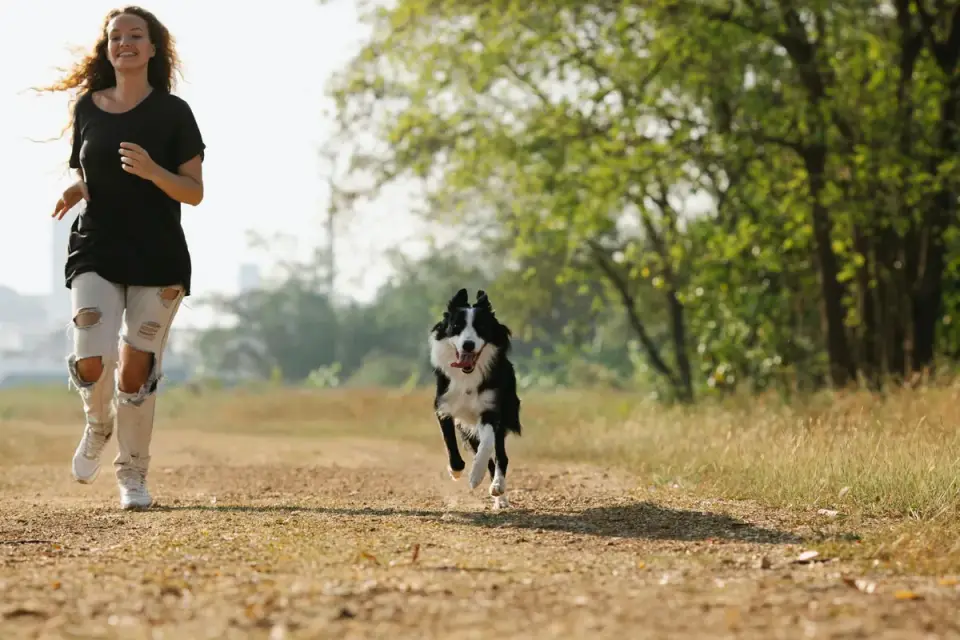
A low-stress sequence that keeps digestion steady
Build the trip around the gut, then add the fun.
Start with a rehearsal weekend two to three weeks out. Feed the exact travel menu, drive your planned daily distance, and sleep somewhere new if you can. Track appetite, stool form, drooling, lip-licking, and restlessness. If stool softens or breakfast gets skipped, shorten the legs before you book nonrefundable lodging.
Keep meals dull by design. Pack the regular diet, measure with the home scoop, feed on home-clock time, and skip new proteins, dental chews, and rawhide on the road. A consistent fiber intake from the usual diet may help support normal stool consistency, while abrupt additions tend to backfire. For pacing breaks, map your stops with How Often Should You Stop on a Road Trip With a Dog? and pair meals with water offers using How to Keep Your Dog Hydrated on a Long Drive.
Then there is the edge case owners miss: water and routine, not food. I counseled on a 9-year-old, 14-pound senior dog who ate the same diet on a lake trip yet developed soft stool and nighttime restlessness. Nothing new had been fed. What changed was well water at the cabin, late meals after long hikes, and only one potty walk before bed. We adjusted to bottled water from home for drinking, kept meals on home-clock time, and added a short evening sniff walk. By day 4, stool firmed and she slept through the night. Sensitive systems notice schedule shifts as much as ingredient shifts.
Book for cleanup, not for photos. Ground-floor rooms near an exit, washable crate pads, enzyme cleaner, extra sheets, and a car setup that limits pacing all lower stress for you and your dog. If you need help with the car piece, see How to Stop Your Dog From Moving Around in the Car.
What would your current itinerary look like if you cut drive days in half and kept every meal exactly the same?
Frequently asked questions
Should I switch to a sensitive-stomach food before traveling?
In most cases, no. Keep the diet your dog already tolerates well, pack extra portions, and discuss any diet change with your veterinarian weeks before travel rather than days before.
How long should drive legs be for a dog with a sensitive stomach?
Shorter is kinder. Aim for breaks every 2 to 3 hours for potty, water, and movement, and test your planned daily distance on a rehearsal drive before the real trip.
When should I call a vet on the road?
Call promptly for repeated vomiting, bloody stool or vomit, marked lethargy, abdominal pain, refusal to drink, or diarrhea that does not improve. Bring your home diet list, vaccine records, and your regular clinic's contact information.
Sources
- Traveling with Your Pet — AVMA
- Vomiting in Dogs — VCA Hospitals