On this page
I counseled an adopter last spring weighing a lakeside cabin weekend just nine days after bringing home a 3-year-old, 48-pound mixed-breed dog. At home he was still startle-panting at the dishwasher, skipping meals until midnight, and shadowing doorways rather than settling on a bed. She wanted the trip to bond, which I understood, and we mapped the decision to one observable baseline: could he eat, sleep, and recover from a startle within minutes at home. By day 10 he still could not, with lip-licking and pacing for an hour after visitors left. We postponed the overnight and chose neighborhood walks instead.
That is the surprising limitation with a new rescue: travel does not accelerate adjustment, it audits it. A dog who cannot yet settle at home will rarely settle in a rental, a busy trailhead, or a car for six hours.
Your go or pause checklist for the first 6 weeks
Use this as your planning filter before you book anything nonrefundable:
- Home baseline: eating regular meals, sleeping through household noise, and recovering after startles within a few minutes for at least 7 steady days
- Handling baseline: walks on leash without panic, accepts harness and collar, and can settle on a mat for 10-15 minutes
- Car baseline: rides calmly for 20-30 minutes without drooling, whining, panting, or attempts to climb forward
- Health baseline: post-adoption exam completed, vaccines and parasite screening current, ID tag and microchip information updated
- Containment plan: crash-tested restraint or secured crate fitted, plus a quiet confinement option at the destination
- Exit plan: you can cancel, shorten, or drive home early without guilt if stress signs stack up
If you cannot check most of those boxes, plan a staycation routine instead of a trip. That is preventive care, not pessimism.
Myth vs. reality: more adventure will help them decompress faster
The myth sounds kind: a big hike, beach day, or road trip will wash away shelter stress and help you bond. In practice, novelty stacks. New smells, strange dogs, car motion, disrupted feeding times, and broken sleep routines all draw from the same coping reserve.
Reality is quieter. Most rescues need repetition more than variety in the first three to four weeks — same feeding spot, same walking loop, same sleep area, same calm cues from you. Predictability may help support normal digestion, restful sleep, and learning, which is exactly what makes later travel enjoyable.
Expectation first: assume your dog will behave on the road like the least-settled version of what you see at home, not the best.
A practical sequence that puts baseline first
Start with health and identification. Schedule that post-adoption exam early, confirm vaccine status and parasite prevention, and ask what paperwork to carry for boarding or state-line travel. The American Veterinary Medical Association outlines health certificates, ID, restraint, and heat safety as travel foundations, and that checklist is worth following even for a short drive.
Then build travel skills in layers. I walk clients through getting your adopted dog comfortable in the car before any overnight, with short, treat-paired sessions that end before stress escalates. Pair that with practice in how often to stop on a road trip with a dog so you learn your dog’s restroom and rest rhythm close to home.
We tried the fast version with a 2-year-old, 35-pound terrier mix whose adopter hoped a four-hour drive to family would double as socialization. Three weeks in, car practice still ended with whining by minute 15 and refusal to take treats, which told us arousal was already over threshold. She drove anyway, hoping open windows and a dog park stop would settle him. He panted the entire ride, vomited once, then paced and barked at the rental until 2 a.m. and skipped breakfast. Cutting the visit to one night helped, but the reset at home took another full week of short walks and hand-fed meals.
That failed approach taught the same lesson I repeat in the exam room. Motion plus novelty rarely calms a dog who cannot yet recover at home.
Food and water routines come next. Keep the same diet, same feeding times, and familiar bowls, and review feeding your dog on a road trip so you do not introduce new treats or rich chews on travel day. Appetite is your early signal. A dog who eats eagerly at home but sniffs and walks away on the road is telling you stress is rising.
Choose a first trip you can shrink. A single night within an hour of home beats a cross-country plan while you are still learning. If you are dreaming bigger, use how to plan a cross-country road trip with your dog as a future template, not a first-month goal. Book pet-friendly lodging with ground-floor access, a quiet corner for a crate, and nearby low-traffic walking routes. Avoid festivals, off-leash beaches, crowded patios, and long restaurant waits for now.
Timing is the trip.
What I recommend, and the tradeoff I will not sugarcoat
My recommendation is clear: wait until you have at least two to three steady weeks of eating, sleeping, and easy recovery at home, then start with a short, flexible, dog-centered overnight. That timeline may help support housetraining, leash skills, and trust, and it gives you real data for bigger plans.
The strongest counterargument is fair: some adopters have pre-paid travel, family obligations, or live far from support and cannot simply pause. Delaying can feel like missing a bonding window.
I still land on delay or downscale because stress behaviors rehearsed on a trip — escape attempts, vocalizing in a rental, lunging on leash — are harder to unwind than a changed reservation. The ASPCA emphasizes gradual introductions, routine, and safe confinement when bringing home a new dog, and travel works best when it extends that routine rather than interrupting it.
An edge case changed how I apply this. An adopter of a 5-year-old, 62-pound hound mix had rock-solid home behavior by day 18 — eating twice daily, sleeping through the night, loose-leash walking past traffic. The car was the outlier. She could ride for 40 minutes beautifully, then drool and yawn repeatedly on hour two without recovery at rest stops. We kept home life adventurous and travel boring: same state park loop, same motel room layout, departure after breakfast, return before dark. By week six she held a two-hour ride with one water break and settled on her mat within five minutes of arrival.
Novelty was not the problem. Duration was.
If you must travel early, bring home with you: unwashed bedding, the same food and water bowls, a chew routine your dog already knows, and a written schedule for feeding, walks, and rest. Keep days short, keep expectations low, and let the dog opt out. A skipped hike that preserves appetite and sleep is a successful trip.
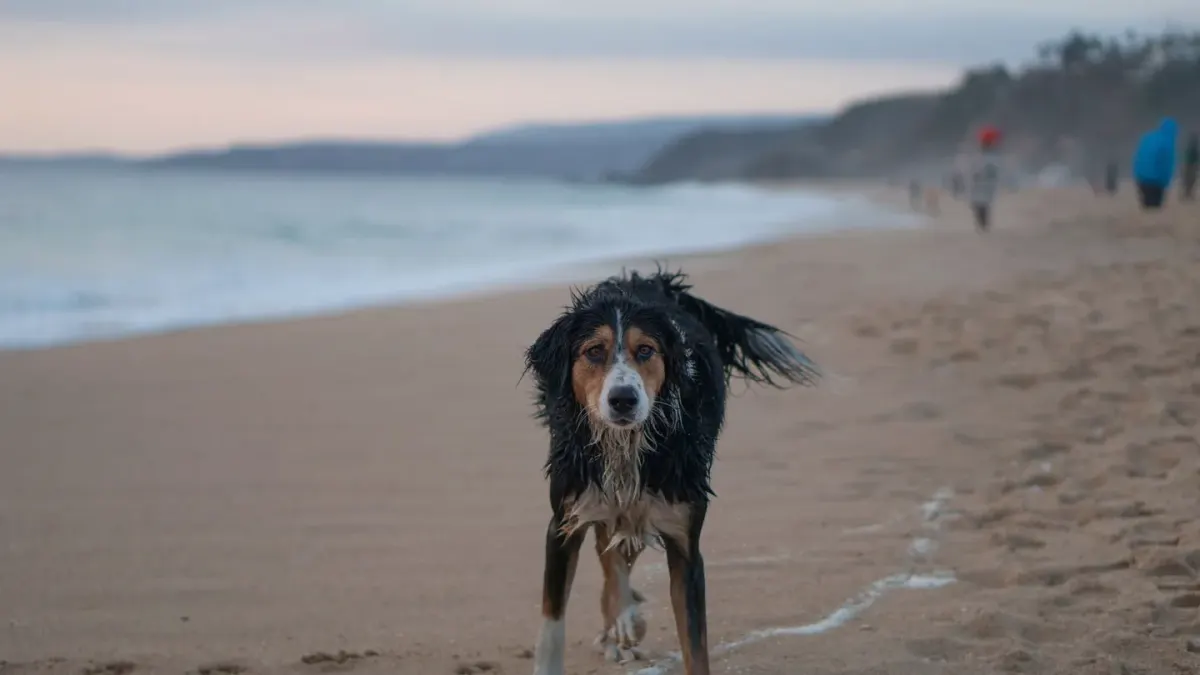
You will get the beach sunset and the mountain trail. Build the baseline first, and your rescue can actually enjoy them with you.
Sources
- Traveling with Your Pet — American Veterinary Medical Association
- General Dog Care — ASPCA