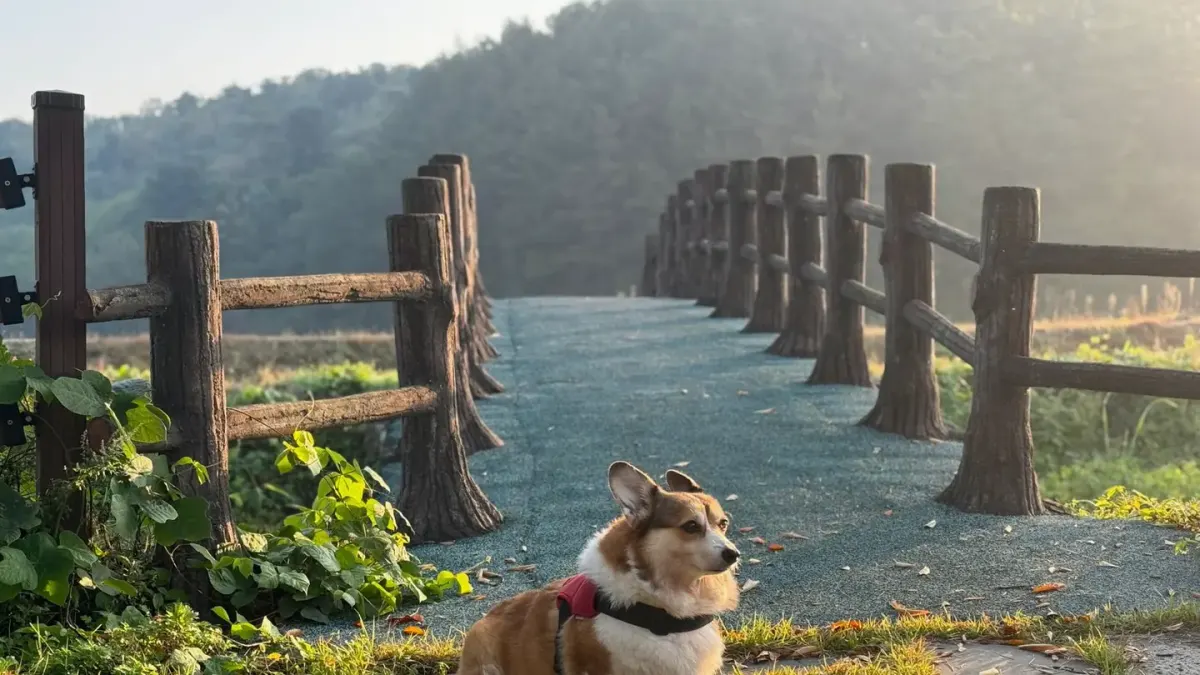
Last December an owner I counsel mapped a lake-cabin weekend for herself and her 4-year-old, 48-pound mixed-breed dog, a sturdy trail buddy who shivers when he stands still. She had booked a pet-friendly cabin for December 18-20, packed his usual kibble and a fleece blanket, and assumed his thick coat would handle brief outdoor breaks. Two days before departure the forecast shifted to 19°F with wind and freezing rain along the pass, and her question changed from what to pack to whether his paws, belly, and overnight potty routine could handle three nights of that cold without becoming miserable or unsafe.
The surprising limitation is not mileage, it is daylight and temperature margin. Winter shrinks your safe operating window on both ends, and dogs lose heat faster when they are wet, windy, under-fueled, or standing on ice melt. My position after years of preventive counseling is simple: plan a winter road trip around your dog’s cold tolerance first, then fit the drive inside it. That baseline-first approach may help support steadier energy, calmer behavior, and fewer urgent stops, and I still recommend it even when it means a shorter driving day or a less scenic route.
Myth vs. reality: a thick coat does not mean winter-proof
The myth is that pet-friendly means winter-ready, and that a fluffy or young dog can shake off cold like a summer rain. Reality is more individual. Puppies, seniors, small and short-coated breeds, lean athletes, and dogs with arthritis or heart disease often chill faster, while even northern breeds can struggle with paw irritation from salt, cracked pads, belly chill, or damp bedding. The American Veterinary Medical Association notes that cold tolerance varies and that owners should limit exposure, watch for shivering and ice on paws, and protect against antifreeze and de-icers.
Expectation first: most healthy adult dogs do well with short, active outdoor time in winter and warm recovery breaks, not long idle exposure. If you are seeing tucked posture, lifted paws, whining at the door, or a reluctance to keep walking, believe the behavior and warm up early.
The second morning of a planned ski-town trip, an owner tried to stick to her summer routine with her 9-year-old, 22-pound beagle mix: one long walk before checkout, then a straight four-hour push home. The temperature was 24°F, the sidewalk was salted, and after about ten minutes the dog started hopping, licking his front paws, and sitting down mid-block. She carried him two blocks back, rinsed his paws in lukewarm water, found a cracked outer pad, and spent the next two rest stops doing five-minute sniff walks instead of one big loop. She made it home later than planned, but the shorter pattern kept him moving comfortably.
That tradeoff is the point. One ambitious walk often costs you the rest of the day.

The practical sequence for cold-weather miles
Think in loops, not legs. Dogs stay warmer when they move briefly, eat on schedule, drink normally, and return to a dry, draft-free car or room.
Set the car as a warm base camp. Use a secured crate or harness, a washable nonslip mat, and a dry blanket that stays behind for bedding rather than doubling as an outdoor coat. Keep the leash, towel, paw balm or booties, and a spare sweater by the door you will open, not buried in the trunk. Crack ventilation without creating a wind tunnel, and never leave a dog alone in a cold car while you go inside to eat; interior temperatures can drop fast.
Plan stops for light and shelter. Winter rest areas can be icy, poorly lit, and heavy with road salt. Aim for daylight potty breaks every 2-3 hours, choose grass or cleared snow over salted pavement when you can, and keep stops brisk and businesslike. For more on timing, see How Often Should You Stop on a Road Trip With a Dog? and Managing Potty Breaks on a Road Trip With Your Dog.
Cold changes the details, not the whole routine.
Feed and water like it is winter. Some dogs drink less on the road, especially when water is very cold or the bowl is unfamiliar. Offer small amounts often, bring water from home if your dog is picky, and keep meals consistent to support normal digestion and energy. If appetite or thirst drops for more than a day, call your veterinarian rather than pushing mileage. For feeding logistics, see Feeding Your Dog on a Road Trip: What to Know and for drinking strategies see How to Keep Your Dog Hydrated on a Long Drive.
Where the usual advice has to bend
Night driving, mountain passes, and power outages are where winter plans flex. On a 340-mile return from her parents’ house, an owner traveling with her 6-month-old, 31-pound doodle puppy realized the interstate was icing faster than predicted and the next pet-friendly hotel was already full. Instead of pushing through, she exited early, parked under lights, gave a five-minute leashed potty break on a snow berm away from traffic, toweled paws and belly dry, and took the last available ground-floor room at a motel one exit back. She fed half the dinner, offered water, did a second quick outing before bed, and finished the drive in daylight the next morning.
That is the realistic timeline: expect at least one night where the plan changes. Book refundable lodging, save two backup options offline, keep medications, food for an extra day, and a printed vaccine record in the cab, and confirm that your emergency vet contact works without cell service.
Pack for paws, skin, and visibility. Paw balm or well-fitted booties, a drying towel, an insulating layer for small or short-coated dogs, a reflective leash and collar light, and extra poop bags cover most winter friction. Rinse salt after walks, check between toes, and air-dry bedding fully so your dog is not sleeping damp. The American Kennel Club similarly recommends wiping paws, using dog-safe ice melt at home, and keeping winter gear fitted and dry.
If your dog shivers hard, seems stiff, develops pale gums, vomits, or becomes unusually lethargic, warm gradually and seek veterinary care promptly rather than waiting it out at a rest stop.
Frequently asked questions
How cold is too cold for a dog on a road trip?
It depends on size, coat, age, and health. Watch for shivering, lifted paws, or reluctance to walk, keep outdoor time short in freezing wind or wet conditions, and warm up early.
Should my dog wear booties or a coat in winter?
Many small, short-coated, senior, or salt-sensitive dogs benefit from an insulating layer and paw protection. Keep gear well-fitted, dry, and introduced before the trip.
How often should we stop in winter?
Plan daylight breaks every 2-3 hours for potty, water, and movement, keep stops brisk on ice or salted pavement, and dry paws and belly before reloading.
Sources
- Cold-Weather Pet Safety — American Veterinary Medical Association