On this page
A dog can hold urine for hours at home and still have an accident at the airport, and that mismatch catches owners off guard. The bladder is elastic, but urgency is driven by pressure receptors, habit, hydration, movement, and arousal — not just time since the last walk. Add noise, new smells, confinement in a carrier, and interrupted routine, and many dogs either will not go when offered or cannot wait when you need them to. My recommendation is expectation first: build the day around two planned outdoor voids plus one indoor backup stop, rather than hoping for one perfect break.
A family traveling with a 4-year-old, 18-pound Cavalier mix learned this on a morning connection through Denver. They had parked, checked bags, and cleared security in 55 minutes, then faced a 2.5-hour layover before a three-hour flight. The dog paced, sniffed, and squatted twice without producing urine near the crowded concourse, tail low and ears back. The owner worried the no-grass terminal meant no options, and debated skipping the indoor relief room to stay near the gate. They chose a 12-minute detour to the post-security relief area, where quiet turf and a low wall finally allowed a full void before boarding.
The myth is more time, the reality is more permission
The common myth says a long walk before the airport banks enough empty-bladder time to skip breaks inside. In practice, exercise increases water turnover and bowel motility, and excitement can trigger more frequent small urinations. The American Veterinary Medical Association notes that travel planning should account for confinement, routine disruption, and access to water and potty stops, which is exactly why airport day needs its own schedule.
That schedule rests on simple physiology. Antidiuretic hormone conserves water when a dog is resting, while activity, panting, drinking, and stress hormones shift output. A nervous dog may pant, drink more, then need to urinate sooner. Another nervous dog may shut down and refuse to eliminate on concrete, turf, or near jet noise. Both responses are normal. Planning for bathroom breaks means supporting normal elimination behavior with low-stress handling, familiar cues, and enough unhurried minutes to sniff and circle.
Map the voids before you map the coffee
Start with three anchor points: home or hotel, pre-security outside the terminal, and post-security inside. Offer water early, then walk 15 to 20 minutes at the first two anchors. Keep the leash loose, allow sniffing, use the same cue the dog knows, and reward calmly after voiding. The U.S. Department of Transportation explains federal expectations around service-animal relief areas in airports, which helps owners understand why indoor relief rooms exist and where to ask for directions.
In practice, that means checking the airport map the night before, saving the relief-area locations on a phone, and adding 20 to 30 minutes to the connection plan for a detour. For dogs in carriers, plan to reassemble the setup after each break: absorbent liner, waste bags, wipes, and a spare pad. If the dog did not urinate before security, do not wait until boarding to try again.
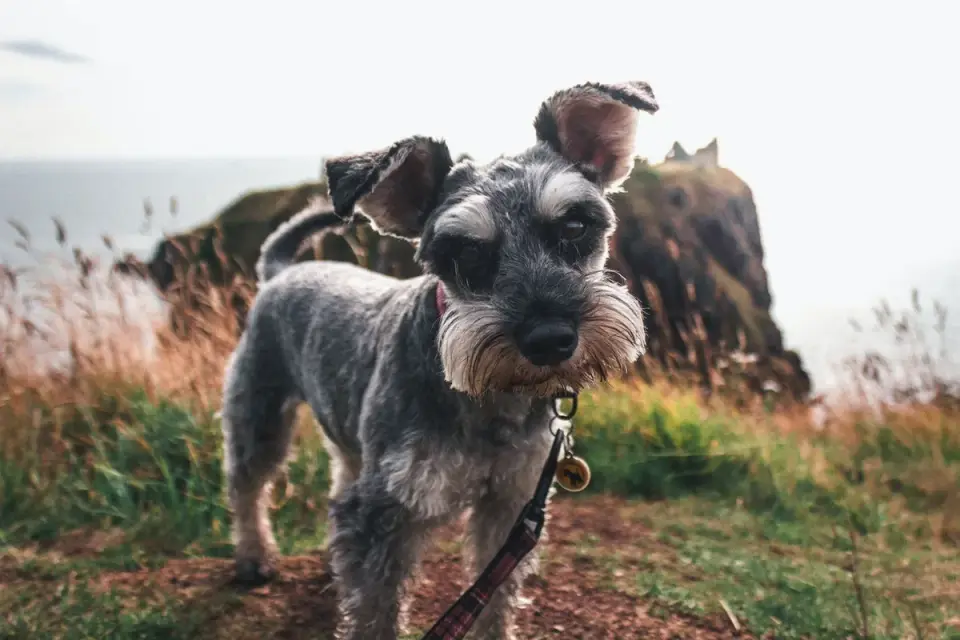
A traveler with a lanky 2-year-old Shepherd mix tried to power through a tight 48-minute connection by skipping the relief room near the tram. The dog had voided curbside four hours earlier, then held position under the seat on the first leg without whining. Between gates the owner jogged nearly 400 feet past restrooms and a marked relief-area sign, hoping speed would prevent an accident. Under the fluorescent lights at the new gate, the dog circled, sniffed the wheel of a stroller, and leaked a small puddle before squatting fully. A longer layover with a planned indoor stop would have supported bladder comfort better than speed alone.
Use an indoor relief area without making it stressful
Indoor areas vary widely: artificial turf, real grass, drainage grate, hose, waste bags, sink, and often a door button that is heavy for a small dog on leash. Expect odor, echo, and another dog entering mid-visit. Keep it preventive and brief. Enter, let the dog sniff for a minute, step to the side to give space, offer the cue once, and wait quietly. Rushing, crowding over the dog, or pulling toward the turf may help support tension rather than relaxation, so stillness helps more than coaxing.
Hygiene matters for the next dog too. Bag stool, use the hose or watering can if provided, wash hands, and wipe paws if the surface was wet. If the dog will not go after five to seven unhurried minutes, leave calmly and try again in 45 to 60 minutes rather than forcing repeated cues. For puppies, seniors, dogs with urinary history, or dogs on diuretics, shorten that interval and talk with a veterinarian before travel about baseline needs and low-stress handling. International arrivals add another layer, because entry rules affect where and when a dog can exit; the Centers for Disease Control and Prevention outlines current dog import requirements that can change terminal timing.
For context on the broader trip, it helps to review Airline Pet Policies: What to Check Before You Book and Airport Pet Relief Areas: How They Work before choosing flights with realistic connections.
When the usual outdoor-first plan has to bend
Short connections, weather delays, mobility limits, or a dog that will only eliminate on grass can break the ideal sequence. The adjustment is simple: flip the order and protect the last opportunity closest to boarding.
An owner flying home with an 11-month-old terrier adopted three weeks earlier faced exactly that bend during a ground-delay day. The puppy knew sidewalk grass at home but froze on wet concrete outside the departure terminal, belly low and tail tucked through two brief outings. Instead of repeating the same curb loop, the owner moved inside, requested the enclosed relief room, placed a familiar pad over a corner of turf, turned sideways to reduce pressure, and waited without talking. The puppy sniffed for nearly four minutes, then urinated and defecated in sequence. They cleaned the space, reset the carrier liner, and boarded with 18 minutes to spare.
That tradeoff is honest. Indoor turf is not ideal for every dog, and an extra stop costs gate time. But a calm, successful void supports comfort for confinement far better than holding a full bladder through another flight.
What would change my advice is stronger evidence that most pet dogs reliably use indoor airport surfaces without acclimation. Current experience suggests many need practice. A week of short turf, grate, and noisy-environment rehearsals at home may help support familiarity, and realistic timelines matter more than perfect equipment. Plan two outdoor tries, one indoor try, extra liner supplies, and a connection that allows the detour. Learn more about timing longer drives in Managing Potty Breaks on a Road Trip With Your Dog.
Frequently asked questions
How often should I offer a bathroom break at the airport?
Offer a walk before leaving for the airport, again outside the terminal, and once more inside after security. If the layover exceeds two to three hours, add another indoor try every one to two hours for puppies, seniors, and small breeds.
What if my dog will not use an indoor relief area?
Give five to seven quiet minutes, then leave and retry later. Avoid pulling, crowding, or repeating the cue. A familiar pad, extra sniff time, and standing sideways to reduce pressure may help support relaxation.
Should I limit water to prevent accidents?
Do not withhold water to stretch bladder time. Offer normal small drinks, walk proactively after drinking, and line the carrier with an absorbent pad for safety.
Sources
- Traveling with Pets — American Veterinary Medical Association
- Service Animals — U.S. Department of Transportation
- Bringing a Dog into the United States — Centers for Disease Control and Prevention