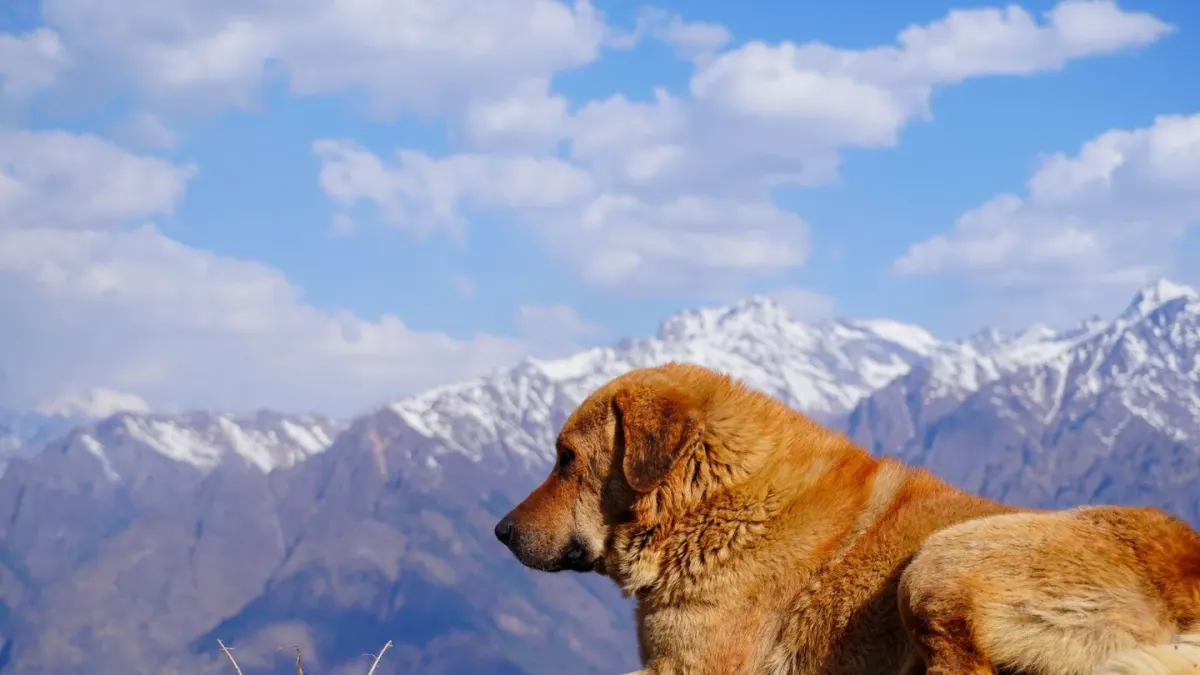
A family with a 6-month-old mixed-breed puppy wanted to drive to the trailhead, but every 15-minute ride ended the same way. The puppy would yawn, lip-lick, drool across the back seat, then vomit just as they pulled into the parking lot. They wondered if longer trips would ever be possible, and whether anything natural could help settle his stomach without starting medication on day one. Vets often see this exact pattern in young dogs, and the counseling starts with expectation first: natural steps may help support comfort and calmer travel behavior, but they do not rewire the inner ear overnight.
The surprising limitation is that most natural remedies do not stop motion sickness directly. Motion sickness starts when the vestibular system senses movement that the eyes and body do not expect, and that mismatch can trigger nausea, drooling, and vomiting. Guidance from VCA Hospitals explains why young dogs are more prone to it and why conditioning and ride setup matter as much as any supplement. Natural care works around the edges by supporting a settled stomach, lower stress, and a smoother ride while the brain learns that the car predicts good things.
What natural really means on moving days
Natural does not mean doing nothing. It means changing what you can control: timing of meals, air and temperature, visual stability, driving style, and how the dog learns to feel about the car.
Keep it preventive and keep timelines realistic. Many puppies improve with age and repeated neutral exposure, yet some adolescent and adult dogs stay sensitive. The Merck Veterinary Manual notes that motion sickness is common and that desensitization plus veterinary guidance helps determine next steps when signs persist. Think in weeks of short practice, not one heroic road trip.
A couple keeps trying ginger chews before a 40-mile lake drive with their 2-year-old, 48-pound Lab mix, hoping a stronger dose will fix the drool. They give the chew, wait ten minutes, then load up and drive straight through winding hills with the windows shut and the heat on. By mile 18 the dog is panting, drooling in ropes, and finally vomits on a blanket. The tradeoff is clear in hindsight: the supplement got all the credit and all the blame, while timing, airflow, fasting, restraint, and route choice did the real work. In practice, owners who lean only on one chew often miss that an empty-but-not-starved stomach and cooler moving air may help support steadier travel.
Sorting motion from nerves before you change anything
Drool is not a diagnosis. Excitement, heat, anxiety, and true motion nausea can look alike, and the fix is different for each.
Watch the sequence. True motion sickness often builds in a pattern: quieting, yawning, lip-licking, swallowing, drooling, then vomiting on curves, stops, or after 10 to 20 minutes. Anxiety often starts earlier, at keys, harness, or driveway, with panting, whining, pacing, or refusal to load. Heat adds heavy panting and restlessness that eases with cool air. For help telling them apart, read Drooling in the Car: Car Sickness or Anxiety? before buying anything.
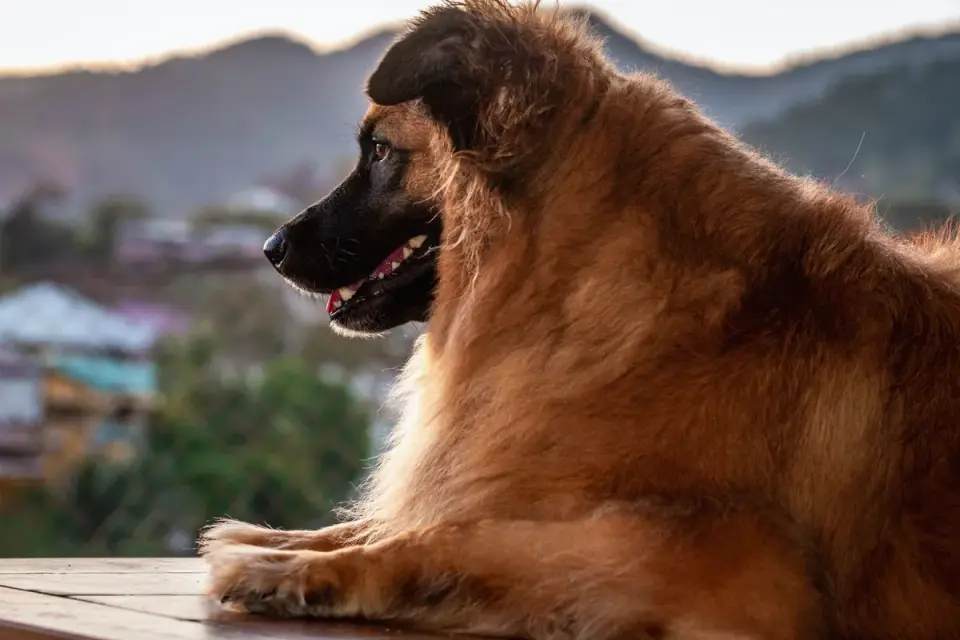
A calm-ride sequence that actually fits travel day
This is where my recommendation lands: build short, boring wins first, then add gentle stomach and stress support around that baseline.
Start with the car parked. Feed treats for hopping in, sitting on a secured blanket, and hopping out. Keep sessions under five minutes. Then add engine on without moving, then a trip around the block, then four short practice rides across one week that end at a park or a sniff walk, not only the vet clinic.
On travel day, feed a light meal three to four hours before departure rather than a full breakfast right before loading. Bring water, plan a potty stop, and keep the car cool with cracked windows or steady air conditioning. Use smooth starts, gentle braking, and slower curves. Secure the dog in a tested restraint or ventilated crate so the body is not sliding, and learn more in Dog Car Seat Belt vs Crate vs Barrier: Which Restraint Is Safest?.
Face forward matters. A middle-row spot with a slightly raised but stable bed can limit side-window flicker, which bothers some dogs. Avoid dangling toys and strong air fresheners. A familiar blanket, a chew for licking, and a calm voice may help support settled behavior without crowding the dog.
Ginger and other herbal options come up often. Some owners report they may help support digestive comfort, but evidence in dogs is limited and products vary widely. Do not guess at amounts, human travel candies, or essential oils, which can irritate or be unsafe. If you want to try a calming supplement or pheromone product, choose a plain, pet-labeled option and discuss timing with your veterinarian, especially for puppies, small breeds, or dogs on other medications.
That plan has to bend sometimes. An owner of a 9-year-old beagle needs to make a same-day 90-minute vet referral drive after three vomit-free months on short routes. There is no time for a training week, so the routine shifts: a light early meal, cool air, a familiar crate pad, a mid-route stop at mile 35 for water and a slow sniff walk, and smooth highway lanes instead of the shorter winding road. The dog still lip-licks twice but arrives without vomiting, and the owner logs what helped for next time. When travel cannot wait, comfort care plus a call to the vet beats forcing a natural-only rule, a point covered further in When to Talk to Your Vet About Your Dog’s Car Sickness.
Medication is not failure. Dogs with frequent vomiting, dehydration risk, or panic despite two to three weeks of steady practice deserve a veterinary conversation about prescription options for nausea or anxiety. Bring notes on age, weight, ride length, meal timing, and exactly when drool or vomit starts.
Small dogs and flat-faced breeds may need extra attention to heat, airflow, and harness fit. Puppies need shorter sessions and realistic timelines, explained more in Do Puppies Outgrow Car Sickness? What Actually Changes With Age.
You can make road days easier without promising a cure.
Frequently asked questions
Should I withhold food before a car ride?
A light meal 3 to 4 hours before travel often sits better than a full meal right before loading. Avoid long fasting in very young puppies without veterinary advice, and bring water plus a planned stop.
Does cracking the windows help dog car sickness?
Cool, fresh air and steady ventilation may help support comfort for many dogs, especially when combined with smooth driving and a stable resting spot. Avoid letting your dog hang its head out the window.
How long does desensitization take?
Many families see steadier rides after several short, positive sessions across 2 to 3 weeks. Progress is rarely linear, so track ride length, meal timing, and when signs start.
Sources
- Motion Sickness in Dogs — VCA Hospitals
- Motion Sickness in Dogs — Merck Veterinary Manual