Traveling with two dogs in one car works when each dog has a fixed, crash-tested spot and a practiced routine. That is my expectation-first counsel, and the evidence supports it: unrestrained movement raises distraction and injury risk, while predictable restraint may help support calmer behavior.
One car, two nervous systems — not just two seats
The surprising limitation is not room. It is arousal contagion.
Dogs co-regulate. When one pants, paces, whines, or braces against motion, the other dog’s sympathetic arousal often rises too. Add engine vibration, visual flow through windows, and intermittent braking, and you get a small feedback loop in a closed cabin. Vets often see this on travel histories: neither dog is severely anxious alone, but together they stay over threshold for the whole drive.
That matters for the gut as well as behavior. Motion-induced nausea, panting-related fluid loss, and skipped meals can leave both dogs restless and less able to settle. A fixed resting place lowers the workload: less bracing, less scanning, less reacting to each stop and turn.
Michele, in Manchester, New Hampshire, learned this with Freddie, her 3-year-old neutered male American Staffordshire Terrier mix. Paired loose on the back seat with a housemate dog, Freddie paced and drooled for the first 40 minutes of every trip. Assigned to opposite sides in secured crates with a frozen chew, both dogs lay down within 15 minutes.
Separation inside the same vehicle is the point.
Myth: good dogs can just share the back seat
The myth is that two friendly dogs will settle together if they love each other at home. Reality is that a vehicle is a different context, with different physics.
In a sudden stop at 30 mph, an unrestrained 50-pound dog becomes a projectile. Crash-testing work summarized by the Center for Pet Safety has repeatedly shown that many generic harnesses and barriers fail under crash forces, which is why independent testing matters more than marketing language. The American Veterinary Medical Association advises securing dogs in well-ventilated crates or with tested restraints and never allowing heads out windows or riding in truck beds.
Two dogs double the problem: they can collide with each other, tangle leashes around headrests, or burst out opposite doors at a gas stop.
My position is direct.
Use two separate, secured systems in one vehicle — never one shared belt, splitter, or loose bench. That is the decision I defend for almost every pair.
What would change my mind? Published crash-test data showing a shared two-dog restraint distributes force safely without entanglement, or controlled behavioral data showing paired loose travel lowers stress markers. That evidence does not exist right now.
The setup sequence I recommend before you drive
Think in zones: each dog gets a defined zone that stays the same every trip.
For most sedans and SUVs, that means two crash-tested crates secured in the cargo area with a solid vehicle barrier between cargo and cabin, or two crash-tested harnesses attached to separate seatbelt points with a center divider. Small dogs can work in secured carriers strapped in with seatbelts. What does not work well for two: one crate for two dogs, long tethers that allow contact, or a hammock alone with no restraint.
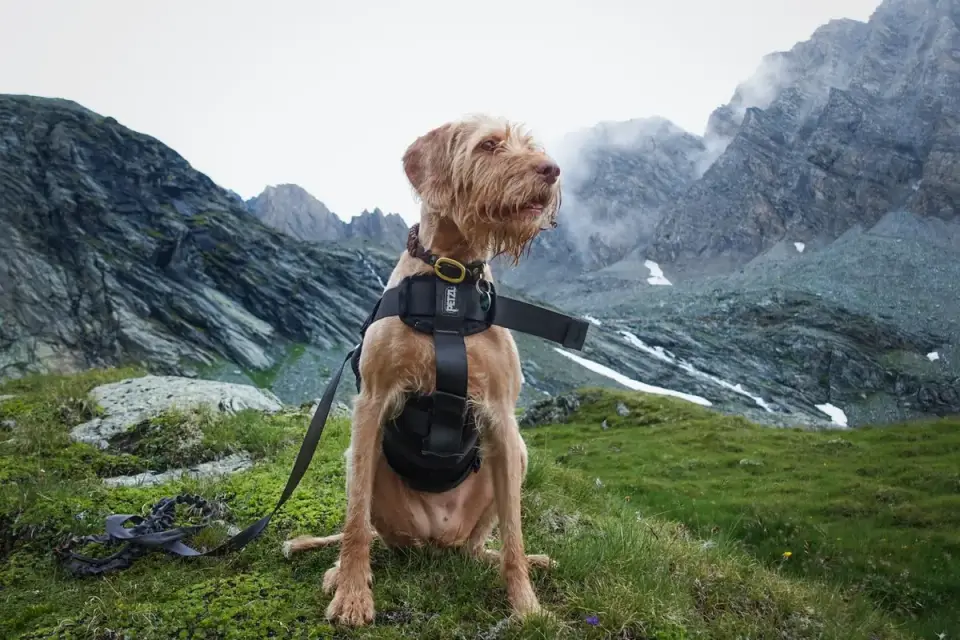
Fit matters more than brand. Measure shoulder height and length, confirm the crate allows standing, turning, and lying in sternal recumbency, and anchor it so it cannot shift. Leave 2-3 inches of airflow on all vented sides and avoid stacking gear against vents. For harnesses, fit to a two-finger check at the chest and condition each dog separately before combining them.
Airflow and temperature need a two-dog plan. Two panting dogs raise cabin humidity and heat faster than one. The National Highway Traffic Safety Administration warns that vehicle interiors heat rapidly even on mild days, and larger or short-nosed dogs are at higher baseline risk. Keep the car running with climate control at every stop, assign one adult to stay with the dogs if you must pause, and place a thermometer at crate level where you can see it.
Practice the pairing at home first. Feed meals in the assigned crate or station for five to seven days, then do short drives with calm departures. Keep it preventive: structure and realistic timelines beat sedation or last-minute training.
On travel day, load in the same order, clip in the same order, and keep leashes on until each restraint is secured. Store records and ID where you can reach them without opening both doors; my checklist for that is Dog ID Tags and Records: How to Prepare Before You Travel and the feeding setup in Collapsible Bowls and Feeding Gear for Traveling Dogs.
Stop every 2-3 hours. Walk dogs separately, offer small amounts of water, then reload in order. Separate short walks prevent fence-fighting at rest areas and give you a clean read on each dog’s baseline behavior, appetite, and stool.
One rule holds the whole trip together.
No free mingling inside the car.
Frequently asked questions
Should two dogs share one large crate in the car?
No. Separate secured crates or harnesses prevent collision, overheating from crowding, and door-darting in opposite directions. Size each space so the dog can stand, turn, and lie down comfortably.
How often should I stop when driving with two dogs?
Plan a leashed, separate walk and water offer every 2-3 hours. If either dog drools heavily, vomits, pants without settling, or refuses treats, stop sooner and reassess ventilation and restraint fit.
Sources
- Pet Carrier and Harness Crash Testing — Center for Pet Safety
- Traveling With Your Pet — American Veterinary Medical Association
- Heatstroke Kills, Look Before You Lock — National Highway Traffic Safety Administration