On this page
The first time a client called me from a rest stop parking lot, it wasn’t about a fender bender or a lost leash. It was about a puppy who’d sniffed one patch of grass for maybe ten seconds and, four days later, was in my exam room with vomiting and bloody diarrhea. That patch of grass had been used by hundreds of dogs that week, none of whom anyone had vaccinated, dewormed, or screened. The etiquette question at a rest stop isn’t really about manners. It’s about exposure.
Why the Grass Strip Is Busier Than It Looks
A rest stop dog area does one job: it lets as many traveling dogs as possible relieve themselves in the smallest footprint the highway department was willing to fence and mow. That efficiency is exactly what makes it a concentrated environment. Canine parvovirus, the pathogen I worry about most in this setting, is shed in feces, survives extreme heat and cold, and persists on grass, pavement, and paws for a long time — the American Veterinary Medical Association notes it spreads through direct contact with infected dogs or with contaminated surfaces, and that it resists routine environmental conditions well past a single afternoon. A rest stop lawn isn’t uniquely dirty by design. It’s just used by more strange dogs, more often, with less oversight, than almost any other patch of ground your dog will stand on this trip.
Myth vs. Reality: What a Leash Actually Buys You
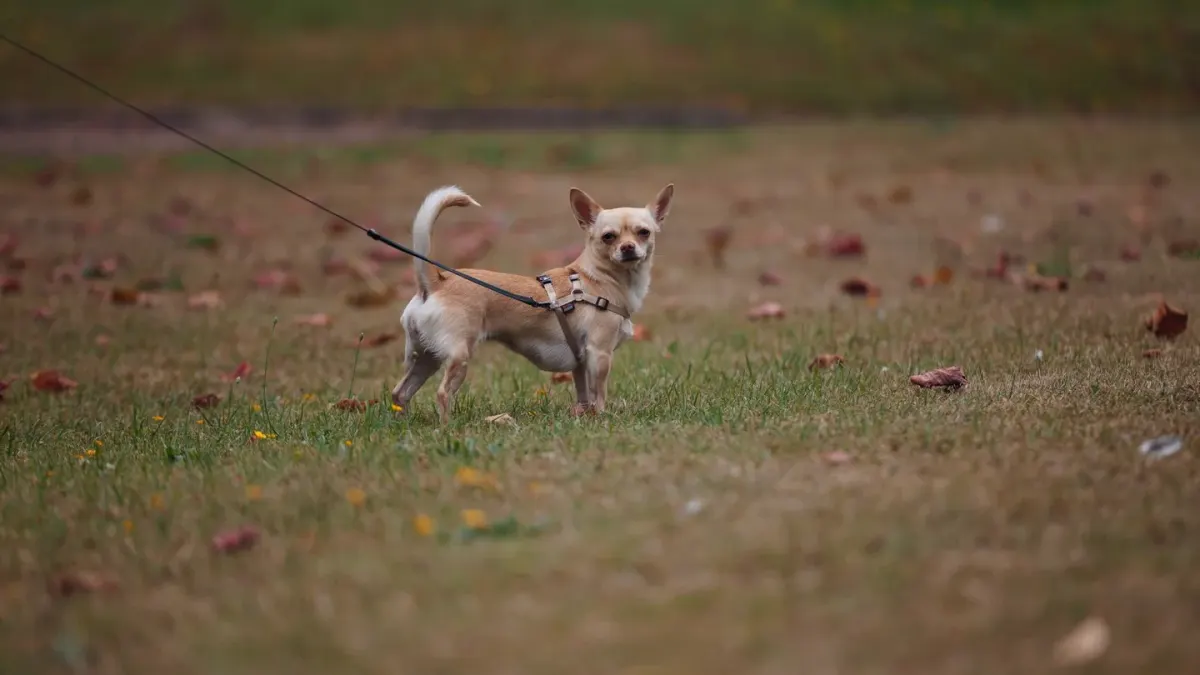
The myth is that a leash is mostly about control — keeping a friendly dog from bolting toward a stranger’s lunch. The reality is that a leash is your only tool for managing where your dog’s nose and paws go in a space you don’t control. Most highway rest areas require dogs to be leashed at all times outside a vehicle, and pet parents are expected to clean up immediately using the provided bags, according to Figo Pet Insurance. Some states go further and write it into law — Massachusetts, for example, requires dogs to be restrained specifically in public highway rest areas, with a penalty attached, per the Animal Legal & Historical Center. A leash won’t stop a dog from smelling a contaminated patch of grass. It will stop your dog from lying down in it, rolling in it, or grabbing a discarded food wrapper off the ground while you’re distracted with coffee.
Building the Actual Sequence: Before, During, and After Each Stop
Here’s the sequence I walk clients through, built around the shape of the trip rather than a single rule.
Before you ever pull off the highway. Confirm your dog’s core vaccines are current, especially if you’re traveling with a puppy who hasn’t finished the parvovirus series — that’s a scenario worth planning around in detail, and our guide on how to travel with a puppy for the first time walks through the timing. Pack your own water and a collapsible bowl so your dog isn’t drinking from a shared community bowl at the stop; see our breakdown of collapsible bowls and feeding gear for traveling dogs if you haven’t picked one yet.
During the stop itself. Keep the leash short on the walk from the car to the grass, let your dog relieve itself in the designated pet area rather than near picnic tables or building entrances, and clean up immediately. Avoid letting your dog approach other dogs at all — rest stops are not the place for a friendly greeting, no matter how well-socialized your dog is normally. If you’re traveling with a dog who struggles with new environments, our guide to how to travel with a reactive dog has specific handling notes that apply directly here.
After you’re back in the car. Wipe your dog’s paws before they settle back onto the seat or crate liner, and offer water again — dogs sometimes drink less than usual while traveling because of stress, so don’t assume a full bowl means enough hydration. General guidance from Wag! puts stop frequency at roughly every two to four hours for most adult dogs, shorter for puppies and seniors, which lines up with what I recommend to clients regardless of the dog’s age.
A Longer Stop I Remember, and Why It Changed How I Advise Clients
I had a client with a seven-month-old Cavalier King Charles Spaniel, about eighteen pounds, driving from Ohio to Tennessee for a family visit. The puppy was two vaccines into the parvovirus series, not yet finished, and the owner had done everything else right — she’d packed water, brought her own bowl, and even called ahead about pet policies. What she hadn’t planned for was a twenty-minute stretch break at a crowded interstate rest stop where her dog got to sniff, and briefly lie down in, a patch of grass near the entrance that dozens of other dogs had used that same morning. Five days later the puppy was lethargic, wouldn’t eat, and had soft stool with a small amount of blood. She tested positive for parvovirus and spent three days on IV fluids and supportive care before she came home. The owner didn’t do anything reckless. She just didn’t know that an unfinished vaccine series changes the math on which stops are worth the risk, and for how long each one should last.
That case is why I now tell clients to treat rest stop time as a variable, not a fixed ritual — shorter and more controlled for a dog who isn’t fully vaccinated, more relaxed once that protection is established.
What I’d Skip Even If It’s Convenient
I don’t recommend using the same pet relief area for a snack break where your dog eats off the ground or where you let a young puppy linger for extended play. Convenience is not the same as safety here, and the trade-off is small: a few extra minutes at a quieter stop, or a short walk on pavement instead of grass, costs you almost nothing compared to a week of IV fluids. Keeping your dog on a predictable rhythm for eating, walking, and rest also matters on longer trips, and our guide on how to keep your dog on its routine while traveling covers how to hold that structure together across multiple travel days.

Where I Land
I’m not going to tell you to skip rest stops. Dogs need the break as much as the humans in the car do, and a dog who’s been crated or confined for four hours without a bathroom break or a stretch is its own kind of welfare problem. My actual position is narrower: treat the rest stop grass strip as shared, unmanaged ground, leash your dog the entire time, keep contact with other dogs and their waste to zero, and adjust how cautious you are based on your dog’s vaccine status and age. The strongest counterargument I hear is that most dogs who visit rest stops never get sick, and that’s true — but the ones who do usually weren’t doing anything unusual, they just hadn’t finished their shots yet or happened to be there on a bad week. I’d rather my clients build the habit before it matters than learn it the way that Cavalier’s owner did. Plan your stops like you plan your fuel — regular, brief, and a little more careful than instinct suggests.
Frequently asked questions
Is it safe to let my dog walk on rest stop grass?
It can be, but treat it as shared, unmanaged ground. Keep your dog leashed, avoid contact with other dogs, and be extra cautious if your dog is a puppy still finishing its vaccine series or is otherwise immune-compromised.
How often should I stop for my dog on a road trip?
Most adult dogs do well with a break every two to four hours; puppies and senior dogs typically need shorter intervals. Watch your dog's individual signs of restlessness or discomfort rather than sticking rigidly to a schedule.
Should I bring my own water bowl to rest stops?
Yes. Shared community bowls at rest stops can pass along illness between dogs. A collapsible bowl and your own water source is a simple way to reduce that exposure.
Sources
- Canine parvovirus — American Veterinary Medical Association
- Locating dog friendly rest stops — Figo Pet Insurance
- MA - Leash - § 174B. Restraint of dogs in public highway rest areas; penalty — Animal Legal & Historical Center
- How Often Should You Stop with a Dog in The Car? — Wag!