On this page
Travelling with a nervous rescue dog goes better when you plan for triggers, pacing, and exit options first. I counsel owners to set the baseline expectation first: travel rarely calms a worried dog, but a predictable routine may help support calmer behavior on the road.
The surprising limitation is this: you cannot desensitize on the day of travel. If your dog pants, freezes, lip-licks, yawns repeatedly, or refuses treats in the car at home, that same behavior will likely look bigger at a noisy rest stop or in a strange rental. Plan for the dog you have, not the dog you hope appears after mile 50.
Your go / slow-down checklist — scan this first:
- Vet baseline 2–4 weeks out: health certificate needs, motion sickness history, ID and vaccines
- Trigger map: car loading, confinement, noise, strangers, novel surfaces, being left alone
- Crate and restraint rehearsal at home before you add motion
- Route built for exits: stops every 2–3 hours, quiet lodging, ground-floor room if possible
- Pack the familiar: same food, chew, blanket, water routine, plus extra slip lead and cleaning kit
- Daily pacing rule: one new challenge at a time, with decompression walks built in
- A turn-back plan: when to skip the restaurant patio, trail, or lobby and choose rest
A 3-year-old, 42-pound mixed-breed rescue adopted in late March had only lived indoors for six weeks when her owners planned a lakeside weekend. At home she followed well on quiet streets but froze at the open hatchback, pupils wide, tail tucked, and would not take chicken. They weighed skipping the trip against pushing through. We chose a test instead: five short driveway sessions with the engine off, crate door open, and meals fed near the bumper. By day 9 she was hopping in for breakfast, climbing from a 20-second stay to a relaxed 4-minute chew inside the parked car. That small, dated timeline told us she could travel with support, but only on a drive-first, patio-later itinerary.
The part no packing list fixes
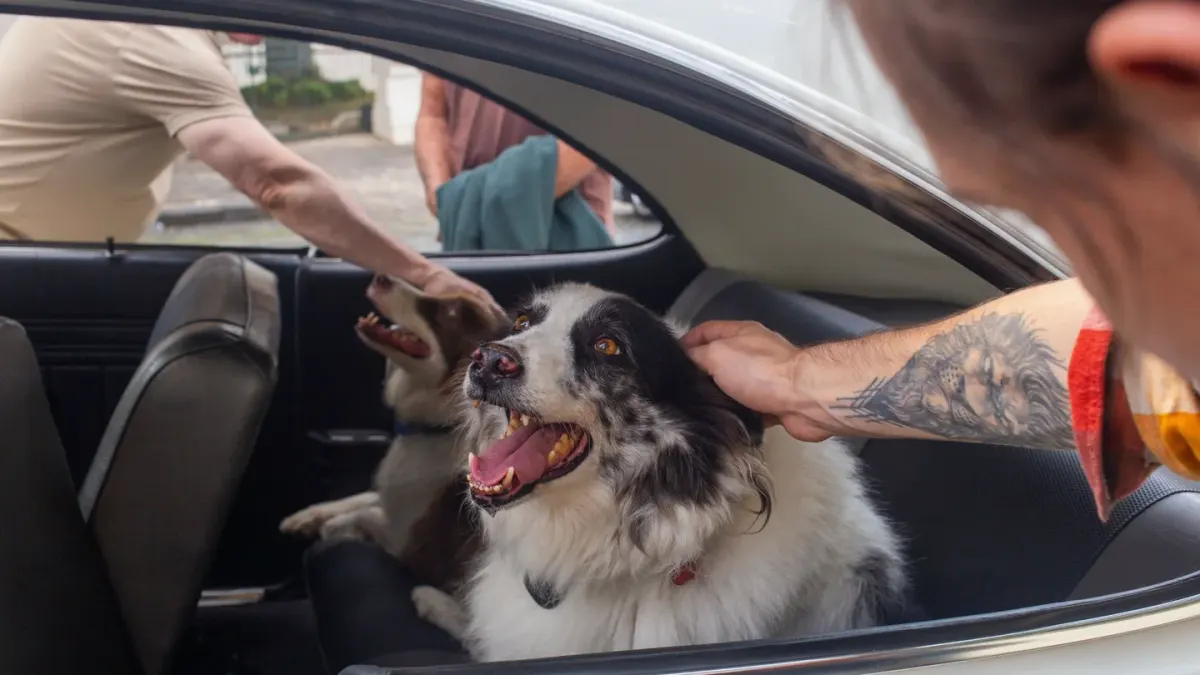
Novelty stacks. Engine vibration plus a tight crate plus diesel smells plus a stranger leaning in to coo can push a sensitive dog over threshold even if each piece alone seems mild. That is why the American Veterinary Medical Association emphasizes secure restraint, ventilation, ID, and planning stops rather than relying on gear alone.
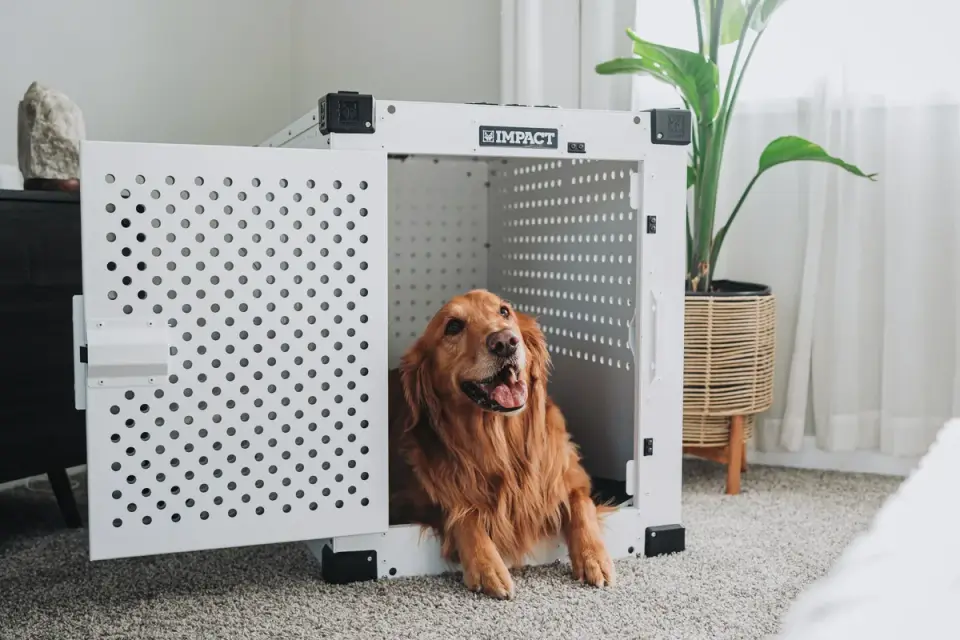
Expectation first: your job is not to make travel exciting. Your job is to make it boring and predictable. Same loading cue. Same blanket. Same quiet chew. Short practice drives before the real one. For step-by-step car work, keep Step-by-Step: Desensitizing a Nervous Dog to the Car open alongside this guide.
Myth: a tired dog travels calm
The myth says a long run before departure will settle nerves. Reality: physical fatigue without mental predictability often leaves a rescue dog wired and less able to cope. A sniffy 20-minute decompression walk in a familiar place usually supports settled behavior better than an intense fetch session at a new park.
What actually helps is rehearsal. Feed one meal a day in the parked crate for a week. Practice brief alone-time in your lodging-style setup — bathroom breaks while the dog rests with a food-stuffed toy behind a closed door. Load, drive around the block, unload, done. If you are new to this, Getting Started With Dog Travel: A Practical Prep Guide lays out booking and packing basics so you can focus here on behavior pacing.
A 5-year-old, 18-pound terrier mix did great on short town drives but fell apart on the highway. His owners tried the common failed approach: a single 6-hour push with one fuel stop, windows down, radio up, hoping he would sleep it off. He did not. He drooled, whined for 90 minutes, then refused to urinate at two rest areas and paced all of their first of 3 nights in the rental. The tradeoff became clear on the return leg. They split the same 340-mile route into two days, stopped every 75 minutes for sniff breaks, fed half-meals on the tailgate, and skipped the crowded dinner stop for takeout. He still panted at merges, but he drank, eliminated, and settled in the crate within 10 minutes at the hotel.
Build the trip around exits
Choose car over air when you can. Ground travel lets you control timing, sound, and escape routes. If you must fly, read Airline Pet Policies: What to Check Before You Book and Airport Pet Relief Areas: How They Work early, because a nervous dog who struggles with confinement or crowds may find cabin or cargo travel overwhelming.
Book for quiet. Ask for a ground-floor room near an exterior door, away from elevators and ice machines. Call about stairwells, flooring, and alone-dog policies rather than assuming pet-friendly means low-stress. The ASPCA notes the value of secure leashing, updated ID, and avoiding unattended dogs in vehicles — all higher stakes for a dog who startles.
Keep health-adjacent support in structure/function terms. A familiar feeding schedule may help support normal digestion during change. A consistent chew routine may help support self-directed calm in the crate. Calming supplements marketed for travel may help support relaxation, but timelines vary and evidence is mixed — trial anything new at home weeks ahead and review the plan with your veterinarian. The National Center for Complementary and Integrative Health summary on valerian, for example, shows why cautious, vet-guided expectations matter more than label promises.
An owner of a 7-month-old, 55-pound shepherd mix learned where usual advice has to bend during a 180-mile family visit. Standard guidance said crate in the quiet bedroom and let him adjust. He instead barrier-frustration barked, pawed the door, and mouthed the crate bars for 25 minutes. She changed the plan. She moved his open crate into the corner of the lived-in kitchen, tethered for safety, gave a long-lasting chew, and let him observe without being approached. She shortened the stay to one overnight, added a pre-dinner sniff walk, and slept nearby on the couch. He still startled at the dishwasher, but his rest stretched from broken 15-minute naps to a steady 2-hour evening settle.
A sequence that holds up
Day before: confirm vet records, pack meds in original containers, freeze a couple of enrichment toys, pre-portion food plus 25% extra.
Departure: exercise lightly in a known spot, load with the same cue and reward, secure the crate or harness, crack ventilation, and leave early enough to avoid rushing.
En route: keep voices low, stop before agitation climbs, offer water and a brief sniff walk, then reload without lingering at chaotic fuel islands.
Arrival: let the dog sniff the perimeter on leash, set up the crate with the home blanket before unpacking, then do nothing for 30 minutes.
Short, steady beats. That rhythm supports learning far better than a packed itinerary.
For related context, read Getting Started With Dog Travel: A Practical Prep Guide.
For related context, read How to Get an Adopted Rescue Dog Comfortable in the Car.
Frequently asked questions
Should a nervous rescue dog travel by car or plane?
Car travel is usually easier to pace because you control stops, sound, and exits. Air travel adds confinement, crowds, and strict schedules that can overwhelm a sensitive dog.
How far ahead should I prepare?
Start 2–4 weeks out with a vet check, ID review, and short crate and car rehearsals at home. Save the travel week for maintenance, not first exposures.
What should I pack specifically for anxiety?
Pack familiar food and bedding, a long-lasting chew, extra leash and cleaning supplies, and any vet-approved routine items your dog already knows. Avoid introducing new supplements or gear on departure day.
Sources
- Traveling With Your Pet — American Veterinary Medical Association
- Travel Safety Tips — ASPCA
- Valerian — National Center for Complementary and Integrative Health