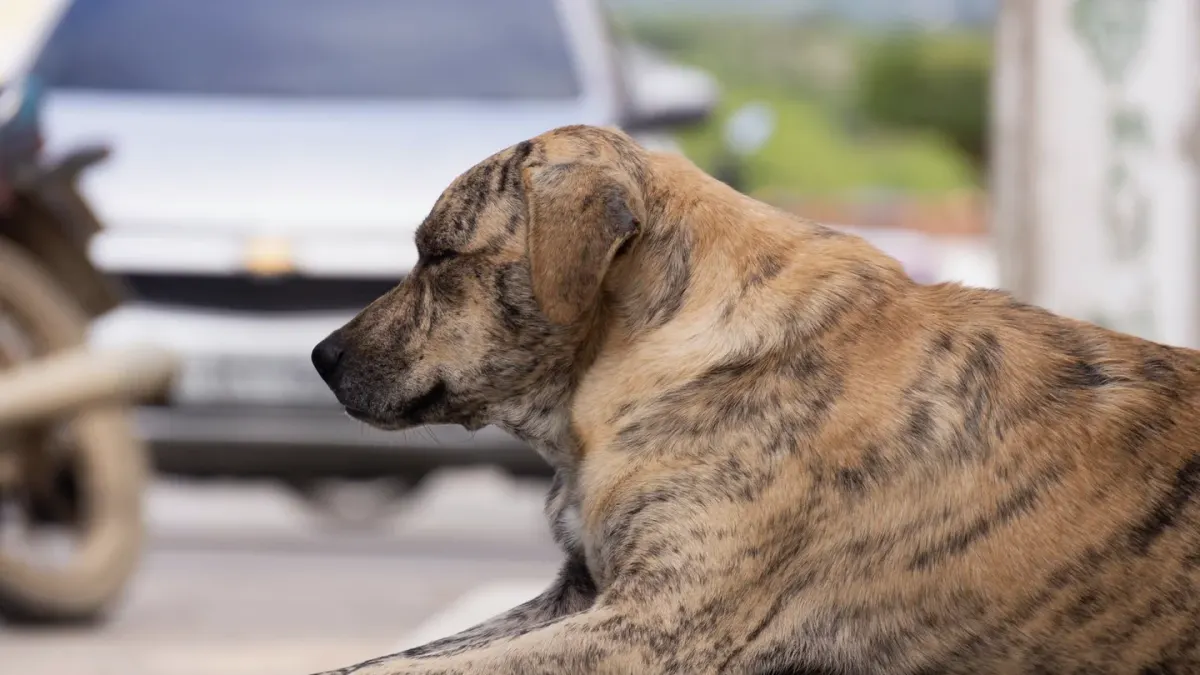
Dogs do not carry a reserve tank for water, and travel spends it faster than home life does. Panting moves heat out but moves moisture out too, and excitement, warm cars, dry hotel air, and missed drink stops all raise losses through respiration and light activity. That physiology is why VCA Hospitals describes dehydration as loss of both fluid and electrolytes that can show up as dry gums, reduced skin elasticity, sunken eyes, and lethargy.
My position is direct: choose a bottle that may help support normal hydration habits on travel days by making clean water easy to offer often, in small calm drinks. I would change that view if controlled data showed dogs drank more total water or showed better hydration markers from one dispenser style over another. Right now we do not have that trial, so I judge on mechanics, cleaning, and behavior.
On a bright Saturday at a trailhead parking lot, an owner unclipped a 22-pound terrier mix from the back seat and offered a squeeze bottle with a narrow trough for the first time. The dog licked twice, pawed the plastic, then turned toward a puddle. The owner squeezed harder, water arced over the trough and soaked her shoe, and the dog backed away from the hiss and sudden stream. After a 40-minute line at the park gate with no drink offered, the dog panted with a thick, ropey drool string and drank in hurried gulps once a flat cup was poured. That messy first try reframed the purchase from capacity to control of flow.
The bottle is not the hydration plan
The surprising limitation is simple: no bottle keeps a dog hydrated by itself. Intake depends on how often you stop, how relaxed the dog feels while drinking, and whether the water tastes and smells normal.
Travel guidance from the American Veterinary Medical Association centers on planning, restraint, identification, and regular stops rather than any single piece of gear. I use the same lens here. A bottle is only the delivery tool inside a routine of planned drink breaks, shade, and observation of panting, gum moisture, and energy.
A calm drink supports normal throat and stomach comfort better than frantic gulping.
That one sentence explains most failures I see.
Myth: dogs will drink enough if water is merely present
The myth says any attached bottle or communal bowl will do because a thirsty dog will eventually drink. Reality is more behavioral. Many dogs drink less in new places, refuse warm plastic-tasting water, or get startled by squeaking valves, rolling balls that bonk teeth, or streams aimed at the nose.
Low-stress handling applies to water too. Offer in a familiar spot away from traffic, hold the vessel still, let the dog sniff, and pour a shallow layer rather than a deep sloshing pool. For puppies, seniors, and flat-faced breeds, a wide low trough or detachable cup usually allows a more natural lapping motion and may help support normal drinking behavior compared with licking a metal ball or catching a jet.
If your baseline at home is a quiet ceramic bowl, expect a learning curve. Practice for a week before departure, as outlined in Getting Started With Dog Travel: A Practical Prep Guide.
What actually matters when you compare bottles
Forget color and carabiner style at first. Evaluate these five mechanics in order.
1. How water is delivered. Three common designs dominate: squeeze bottle with attached trough, bottle with detachable cup, and gravity ball-spout. Trough styles are fast for one-handed use but can leak if over-squeezed. Detachable-cup styles are slower and often easier for careful drinkers to accept. Ball-spout bottles stay cleaner in a pack but many dogs find them frustrating and drink less volume per effort.
2. Flow control and leak control. Look for a valve you can lock, a squeeze body with some give rather than rigid plastic, and a trough that holds about 2-4 ounces without spilling on a level surface. Test it in the kitchen. If you cannot start and stop flow with light pressure, you will soak the car.
3. Capacity matched to the dog and the day. A 12-ounce bottle may cover a small dog for short city outings, while a 40-pound active dog on a summer hike needs 20 ounces or more plus reserve. I would rather see owners carry a separate clean reserve jug and refill a smaller drinking vessel than haul one giant bottle that gets warm and stale.
4. Materials and cleaning. Smooth, food-contact-grade stainless steel or BPA-free plastic with few crevices is easier to wash and dry. The U.S. Food and Drug Administration oversees food-contact substances used in containers, which is a useful baseline concept when you read labels, though it does not certify pet bottles as such. Avoid strong retained odors, peeling liners, and foam gaskets that trap slime. If you cannot fully disassemble the lid and trough, assume biofilm will build.
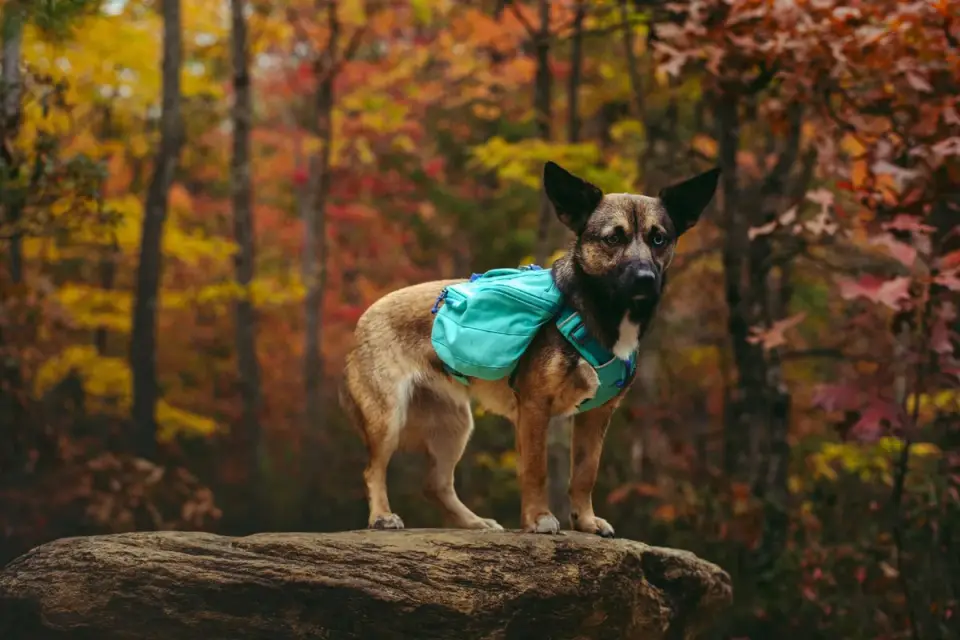
5. Fit for your hands, crate, and cleaning routine. Side pocket or cup holder fit, one-hand operation while holding a leash, and dishwasher-safe parts decide whether you will actually use it every two hours.
Halfway through a 6-mile loop with no shade, a couple realized their new lick-valve bottle was the wrong tool for their restless adolescent Lab. The dog chewed the spout, whined, and took in only a few drops over three attempts while panting with an open mouth and curled tongue tip. They had left the detachable silicone cup in the car to save weight, so they poured water into a cupped palm that leaked through fingers. The dog finally drank properly at a creek-side stop when they borrowed a wide collapsible bowl and offered three small pours in a row. The tradeoff was clear: the leak-proof design traveled well and drank poorly.
A sequence that works from packing to arrival
Use this order rather than buying first and planning later.
Start with the dog’s baseline. Note normal drink volume at home, any gulping or coughing, missing teeth, or reluctance with new objects. Brachycephalic breeds, seniors with neck stiffness, and anxious rescues often do better with a low cup than an elevated trough.
Pack water from home for the first day when possible, plus a labeled reserve. Changing water source and vessel on the same day doubles the novelty. Keep identification and health records with the water kit, a habit that pairs well with the checklist in Dog ID Tags and Records: How to Prepare Before You Travel.
Rehearse. Offer the travel bottle after walks for five to seven days. Reward calm sniffing and lapping. Wash and air-dry daily so the taste stays neutral.
On travel day, offer small amounts every 1-2 hours and after play, rather than one large bowl at lunch. Watch for dry or sticky gums, loss of playfulness, and dark yellow urine. Those signs mean stop, shade, water, and a call to your veterinarian if they persist.
Clean on the road like you mean it. Empty nightly, wash with hot soapy water, rinse well, and dry inverted with parts separated. For multi-day trips with bowls in rotation, the cleaning notes in Collapsible Bowls and Feeding Gear for Traveling Dogs transfer directly.
On a 3-night coastal trip involving a 50-minute ferry ride, an owner of a senior beagle found the usual advice had to bend. The dog refused to drink in the windy outdoor pet area and paced instead of lapping from a sloshing trough while the deck vibrated. Below deck was not an option, so the owner carried the dog to a sheltered bench, waited until panting slowed, then held a small detachable cup braced against a knee and offered two tablespoons at a time. The dog took six tiny laps, paused, then took more. Total intake that crossing was lower than at home, so the owner offered again 30 minutes after landing and logged normal urination that evening.
Where I land
Buy for calm drinking, easy cleaning, and a lockable valve in a size you will actually carry and wash. Bring reserve water, offer often, and let behavior guide volume. If a bottle makes your dog hesitate, gulp air, cough, or walk away, it is the wrong bottle for that dog even if reviews love it.
What would change my mind? A randomized crossover study measuring voluntary intake and hydration markers across dispenser types in traveling dogs. Until then, mechanics plus observation remain the best guide we have.
Want a packing order that puts water breaks, feeding gear, and paperwork in one place?
Frequently asked questions
How often should I offer water when traveling with a dog?
Offer small amounts every 1-2 hours and after activity or heat exposure, and watch panting, gum moisture, and energy. Contact your veterinarian promptly if you see persistent lethargy, dry gums, vomiting, or refusal to drink.
Is a squeeze bottle with a trough or a detachable cup better?
Dogs that startle easily or gulp often do better with a wide detachable cup and small pours, while confident drinkers may accept a trough. Choose the style your dog laps from calmly and that you can clean fully.
Sources
- Traveling with Pets — American Veterinary Medical Association