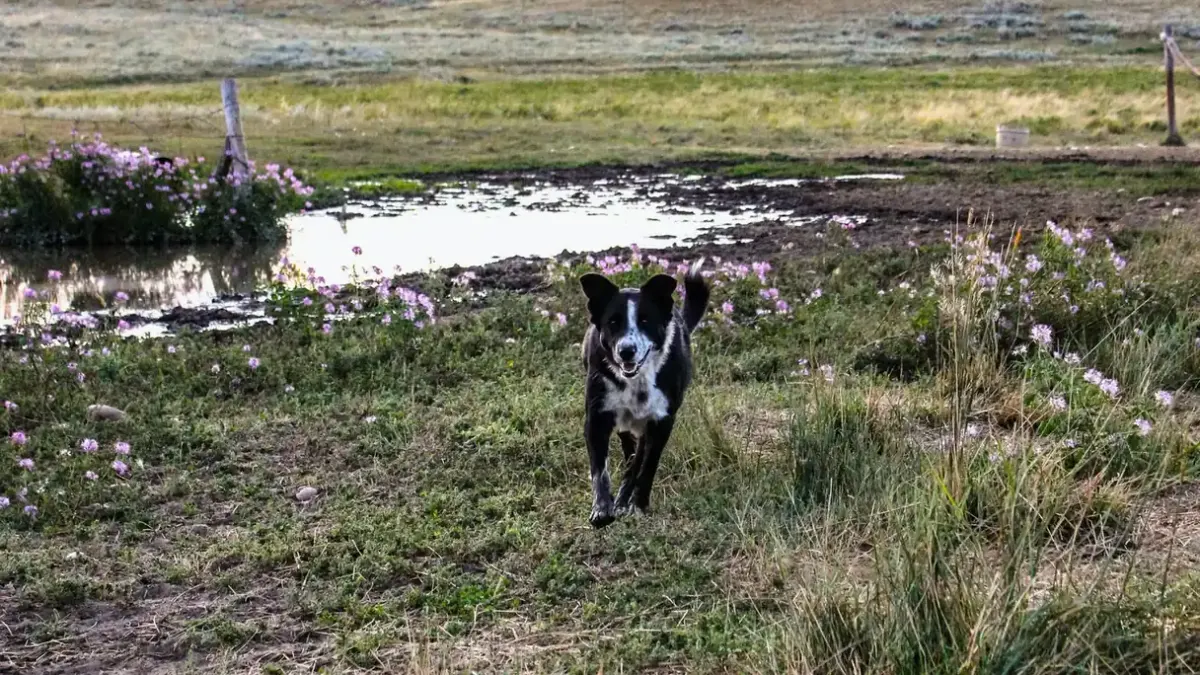
You made it home with sand in the mats, a cooler full of leftovers, and a dog who skipped breakfast, passed soft stool at the rest stop, and is now sleeping hard by the door. I see this exact return in practice every summer: a four-year-old, 48-pound mixed-breed who rode six hours, grazed on gas-station treats, drank from three different bowls, and came home gassy and off food. The owner worries about something serious. The dog is otherwise bright, drinking water, and asking to sniff the yard by that evening. That pattern — mild upset tied to travel change — is where calm triage at home does the most good.
The surprising limitation is this: you cannot diet your way out of travel stress in one meal.
Travel stacks small gut disruptors. New water, shifted mealtimes, rich treats, missed sleep, motion sickness, heat, swallowed lake water, and holding stool longer than usual. I counsel owners to expect a day or two of soft stool, lower appetite, or extra gurgling after a big trip, especially if feeding was irregular on the road. That reset window is normal biology, not failure. For background on why schedules slip on the road, I often point clients to Feeding Your Dog on a Road Trip: What to Know.
Myth vs. reality: reset is not a cleanse
The myth is that a post-trip gut needs a detox, a fast, or a pile of new toppers and probiotic chews to bounce back. The reality is that most dogs need less novelty, not more.
The Merck Veterinary Manual notes that acute diarrhea in dogs often relates to dietary indiscretion, stress, or sudden diet change, and emphasizes supportive care and monitoring for warning signs like blood, lethargy, or persistent vomiting. That matches what travel does: unfamiliar inputs plus stress behaviors.
My evidence-bounded position is simple. Return to baseline first. Feed the regular, complete diet your dog ate well before the trip, in smaller, on-time meals, with plain water and real rest. Bland add-ons may help support normal stool consistency for a meal or two, but they are a bridge, not a plan.
The strongest counterargument is that fasting or a long bland diet feels safer than offering regular food. I hear it often. My answer is that prolonged fasting or days of unbalanced chicken-and-rice can delay return to normal nutrition and mask whether the baseline diet is tolerated. If your dog is drinking, reasonably bright, and keeping small meals down, returning to baseline tells you more, faster.
Rest matters more than people think.
The 48-hour home sequence I walk clients through
Start with quiet observation the evening you return. Offer water, a short sniff walk, and a half-portion of the usual dinner at the usual time. Note stool form, appetite, energy, and vomiting. A tired dog who drinks and naps is different from a dog who cannot keep water down.
By day one home, keep it boring. Same food, same times, no new treats, no leftover burger, no bully stick to celebrate survival. Keep exercise light and keep stops for water on walks short if your dog gulps and gurgles. If you are still mapping what went sideways en route, compare notes with How Often Should You Stop on a Road Trip With a Dog? and How to Keep Your Dog Hydrated on a Long Drive.
The middle of this reset is where good intentions backfire. A seven-year-old, 22-pound beagle came home from a three-day cabin weekend with soft stool on day one. By day two the owner, trying to help, had layered three fixes at once: a new high-fiber kibble, a grocery-store probiotic chew, and a spoonful of rich canned food as an enticement, all within 18 hours. Stool got looser, gas got worse, and breakfast was refused entirely. We stripped it back to half-portions of the pre-trip diet, spaced treats out, and logged everything for two days. Appetite returned by the second quiet evening. More products had not meant more support.
If stool is slowly firming and energy is climbing by day two, stay the course. If you use a digestive supplement, use one product you already know your dog tolerates, not three new ones, and give it time to show whether normal routine is returning.
Call your veterinarian promptly for red flags at any point. The VCA Hospitals overview of diarrhea in dogs lists dehydration, repeated vomiting, bloody stool, abdominal pain, fever, lethargy, or diarrhea lasting beyond 24 to 48 hours as reasons to seek care, especially in puppies, seniors, and small breeds.
When holding steady is not enough
Not every post-trip upset is travel stress. This is the edge case I want owners to keep in mind. A two-year-old, 65-pound doodle-type dog returned from a warm-weather lake trip with what looked like routine soft stool, but by day three home he was still drinking excessively, passing mucus-coated stool four times overnight, and acting sore when his belly was touched. That timeline and pain changed the plan from home reset to same-day exam and fecal testing. Lake water, communal bowls, wildlife scat, and missed parasite prevention can turn a simple reset into infection, dietary intolerance unmasked by travel, or pancreatitis after fatty scraps.
Track specifics for your call: when signs started, how many loose stools in 24 hours, any vomit or blood, what the dog actually ate on the trip, lake or saltwater exposure, and vaccine and parasite prevention status. Bring a fresh stool sample if you can. For your next outing, a little planning helps more than any recovery hack, and How to Plan a Cross-Country Road Trip With Your Dog is a useful place to start that checklist.
Looking forward, keep the next trip gut-friendly by keeping the familiar anchor: same food, same measuring cup, a gallon of home water for the first day, and a short log of treats and stops.
Frequently asked questions
Should I fast my dog after travel diarrhea?
A brief pause of one missed meal is sometimes reasonable for an adult dog who vomited once but is otherwise bright, then offer small portions of the regular diet. Do not fast puppies, seniors, or small breeds without veterinary guidance, and call if vomiting repeats or lethargy develops.
How long should soft stool last after a trip?
Mild, travel-related soft stool often firms within 24 to 48 hours of returning to regular food, water, and rest. Call your veterinarian if diarrhea persists beyond two days, contains blood or mucus, or comes with vomiting, pain, fever, or low energy.
Sources
- Diarrhea in Dogs — VCA Hospitals