
A city break with a dog is not a normal sightseeing trip with a dog added. It is a different trip entirely, paced around pavement heat, elevator manners, restaurant rules, and your dog’s baseline for noise and novelty.
My position after counseling many traveling owners is simple: plan for one anchor outing per day, not three, and build the rest around sniff walks and rest. The strongest counterargument is that you are wasting hotel money and vacation days if you do not maximize the itinerary. I still land on the slower plan because overtired, overstimulated dogs do not bounce back on command, and one stressful day can shape behavior for the rest of the trip.
I worked through this with an owner planning a long weekend downtown with her 4-year-old, 55-pound Labrador mix who was friendly at home but had never ridden a subway or slept in a hotel. She wanted museums, a rooftop dinner, and a river cruise in two days. We mapped his normal day first: two 30-minute walks, long naps, dinner at five, bedtime barking at hallway noise. By day two on her draft itinerary he would have faced eight hours without a real rest, and that mismatch was the whole decision. She kept the river cruise, dropped the rest, and added a morning park loop near the hotel.
The limitation no itinerary admits
Cities ask for sustained neutrality. Your dog must ignore traffic, crowds, food on sidewalks, other dogs at close range, sirens, skateboards, and revolving doors, then settle quickly in a small, strange room.
Most pet-friendly city guides gloss over that. They list patios and parks without asking whether your dog can relax between them.
Expect less freedom, not more.
Myth versus reality on dog-friendly cities
The myth is that dog-friendly means dogs are welcome everywhere. The reality is layered permission: welcome on that patio, tolerated in that lobby, prohibited in that park section or grocery store, and always conditional on behavior.
Restaurant rules vary by state and city health code, transit rules vary by system, and lodging rules vary by floor and room type. Check the USDA APHIS travel resources for interstate health certificate expectations, review CDC dog movement requirements if your trip crosses borders, and read the AVMA guidance on traveling with pets for preventive basics like ID, restraint, and heat planning. Those three sources set a steadier baseline than any listicle.
What changes for health and behavior
Pavement, noise, and schedule disruption are the big three. Hard surfaces may help support tired feet and joints on long days, irregular meals and late nights can unsettle stomachs and sleep, and constant novelty raises arousal even in social dogs. Watch for lip licking, yawning out of context, reluctance to walk, pulling toward every exit, or an inability to settle after 20 minutes indoors.
A client once tried to power through with a 9-year-old, 22-pound terrier mix in summer, stacking a food hall, a shopping district, and an outdoor concert into one Saturday three weeks in after adopting him. The failed approach was carrying him when he froze instead of calling the day. By evening he was panting in air conditioning, refused dinner, and barked at every hallway sound until midnight. The tradeoff was clear: they saw everything and enjoyed almost none of it. A shorter loop with a midday hotel nap would have protected his appetite, rest, and manners.
A practical sequence that actually works
Think in loops, not lines. Keep your dog’s day anchored to the hotel.
Before you book
Confirm the hotel pet policy in writing, including weight limits, fees, unattended-dog rules, and relief areas. Many downtown hotels charge per night and prohibit leaving dogs alone, which changes your dinner plans. For help budgeting those extras, read Hotel Pet Fees: What to Expect and How to Budget.
If you are flying in, confirm carrier and documentation rules early in Airline Pet Policies: What to Check Before You Book and scout your layover stops in Airport Pet Relief Areas: How They Work.
On the ground each day
Do one anchor outing in the morning when streets are quieter and pavement is cooler. Follow it with a decompression sniff walk with no destination. Then enforce a real rest in the room — crate or bed, white noise, chew — for at least two hours. Repeat a shorter afternoon loop only if your dog settles quickly and eats normally.
Pack for the city you have, not the park you wish for: flat collar plus harness, short non-retractable leash, muzzle trained in advance if transit requires it, paw balm, water and a collapsible bowl, high-value treats for close passes, poop bags, a familiar blanket, and any preventive medications on schedule.
Evenings and food
Assume your dog cannot join you for indoor dining. Plan one patio meal, one takeout night, and one plan where a travel partner stays back. That rotation may help support normal feeding times and low-stress handling in tight spaces.
The edge case owners miss is the quiet dog who seems perfect until night two. I remember a 2-year-old, 38-pound cattle dog mix who walked politely through crowds all day, then began pacing and whining at 1 a.m. in a high-rise hotel. By day 3 her owner realized the room overlooked a 24-hour siren corridor and the ice machine thumped every 40 minutes. She moved rooms to the courtyard side, added a bedtime sniff walk and a frozen chew, and the pacing eased that night. City stress can be auditory and cumulative, not just social.
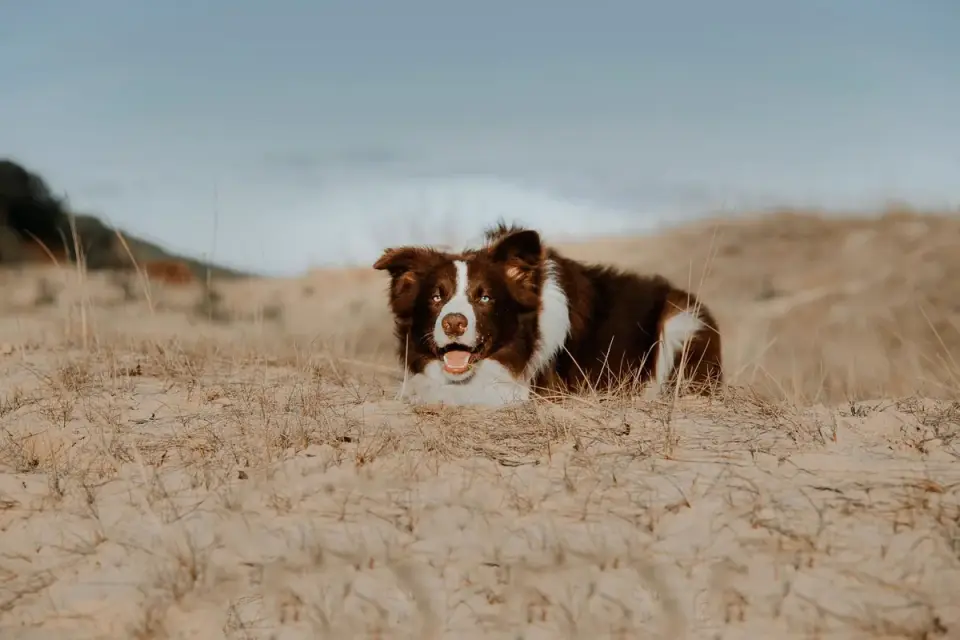
If your beach weekend follows the city leg, review distance, leash zones, and saltwater manners in Beach Trips With Your Dog: Safety and Etiquette.
Expect a smaller map, a slower pace, and more rest than feels vacation-like. That is what makes a city break work with a dog.
Sources
- USDA APHIS Pet Travel Resources — USDA APHIS
- About Dogs and Travel — CDC
- Traveling With Your Pet — AVMA