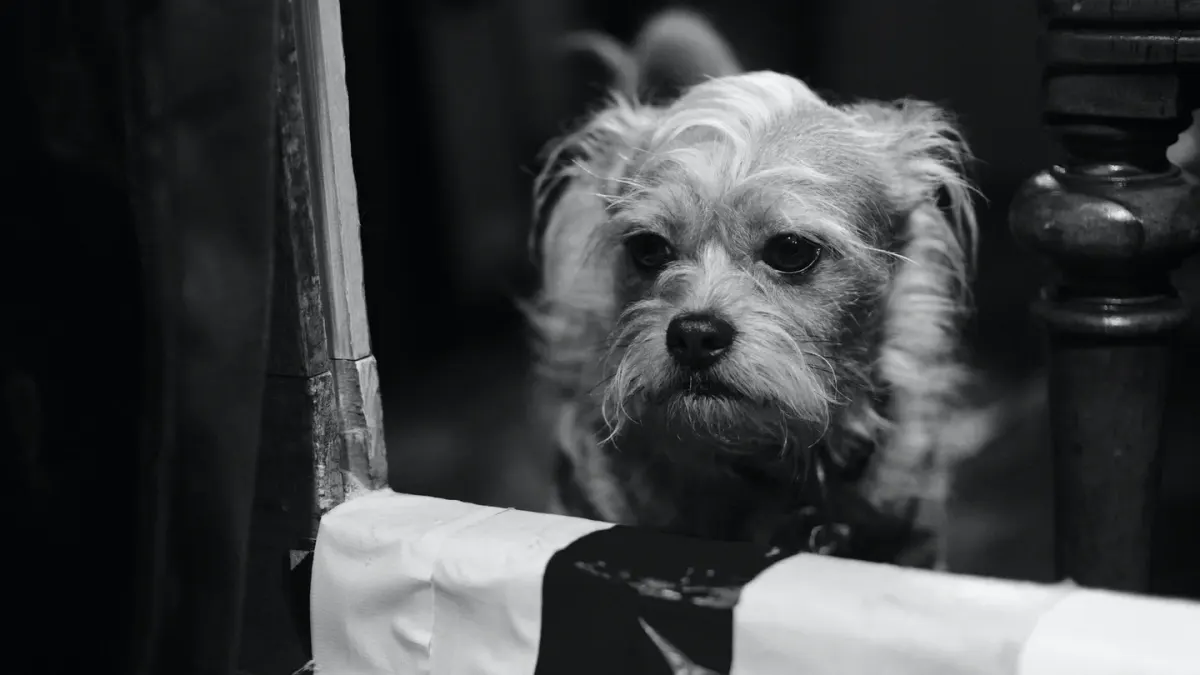
A three-year-old 45-pound retriever mix walked into a downtown hotel after a six-hour drive, sniffed the luggage cart, then settled. About 25 minutes later his owner returned from carrying bags to find tooth marks on the wooden desk corner and the remote strap frayed. In clinic counseling I set the expectation first: chewing in a new room is rarely defiance. It is how many dogs discharge arousal, nausea from travel, and separation worry when routine disappears. The decision in that moment is not punishment, it is management plus calming input.
Your chew-proofing alone will not hold if stress stays high That desk corner tells the story. You can move the trash can and tuck cords, yet a wired dog will simply find the next texture. Travel stacks triggers — motion, elevators, new smells, thin walls, alone time — and chewing may help support self-soothing by giving the jaw and brain a job. I counsel owners to treat the room as a baseline reset, not a test of obedience. Plan for a dog with a temporarily lower tolerance, and you will prevent most damage before it starts. For a room-ready setup, see Hotel Room Setup for a Dog: A First-Timer’s Checklist.
What looks like mischief is usually something else Myth says a tired dog will not chew and a firm “no” will stop it. Reality is more layered, and Merck Veterinary Manual notes destructive chewing in dogs often ties to anxiety, boredom, or incomplete habituation rather than spite.
A newcomer adult may mouth door frames only when left alone, which points toward isolation distress. A senior dog with little history of chewing that suddenly gnaws bedding may be nauseous or uncomfortable after travel. Puppies explore with their mouths by design, and confinement without an appropriate chew can backfire. Watch timing, body language, and what gets targeted: greetings and departures, pacing or whining, versus calm settling with a pillow nibble tell very different stories.
The middle trip taught one owner that tradeoff the hard way. Traveling with a lanky adolescent shepherd mix, she skipped the evening routine to make a dinner reservation and left a busy lobby toy on the bed. After two short evening walks that never let him sniff and settle, he shredded a pillow edge and worked the nightstand corner. She had planned more exercise, but what he lacked was decompression — sniff time, a food puzzle, and a person nearby while his arousal dropped. More steps did not equal calmer behavior.
A calm-down sequence that saves the furniture Do the active work in order. Lead with what your dog should do, in short steps.
Empty the tank gently on arrival. Take a 10- to 15-minute sniff walk for elimination and investigation, then a second brief outing before dinner. Sniffing lowers arousal faster than a rushed march around the block. Feed and hydrate on home schedule. Offer water, then the usual food in a familiar bowl. A short pause after meals may help support settled digestion during travel days. Build a chew station. Place a mat or crate cover in a low-traffic corner with water nearby, plus two to three safe options — a rubber food puzzle, a long-lasting dental chew, and a familiar plush. Rotate one item to sustain interest. Practice micro-absences. Step into the hall for 30 seconds, return calmly, then extend to two to five minutes. Pair departures with the food puzzle so alone time predicts good texture, not panic. Use low-stress handling for redirection. If teeth find furniture, interrupt quietly, trade for the approved chew, and reward settling. American Veterinary Society of Animal Behavior supports this kind of reward-based redirection over confrontation for fear-related behaviors. Protect sleep. White noise, curtains closed, and your worn T-shirt near the bed may help support a sense of normalcy overnight. Most dogs chew less when they actually rest.
When leaving the room makes chewing worse Here is where the usual advice has to bend. A nine-month-old terrier type on night three of a road trip had chewed baseboards twice despite long walks and puzzles. Left alone, his panting and door scratching escalated within minutes, and crating increased vocalizing. Instead of longer absences, his owner changed the plan: no solo time in the room, brief potty trips with a travel sitter in the lobby, meals delivered, and a daytime boarding day for one sightseeing block. With social buffering and no forced isolation, the chewing stopped. Some dogs do not habituate to hotel solitude on a short trip, and preventing rehearsal is the kinder preventive call. Review Etiquette for Staying in Pet-Friendly Hotels and Rentals and How to Help Your Dog Adjust to a New Environment While Traveling before you extend alone time.
My position is simple. Assume novelty raises the urge to chew, lower arousal first with sniffing, routine, and appropriate chew options, and use very short absences to test the baseline. If distress signs persist — drooling, escape attempts, vocalizing that does not resolve, or damage that worsens — stop practicing alone time and arrange company or boarding for that trip. Cornell University College of Veterinary Medicine describes separation-related destruction as a stress response, not disobedience, and that framing protects both your dog and your deposit. Expect adjustment to take days, not minutes, and you will travel far more smoothly.
Frequently asked questions
Why does my well-behaved dog only chew in hotels?
Novelty, travel fatigue, and brief isolation can raise arousal and anxiety even in house-trained dogs. Give sniff walks, home routine, and approved chews, then test very short absences first.
Should I crate my dog in a hotel to stop chewing?
Only if your dog already rests calmly in a crate at home. A new crate in a new room can increase panic for some dogs. Try a mat station with puzzles first and keep departures brief.
Sources
- Behavioral Problems of Dogs — Merck Veterinary Manual
- Position Statements — American Veterinary Society of Animal Behavior