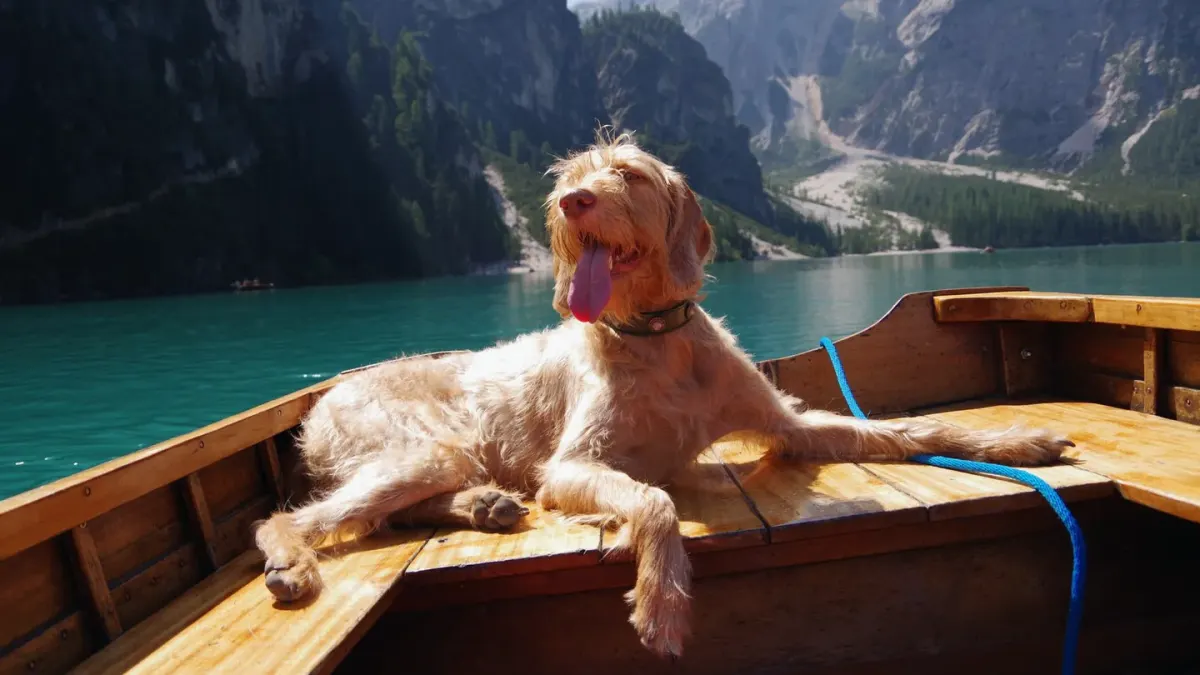
Your dog can sleep in a car overnight, but only when you can control temperature, airflow, and safety hour by hour — and most road trips don’t allow that.
That limitation surprises people. A parked car feels calm and familiar, and many dogs settle well in it. The problem is how fast conditions inside a closed vehicle can shift while you’re asleep and unable to adjust blankets, windows, or parking spot.
Why a sleeping car is different from a parked car
During the day, you’re watching. You notice panting, restlessness, or that stuffy feeling and you move. Overnight, you’re unconscious for stretches, and your dog may not wake you before overheating or anxiety builds.
The American Veterinary Medical Association warns that cracking windows does little to keep a vehicle cool, and interior temperatures can climb quickly even on mild days. At night the reverse can happen in shoulder seasons, with temperatures dropping enough to leave a short-coated or senior dog chilled and stiff by morning.
Vets often see the same pattern after road trips: a dog that seemed fine at bedtime is panting, pacing, or dehydrated at 2 a.m. Brachycephalic breeds, puppies, seniors, and dogs with heart or airway disease lose heat less efficiently, so their margin is even narrower.
Marie learned this with Beasley, her 8-year-old spayed Poodle, during a stop near Erie, Pennsylvania. Beasley settled in her crate in the SUV at 10 p.m. when it was 62 degrees, but Marie woke at 1 a.m. to soft whining and found the air still and humid. She moved them into a motel for the remaining five hours, and that one wake-up changed her plan for the rest of the trip.
The hotel question you should ask first
If a dog-friendly room is available, it usually supports rest better than a car. You get steady temperature, a bathroom break without a dark parking lot, water, and room for a familiar bed that may help support normal sleep behavior.
That doesn’t mean every hotel is perfect. Lobbies, elevators, and hallway noise can stress a nervous traveler. For help weighing the setup, read Overnight Road Trips: Where Should Your Dog Sleep?
Book the room when daytime highs were above 70, when nighttime lows will drop below 45, when your dog snores, pants, or paces in new places, or when you can’t park somewhere well-lit, level, and legal for the whole night.
A hotel is the safer choice in most summer conditions.
If the car is your only option, make it boring and breathable
Use this sequence only for a cool, settled night when you have no safer choice, and check local rules about sleeping in vehicles first.
Park smart. Choose a well-lit, legal spot, lock all but two windows cracked an inch with rain guards or mesh screens, and never run the engine for heat or air while you sleep because of carbon monoxide risk. The Centers for Disease Control and Prevention notes that pets can develop heat-related illness quickly, so plan for active airflow rather than still air.
Set up for sleep. Use a secured crate or a crash-tested restraint anchored to the car, not loose bedding in the front seat. For what testing does and doesn’t prove, see Crash-Test Ratings for Dog Car Restraints, Explained.
Keep the routine normal. Evening walk, water, bathroom break, then lights low. Keep a leash, flashlight, water bowl, and shoes within reach so a midnight potty trip is quick and low-stress.
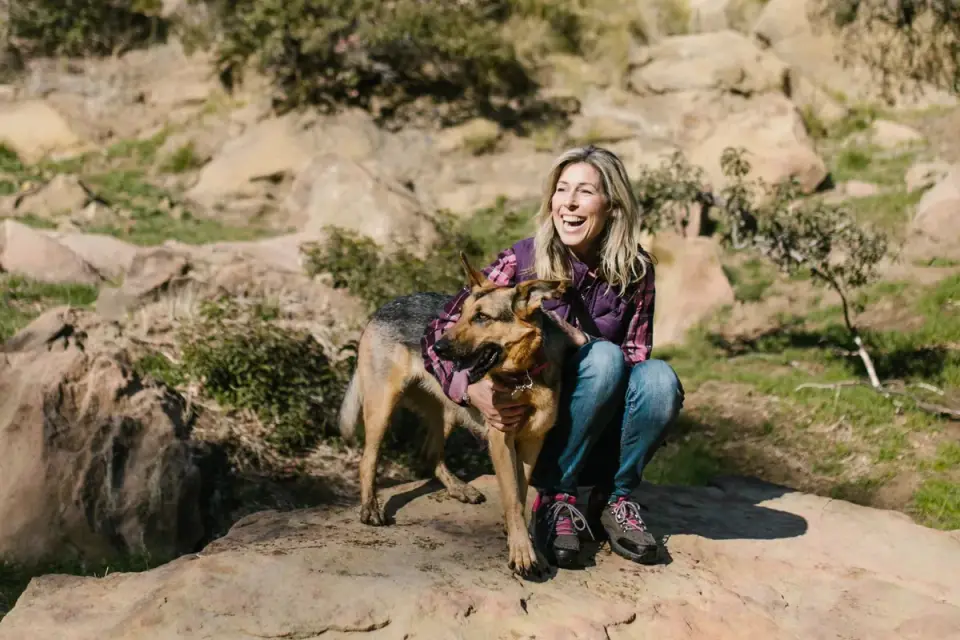
Check on a schedule. Set alarms every two to three hours to feel airflow, offer water, and watch breathing and behavior. If panting won’t settle, if the air feels warm or close, or if your dog won’t resettle, move inside.
Skip the car entirely for puppies under six months, seniors with cardiac or respiratory disease, and any dog in heat or recovering from illness. If you’re debating that last group, Can You Travel With a Dog in Heat? What Actually Matters walks through the extra logistics.
You know your dog’s baseline best. Expect a little restlessness the first night away, and give comfort without promising perfect sleep.
My recommendation stays the same: use the car for naps and quiet breaks, and use a building for overnight sleep whenever you can arrange it. It’s less adventurous, but your dog will wake up more comfortable and ready to enjoy the miles ahead.
Frequently asked questions
What temperature is too warm for a dog to sleep in a car?
There is no single safe number because humidity, airflow, coat, age, and health all matter. If the air inside feels warm, still, or humid, or your dog is panting or restless, move to a cooler space.
Can I leave the car running with air conditioning on overnight?
No. Sleeping with the engine running raises the risk of carbon monoxide exposure and mechanical failure, and it is illegal in many places. Choose a climate-controlled building instead.
Is it legal to let a dog sleep in a car overnight?
Rules vary by state, city, campground, and parking lot, and animal welfare laws still apply. Check local ordinances and posted signs before you plan a vehicle overnight.
Sources
- Pets in Vehicles — American Veterinary Medical Association
- Heat and Pets — Centers for Disease Control and Prevention