On this page
The limitation nobody mentions when they hand you a list of car toys
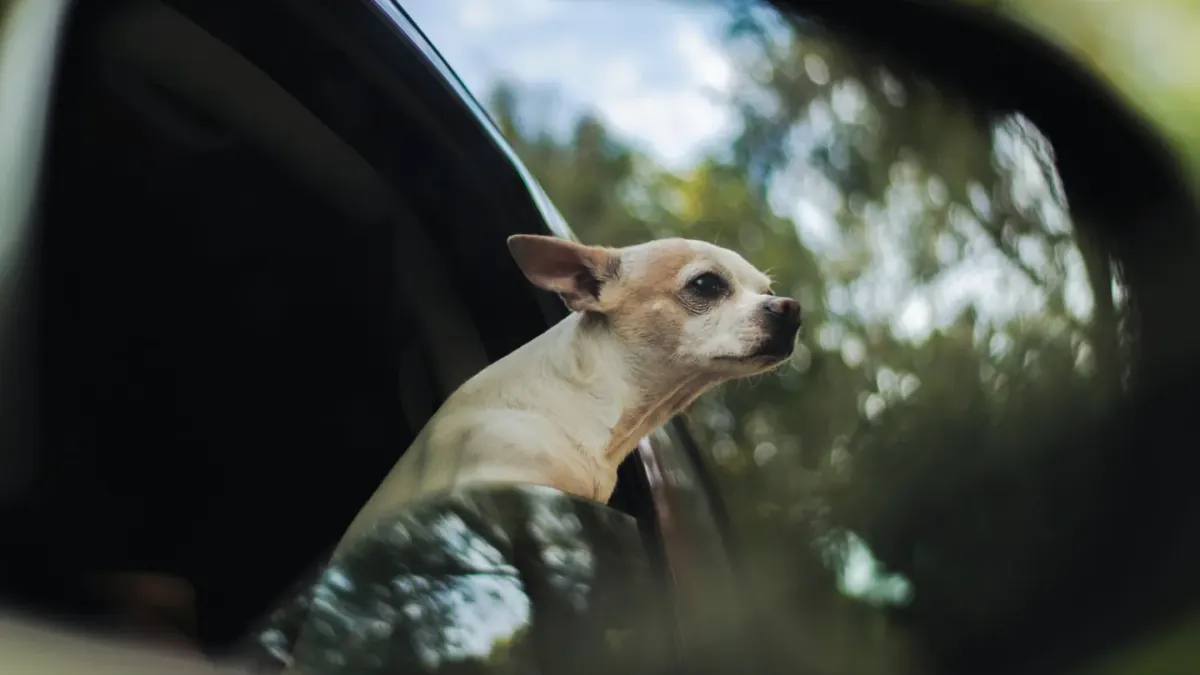
Every road-trip list I’ve seen starts the same way: pack a puzzle toy, freeze a Kong, bring a favorite chew. Fine advice, as far as it goes. But it treats a four-hour drive like a bored afternoon at home, and that’s not what’s actually happening in the back seat.
A dog who’s whining, pacing, or drooling on mile two isn’t bored — they’re overstimulated or anxious, and no amount of enrichment fixes that. I tell clients this constantly: figure out which dog you have before you buy anything. A dog who settles once the car starts moving needs entertainment. A dog who won’t settle needs a different plan entirely, and sometimes a vet visit before the trip, not a toy.
Your car-ride checklist, front to back
- Restrain first, entertain second. A secured dog in the back seat, centered and away from airbags, per the American Veterinary Medical Association, is the baseline — not optional, not negotiable.
- Feed light, feed early. A large meal right before departure sets up nausea before you’ve left the driveway.
- Exercise before you load up. Fifteen to twenty minutes of real movement beats any car toy for taking the edge off.
- Bring one novel chew, not five toys. Novelty holds attention longer than variety scattered everywhere.
- Stop every two to three hours. Water, a bathroom break, and a short walk reset both bladder and nerves.
- Crack a window for airflow, and keep the cabin temperature comfortable — never leave a dog alone in a parked car, in any weather.
- Watch for drooling, lip-licking, or yawning, the early tells of motion sickness rather than plain boredom.
Each of those points earns real explanation below, because the “why” is what makes the checklist stick on the drive home too, not just the drive out.
Myth vs. reality: what actually keeps a dog occupied
The myth is that entertainment is about stimulation — more toys, more novelty, more to chew on. The reality is that a settled dog on a long drive is mostly a regulated dog, and regulation starts with the basics: restraint, temperature, meal timing, and a predictable rhythm of stops.
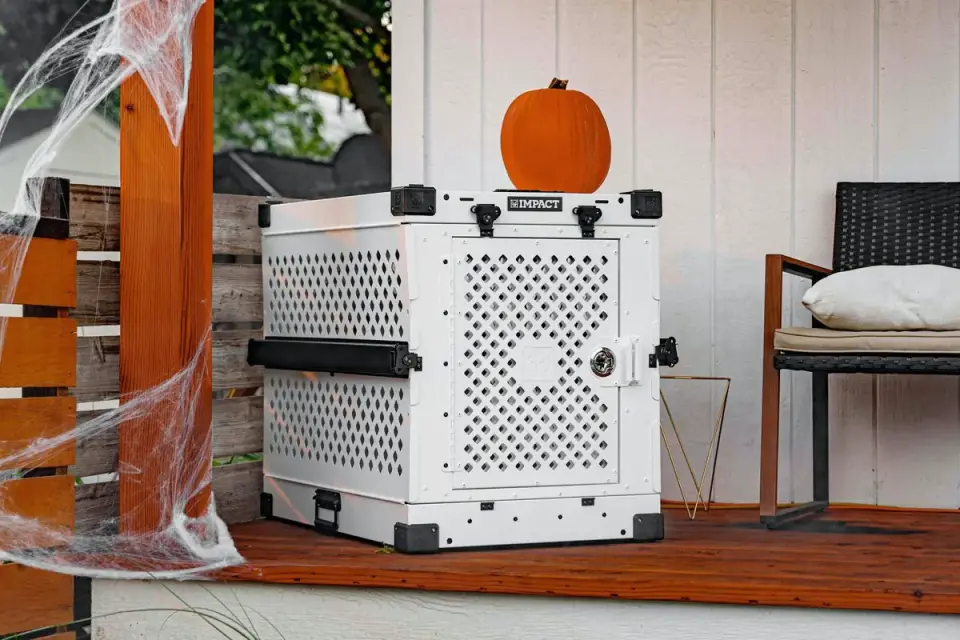
I’ve watched owners load a car with squeaky toys and a frozen Kong for a six-hour drive, convinced that’s the fix, only to have the dog ignore all of it and pant against the crate door for the first hour. The toy wasn’t wrong. It just wasn’t the actual problem. Once that dog had thirty minutes of decompression at a rest stop — sniffing, a slow walk around the parking lot, water — the same Kong worked exactly as intended for the next leg. Entertainment only lands once the dog’s baseline settles. Skip that step and you’re just adding stimulation to an already keyed-up nervous system, which tends to make things louder, not calmer.
That’s the sequence I default to with almost every client asking about long drives: settle, then stimulate. Not the other way around.
A practical sequence for the drive itself
- The week before: if this is a new dog or a dog with a shaky travel history, do a couple of short 15–20 minute practice drives first. American Kennel Club: Desensitization built slowly, over days to weeks, works far better than hoping a six-hour trip goes fine on the first try.
- The morning of: a light meal a few hours before departure, plus a real walk or play session right before loading up.
- First hour: minimal stimulation. Let the dog settle into the motion. This is where I see people over-manage — constant toy-offering, constant talking — when what the dog needs is quiet.
- Cruising stretch: now bring in the chew, the frozen treat, or a slow-feeder if your dog does well with food-based enrichment while riding. Rotate one item at a time rather than dumping the whole bag in.
- Every two to three hours: stop, per the AVMA, for water, a bathroom break, and five to ten minutes of actual movement — not just letting the dog stand at the open door.
- Signs to reassess: drooling that starts and doesn’t stop, repeated swallowing, or a dog who goes still and won’t take treats at all. Those point toward motion sickness or anxiety, which structure/function tools like a snug wrap or calming chew may help support, but which sometimes needs an actual conversation with your vet before the next trip, not another toy.
If you’re still working out restraint basics before you even get to entertainment, our guides on dog car seat belt vs crate vs barrier and crash-test ratings for dog car restraints are the right starting point — entertainment plans only matter once the restraint question is settled.
The trade-off I won’t pretend away
Here’s the honest tension: the dogs who most need entertainment on a long drive — the anxious ones, the ones who can’t settle — are exactly the dogs for whom typical entertainment tools work worst. A puzzle toy assumes an animal calm enough to engage with a puzzle. An anxious dog usually isn’t there yet.
One case that’s stuck with me: a young Vizsla, about a year old, roughly 45 pounds, whose owners were planning a nine-hour move across two states. He’d never traveled farther than the vet clinic, fifteen minutes away, and even that short drive left him panting and drooling by the time they parked. They’d already bought a car hammock, three chew toys, and a calming bandana, all reasonable purchases, none of which touched the actual issue. We backed all the way up: five-minute drives around the block first, building to fifteen, then thirty, over about three weeks, always ending someplace good — a friend’s yard, a quiet trail. By the time they left for the move, he could ride two hours before needing a real break. The toys mattered eventually. They weren’t where the work started.
That’s the counterargument I hear most: “we don’t have three weeks before the trip.” Sometimes that’s true, and you do the best you can with the time available — shorter driving legs, more frequent stops, a vet conversation about short-term anxiety support. But I’d rather tell a client the honest timeline than sell them a toy that only works on a dog who’s already comfortable in the car.
Where I land
Entertainment is the last ten percent, not the first. Get the restraint right, get the timing of meals and stops right, and give an anxious dog real time to adjust before the big trip — then a frozen Kong or a slow-feeder genuinely earns its keep on the cruising stretch of the drive.
If your dog is a fairly relaxed traveler already, you can probably skip straight to the fun stuff: a novel chew, a scenic route with a few extra stops, maybe a stretch at a dog-friendly overlook. If you’re building travel confidence in a puppy or a dog who gets carsick, our pieces on how to get a puppy used to car rides and do puppies outgrow car sickness walk through that groundwork in more detail. Either way, the sequence — settle, then stimulate — is what actually holds up over a long drive, not the size of the toy bag.
Frequently asked questions
How often should I stop when driving with a dog?
Plan on a break every two to three hours for water, a bathroom stop, and a short walk, per the American Veterinary Medical Association's guidance on pet vehicle safety.
Are car toys enough to keep an anxious dog calm?
Usually not on their own. A dog who's genuinely anxious in the car benefits more from gradual desensitization and a settled restraint setup than from any single toy; enrichment works best once the dog is already calm enough to engage with it.
What are early signs of motion sickness versus boredom in the car?
Drooling, repeated lip-licking, yawning, and refusing treats point toward motion sickness or anxiety rather than simple boredom, according to the American Kennel Club.
Sources
- Pet safety in vehicles — American Veterinary Medical Association
- Carsickness in Dogs: Signs, Symptoms, Treatments — American Kennel Club