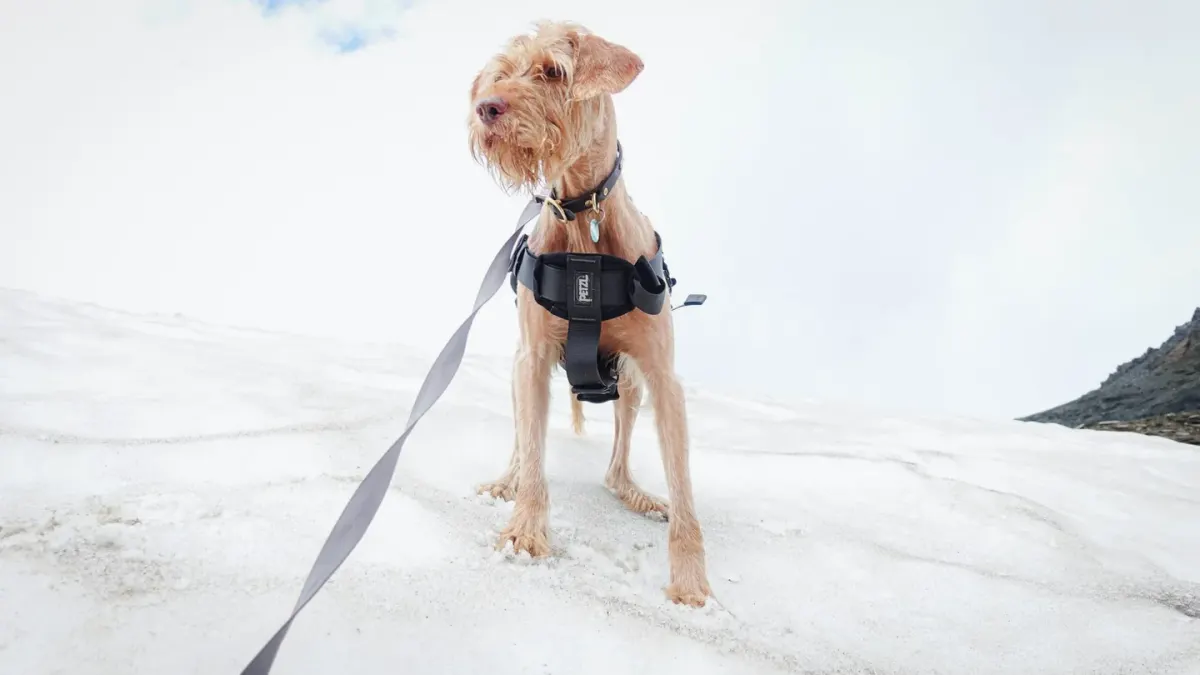
Plan a shorter loop than you think you need, because cold paws and hidden ice decide the walk around a snowy lodge.
My expectation-first take: a 15- to 20-minute mapped loop near the lodge, with a warm indoor reset, supports more steady behavior and comfort than one long trek. Cold shortens tolerance fast, especially for small, lean, very young, senior, or arthritic dogs, and deep snow drains energy while hiding ice, drop-offs, and de-icer.
Your lodge-walk checklist
- Check lodge rules: leash length, relief area, and where dogs may not go.
- Map a 0.5-mile or shorter loop with two bail-out points back inside.
- Dress for paws and coat: booties or paw balm, plus a dry coat for thin-coated dogs.
- Pack light: leash, headlamp, towel, water, treats, waste bags, phone.
- Time it right: midday light, watched wind chill, no whiteout or groomer traffic.
- Plan paw aftercare: warm rinse, dry well, check between toes.
The limitation brochures skip
Lodge paths look simple on a trail map. Under snow they hide stairs, pond edges, plow berms, and slick entries where dogs slip and strain soft tissue.
Vets often see winter limps that started as one slide on hidden ice. In practice, prevention means assuming less traction, keeping dogs leashed near roads and frozen water, and turning back at the first hard shiver, lifted paw, or lagging behind. Jim noticed this with Lenox, his 3-year-old neutered male Italian Greyhound from Ann Arbor, Michigan, who started high-stepping and shivering about 10 minutes into a lakeside loop and settled faster once Jim cut the route to a sheltered 0.4-mile circle with a lobby warm-up.
Myth vs. reality: fur handles it
Thick fur may help support insulation, but paws, ears, thin belly skin, and clipped areas lose heat quickly. Wind, wet snow, and standing still for photos cool a dog faster than steady movement.
The American Veterinary Medical Association notes that cold tolerance varies widely and advises watching for shivering, slowing down, or seeking warmth, with extra caution for small, short-coated, young, senior, and arthritic dogs. Short, active loops with indoor breaks fit that baseline better than endurance hikes.
Frostbite favors paws, ears, and tails after prolonged cold exposure. VCA Animal Hospitals describes pale, cold skin that may later become red, swollen, or painful as it warms, which is why dry warmth and a prompt indoor check matter more than rubbing cold tissue.
A practical sequence from door to door
Scout without the dog first. Walk 5 minutes from the lodge entry, note stairs, ice-melt bins, plowed piles, off-limit decks, and the designated relief spot. Pick a loop you could carry your dog back from if needed, a real consideration for a Maltese-sized dog or an icy hill.
For more ideas on pacing breaks and water stops on longer travel days, see How to Plan a Cross-Country Road Trip With Your Dog and Beach Trips With Your Dog: Safety and Etiquette for contrast on heat versus cold routines.
Prep paws and gear by the door. Trim excess interdigital tufts before the trip if your veterinarian has shown you a low-stress method, then test booties indoors for 2 to 3 short sessions. A thin layer of paw balm may help support the paw pad barrier against snow and grit, though it does not replace traction or warmth. Keep nails at baseline length for grip.
Walk the loop in daylight layers. Start midday when the path is visible and packed. Keep a 6-foot leash, avoid frozen ponds and roof-drip icicle zones, and give snowmobiles, sleds, and plows wide space. Offer water at the turnaround; dogs drink less in cold air yet still lose moisture with panting and dry lodge heat.
Watch salt and antifreeze at lodge entries. Lobbies, porte-cocheres, and parking aprons collect chloride de-icers that dry and crack paws, plus tempting puddles near parked cars. Wipe or rinse paws after every outing and discourage licking meltwater. The U.S. Food and Drug Administration warns that ethylene glycol antifreeze tastes sweet to pets and even small amounts can cause serious kidney injury, so leash around garages and driveways and ask staff where vehicles are serviced.
Reset indoors. Towel off snowballs, especially between toes and under the belly. Check for cuts, redness, or a persistent head-held paw lift. A warm — never hot — paw soak or damp towel, full dry, and 30 to 60 minutes of rest may help support normal paw skin recovery before the next short loop.
What about car calm between outings? A settled crate or seat setup helps preserve that rest window, covered in How to Stop Your Dog From Moving Around in the Car.
Will your dog need a second walk, or was one careful loop enough for today?
Frequently asked questions
How long should a snowy lodge walk be?
Start with 15 to 20 minutes on a short, sheltered loop and extend only if paws stay warm, gait stays normal, and energy holds.
Do dogs need booties in snow?
Many do well with them for ice, crust, and de-icer, especially small or thin-coated dogs. Test indoors first and carry a spare.
What paw signs mean turn back?
Repeated paw lifting, lagging, hard shivering, whining, or seeking to be picked up. Head inside, dry, and rewarm promptly.
Sources
- Cold weather animal safety — American Veterinary Medical Association
- Frostbite in Dogs — VCA Animal Hospitals