Station maps make elevators look easy. One little blue icon and you assume you can roll straight from street to platform with your dog at your side.
That icon does not tell you which entrance it serves, whether it needs a staff key, or whether it has been out for two weeks. As a primary-care vet focused on preventive care and low-stress handling, I am not a transit engineer, but I counsel owners to expect this gap: plan an elevator-only route plus a backup, every time.
My position is simple. Do not plan around stairs or escalators as a fallback for a dog. Map two working elevators before you leave, and give yourself time to use them. A skeptical friend might ask, does that not add a lot of extra walking? You will walk a little farther. You will also avoid carrying a panicked dog up stairs in a crowd, which may help support safer behavior and calmer travel for both of you.
Why your station map is not a dog plan
Most large stations have more than one elevator, and they rarely connect the way you hope. One serves the parking garage, one serves only certain tracks, and one requires exiting and re-entering through a different headhouse. Vets often see travel stress show up as panting, freezing, lip-licking, or pulling hard on leash, and a last-minute detour through a noisy tunnel can trigger all of it.
Check pet rules before you check the map. Amtrak spells out where small pets are allowed onboard and how they must stay contained, and many commuter systems have their own leash, carrier, or off-peak rules. That baseline tells you whether your dog can even wait with you on the platform.
Then check elevator function, not just location. The Metropolitan Transportation Authority posts accessibility pages and live elevator status because outages change daily, and most big-city systems now do the same.
Elevators fail at rush hour.
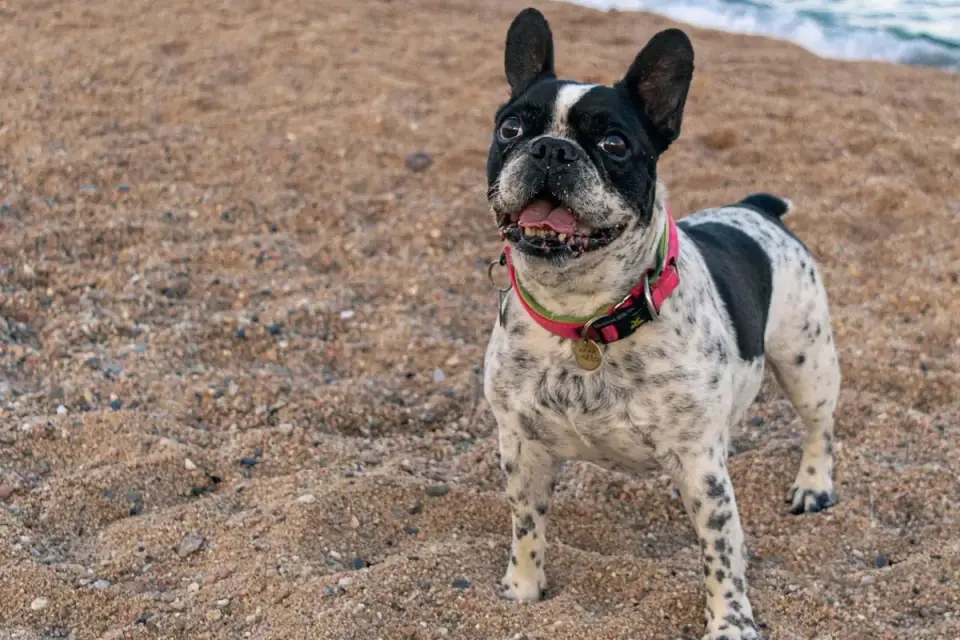
Francis learned this with Topaz, a 7-year-old neutered male French Bulldog mix in Charleston, South Carolina. Topaz started planting his feet and panting at metal grates and stairwells, so Francis had to choose between coaxing him down a crowded stairway or backtracking three blocks to a second elevator. Building in an extra 25 minutes for the elevator route kept Topaz moving without being dragged or carried.
The elevator myth most dog owners believe
The myth is that any elevator will do, and escalators are fine if you hurry. Reality is less convenient.
Station elevators cluster at specific ends of a platform. If you enter at the wrong end with a dog, you may face a long walk beside tracks, narrow gates, or a bank of turnstiles that is tough with a leash and bag. Escalators are worse. Never lift or drag a dog on an escalator — paws, nails, tails, and leashes can catch, and a frightened dog may jump.
Another myth is that staff will always help you find a working lift. Sometimes they will, but during delays they are focused on crowd flow. You want your own plan, the same way you plan relief breaks when you learn how airport pet relief areas work or pace rest stops on a long road trip with your dog.
In practice, dogs do best with predictable footing, short waits, and space from rolling luggage. An elevator at the quiet end of the station usually gives you all three, even if the walk is longer.
Plan your elevator route in this order
Work in this sequence the night before, not on the stairs with your dog pulling.
- Pick your entrance. Use the station’s accessible-entrance map and note the street corner, not just the station name. Screenshot it.
- Confirm two elevators. Find your primary elevator and one backup at a different entrance or end of the platform. Check morning-of status for outages.
- Walk the path on paper. Trace street to elevator to platform without stairs, escalators, or fare gates that are too narrow for you plus your dog. Look for low-stress waiting spots away from the platform edge.
- Pack for the wait. Short non-retractable leash, well-fitted harness, water, treats for easy cues, and a mat if your dog needs a defined place to settle. Keep your leash short and your dog close to the cab wall inside the elevator.
- Rehearse exits. Know how you will exit at your arrival station, too. Many trips fail on the return leg because owners only mapped one direction.
Give a brachycephalic mix like Topaz, a senior dog, or any dog that freezes on grates extra boarding time. If the elevator line is long, let one car pass rather than squeeze in with bikes and suitcases pressing on your dog.
What will your backup be if that first lift is dark when you arrive?
Frequently asked questions
Can dogs use passenger elevators at train stations?
In most public stations, yes, dogs that are allowed in the system can ride passenger elevators with their owner. Always follow leash, carrier, and ticket rules, keep your dog close to the cab wall, and yield space to wheelchair users.
What should I do if the station elevator is out of service?
Use a pre-mapped second elevator at a different entrance rather than switching to stairs or an escalator. Check live elevator-status pages morning-of and allow 20 to 30 extra minutes for a detour.
Are escalators safe for dogs?
No. Paws, nails, and leashes can catch in escalator steps, and a scared dog may panic and jump. Choose elevators or accessible ramps, and ask staff for the accessible route if signage is unclear.
Sources
- Bring Your Pet Onboard — Amtrak
- Accessibility — Metropolitan Transportation Authority