On this page
Book the titer before you book the flight. That’s the sequence I give every client who mentions a move abroad or an extended stay in a rabies-titer country, and it’s the opposite of what most people do — they book the trip, pack the crate, then panic when they learn the blood draw needed to happen months ago.
A rabies titer test measures the level of rabies antibodies circulating in your dog’s blood after vaccination. It doesn’t test for the rabies virus itself, and it isn’t a substitute for keeping vaccines current. Some countries — and re-entry rules for dogs coming back into the US from certain regions — require proof that the vaccine actually produced an adequate immune response, not just proof that a vaccine was given. That’s the whole reason the test exists.
What the titer test actually checks
The test in question is almost always the FAVN test — Fluorescent Antibody Virus Neutralization — and in North America it’s run almost exclusively through the KSU Rabies Laboratory at Kansas State, which is USDA-APHIS recognized and the only OIE-approved lab performing FAVN for the general public in North America. Turnaround currently runs 10–14 calendar days once the sample arrives, though I tell clients to budget more given shipping and any lab backlog.
A passing result generally means an antibody titer at or above 0.5 IU/mL, and the destination country sets the pass threshold and the acceptable testing window — not your vet, and not the lab. That distinction matters because I’ve had clients assume “my vet said the titer looked fine” settles the question. It doesn’t. Only the destination country’s or CDC’s stated requirement does.
Myth versus reality: why timing trips people up
The myth: get the titer whenever convenient before departure, similar to a vaccine certificate. The reality: titer testing has built-in waiting periods that exist specifically so a dog can’t dodge quarantine by testing immediately after vaccination, before any incubation period for exposure could show up.
For dogs entering the US, current CDC guidance specifies that serology blood samples must be drawn a minimum of 30 days after the dog’s initial valid rabies vaccination, and the titer result generally needs to be in hand with an appropriate interval completed before entry — miss that window and your dog can be routed into mandatory quarantine at a CDC-registered facility instead of walking off the plane with you. For pets leaving the US for titer-requiring destinations, the same logic applies in reverse: USDA APHIS guidance for countries like Ukraine calls for the test to be run more than three months before export, at an approved laboratory, with no lapse in vaccination coverage since the draw date.
In my practice, the dog I remember most clearly on this was a 6-year-old, 58-pound Golden Retriever named Cooper whose family was relocating to Germany in October. They’d assumed the microchip and an up-to-date rabies certificate would cover it, and came in three weeks before their flight asking me to “run the blood test today.” I had to walk them through the math out loud: the titer draw itself takes minutes, but the lab turnaround plus the required waiting interval meant we were already too late for that flight. They ended up delaying travel by five weeks. I’ve since started asking every client with an international move on the calendar, at the very first mention of a date, whether their destination requires titer testing — because by the time it comes up naturally in conversation, it’s often already tight.
A practical sequence for getting this right
- Confirm whether your destination requires a titer at all. Not every country does — check the current country-specific page on USDA APHIS or, for return trips to the US, the CDC dog importation FAQ, since requirements shift and older blog posts go stale fast.
- Confirm your dog’s rabies vaccine is current and properly documented before the blood draw — a titer drawn against a lapsed or undocumented vaccination history won’t count.
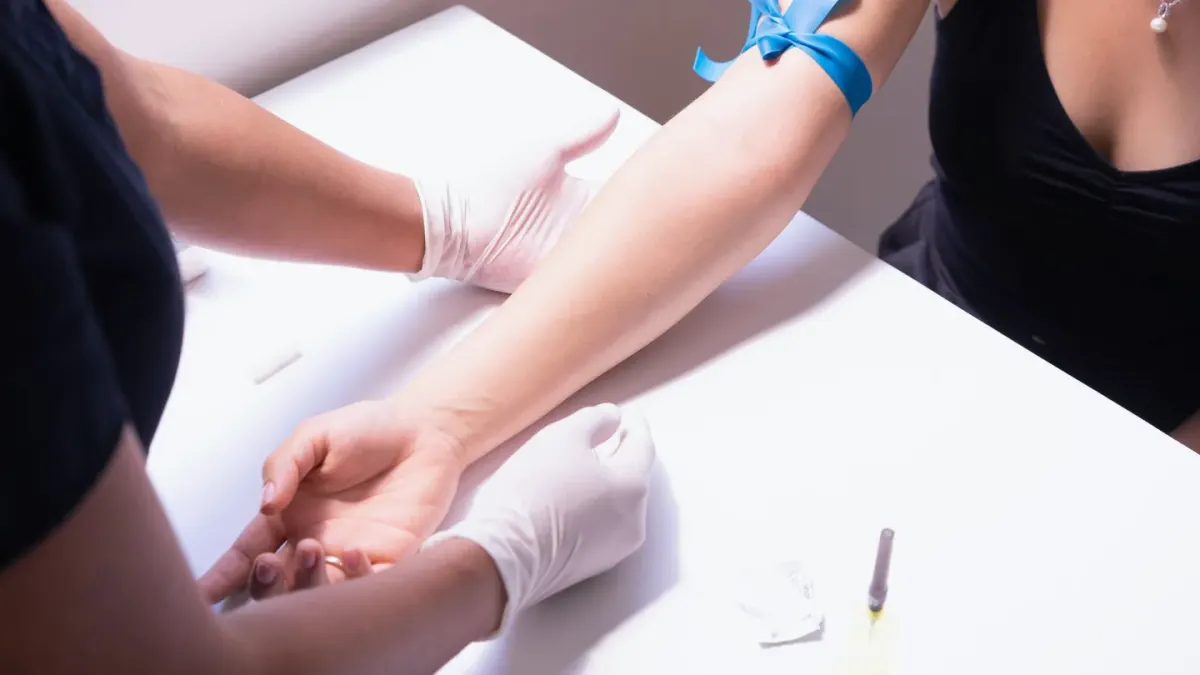
- Schedule the blood draw with enough runway for the 30-day post-vaccination minimum, lab turnaround (10–14 days at the KSU Rabies Laboratory, longer with shipping), and the destination’s own waiting period before entry.
- Send the sample to an approved lab — for most FAVN testing in North America, that’s the KSU Rabies Laboratory; some countries specify a different approved lab, so verify before you draw blood, not after.
- Keep the paperwork trail intact. Vaccination certificate, titer result, and any USDA endorsement should travel together, and I’d photograph or scan everything as a backup.

If your dog is a frequent flyer between titer-requiring countries, our guide on how to travel internationally with your dog walks through the broader document timeline this test sits inside, and the airline-adjacent packing list is worth a look so you’re not scrambling on the paperwork while also packing the crate.
Where I land, and the counterargument I won’t dismiss
Some clients push back and ask why they should trust a single blood draw over just re-vaccinating right before travel — wouldn’t a booster be simpler than months of lead time? It’s a fair question, and for domestic travel within the US, a current vaccine certificate is usually all you need; you don’t need a titer at all. But a booster doesn’t satisfy destination countries that specifically require documented antibody response, and re-vaccinating close to travel can actually work against you if it resets the clock on required waiting periods. I land on the side of testing early and treating the calendar as fixed, because I’ve watched the alternative play out as quarantine, rebooked flights, or a trip canceled outright.
One afternoon that’s stuck with me involved a client with a 3-year-old terrier mix headed to a rabies-titer country for a family posting overseas. She’d read online that the titer was “just a formality” and planned to handle it two weeks out. When I explained the actual math — the vaccination timing requirement, the lab turnaround, and the country’s own waiting period stacked on top — her first reaction was frustration, not at me, but at how buried this information is until you’re already close to your departure date. We ended up restructuring her whole moving timeline around the blood draw instead of around the moving truck. It worked out, but only because we caught it early enough to have options.
If you’re also sorting out car logistics before the international leg, our crash-test ratings guide for dog car restraints is a reasonable next stop — travel prep tends to be a stack of small decisions, and the titer timeline is just the one with the least room for error.
Frequently asked questions
Does a rabies titer test replace my dog's rabies vaccine?
No. The titer only measures antibody response to a vaccine your dog already received — it doesn't substitute for staying current on vaccination.
How long does a rabies titer test result take?
Turnaround at the KSU Rabies Laboratory currently runs 10–14 calendar days once the sample arrives, though shipping time and destination-specific waiting periods add to your real timeline.
Sources
- Travel With a Pet | Animal and Plant Health Inspection Service — USDA APHIS
- Frequently Asked Questions on Dog Importations — CDC
- FAVN Test — KSU Rabies Laboratory