On this page
A 10-week-old Labrador mix, 14 pounds and still napping half the day, was supposed to join her family for a long weekend at a lake cabin. The drive was four hours each way, with one planned stop, and her second vaccine set was still a week out. She was eating well, sleeping through most of the night, and had started to signal at the door before potty accidents. Her owner worried about leaving her behind for three nights versus exposing her too early. The choice was not about gear. It was about whether her immune baseline and routine could hold up away from home.
That is the real starting point for travelling with a young puppy. Puppies are portable, but they are not just small adult dogs. Expectation first: a puppy under about 16 weeks is still building immunity, bladder control, sleep habits, and confidence in new places. Travel can support that development when it is short and predictable. Travel that is too long, too social, or too rushed tends to unravel it.
Your Puppy Is Not Ready For Every Trip Yet
The surprising limitation is immunity plus stamina, not obedience. Most puppies do not finish core vaccines until 14 to 16 weeks or later, and protection builds over weeks, not overnight. Until then, high-traffic dog areas, rest stops with heavy pet use, boarding lobbies, and group play carry more risk.
The American Veterinary Medical Association reminds owners to match travel plans to age and vaccine status, keep identification and health records with you, and plan for confinement, ventilation, and temperature control in transit. That guidance fits puppies especially well because a tired, unvaccinated puppy cannot simply power through a long day.
That gap matters more than any packing list.
Talk with your own veterinarian 2 to 3 weeks before you go. Bring the route, lodging type, and your puppy’s vaccine dates. Ask what surfaces to avoid, whether a pre-trip exam is needed, and what paperwork your airline, state, or lodging requires. If this is your first dog trip, start with Getting Started With Dog Travel: A Practical Prep Guide to set that baseline.
The Myth Puppy-Friendly Means Puppy-Proof
The myth says if a hotel, rental, or patio allows puppies, it must be safe and easy for puppies. Reality is messier. Puppy-friendly often means allowed, not designed for a 12-week-old who mouths baseboards, needs a potty break every 2 hours, and melts down after 45 minutes without a nap.
Last spring on a 280-mile interstate run, a lanky shepherd mix around four months old tried to do the whole day like an adult dog. His owners skipped the midday break to beat traffic, stretched crate time to nearly five hours, and fed a big dinner at a noisy roadside stop. By evening he had refused two meals, drooled through his harness, and had three loose stools behind a gas station. They had packed the right crate and chews. What failed was pacing. A puppy that age still needs frequent potty breaks, small meals, and quiet reset time to support normal digestion and behavior.
I counsel owners to judge a destination by cleanability and control, not photos. A ground-floor room with a hard floor near an exit beats a carpeted high-rise with a long elevator line. A rental with a fenced, low-traffic yard beats a busy lobby with off-leash greetings. Fewer surprises may help support calmer behavior and more predictable potty habits.
Build The Day Around Sleep, Potty, And Shots
Puppies learn best in short loops. Aim for a simple rhythm you can repeat anywhere: potty, eat, play briefly, crate nap, repeat. For many young puppies that means a potty break every 1 to 2 hours while awake, plus right after meals, play, and naps. Keep meals small and familiar. New treats and rich travel food can loosen stools, which makes house training harder on the road.
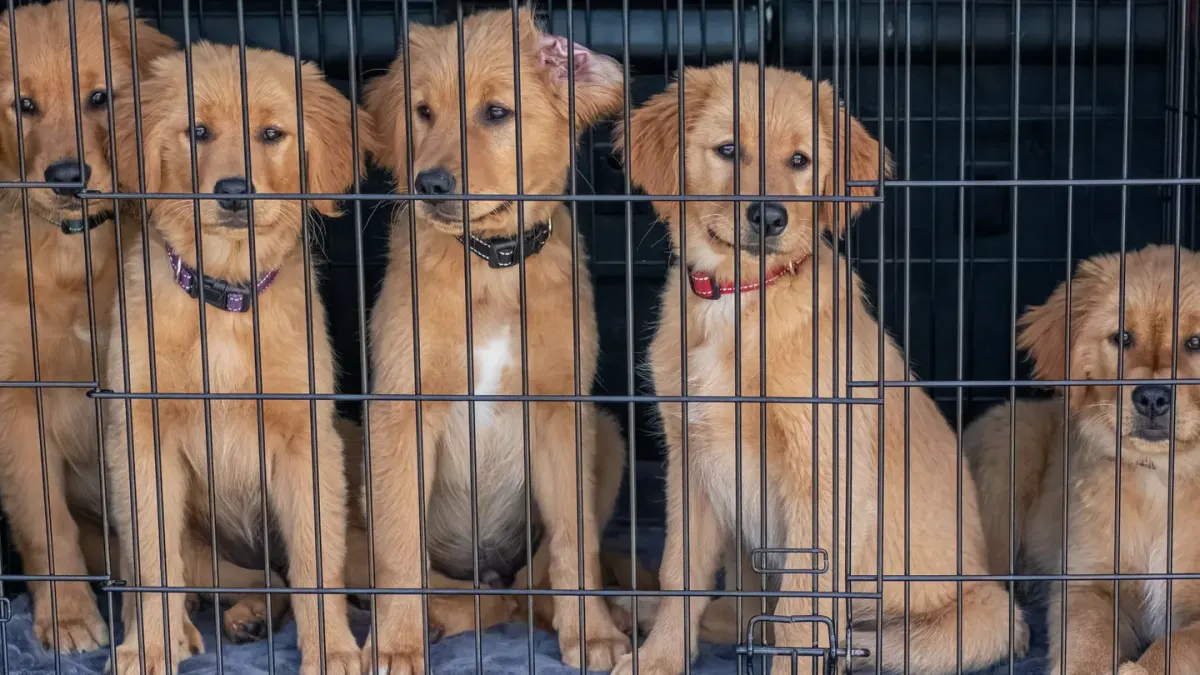
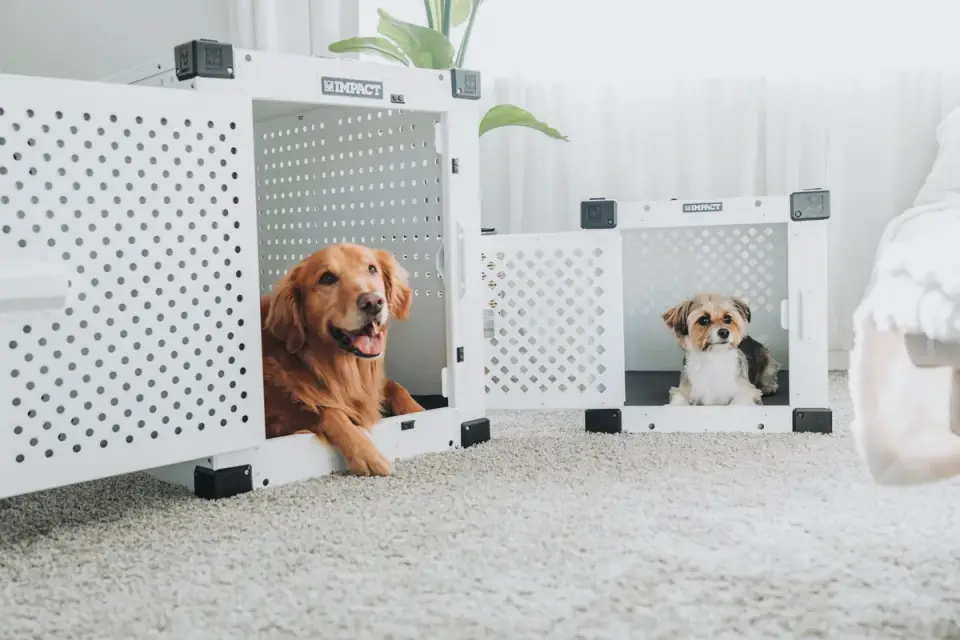
Crate comfort is your anchor. Practice at home first with short, positive sessions, meals in the crate, and a familiar blanket. A crate that is already restful may help support low-stress handling during travel and safer containment in the car. Never leave a puppy alone in a hot car, and secure the crate so it does not shift.
For health records, keep vaccine dates, your vet contact, and any medications in your phone and on paper. Federal and airline rules change, so check current requirements through the USDA Animal and Plant Health Inspection Service before interstate or international travel, and review entry rules from the Centers for Disease Control and Prevention if you are crossing borders. For flight specifics, compare those rules with Airline Pet Policies: What to Check Before You Book.
Car, Plane, Or Stay Home
My position is direct: for most puppies under 4 months, a short car trip you control beats a flight you do not, and delaying a big trip beats pushing a puppy past its limits. Car travel lets you manage potty timing, noise, temperature, and rest. Air travel adds confinement, pressure changes, loud handling, and tighter paperwork windows.
That does not mean never fly. It means choose the least handling, not the cheapest fare.
For a breeder pickup that could not wait, one family flew home with an 8-week-old spaniel pup on a direct two-hour morning flight. Standard advice says drive when you can and keep things quiet, but no driver was available and a layover would have meant double the handling. They booked early, kept her in a carrier under the seat, lined it with familiar bedding, and asked for a private screening when possible. By day two at home she was taking four small meals a day again and playing in short five-minute bursts. The bend worked because they shortened exposure instead of adding stops.
If you drive long distance, map stops every 1 to 2 hours at low-traffic grassy edges, not dog parks. For route help, see How to Plan a Cross-Country Road Trip With Your Dog. Keep leash, water, waste bags, and cleaning supplies within reach. A consistent bedtime routine with dim lights and a chew may help support normal sleep patterns away from home.
Your next step is practical: pick one trip length your puppy can already handle at home, then plan only that. If she naps well for two hours in the crate and potties reliably on leash, plan a two-hour drive with one quiet overnight. Save the festival, the red-eye, and the off-leash beach for after vaccines and training have caught up.
Frequently asked questions
Can I travel with an 8-week-old puppy?
Short, controlled car trips are often workable after a vet check, but avoid high-traffic dog areas until vaccines are further along. Keep days short, protect sleep and meal timing, and confirm paperwork for flights or border crossings.
How often should a young puppy stop on a road trip?
Plan a potty and stretch break every 1 to 2 hours while awake, plus after meals, play, and naps. Keep crate stretches shorter for puppies under 12 weeks.
What should I pack for puppy travel?
Familiar food and treats, water, crate and bedding, leash and harness, waste bags, cleaning supplies, vaccine records, medications, and a quiet chew. Keep vet and emergency contacts in your phone and on paper.
Sources
- Traveling with Your Pet — American Veterinary Medical Association
- Pet Travel — USDA Animal and Plant Health Inspection Service
- Bringing a Dog into the United States — Centers for Disease Control and Prevention