On this page
Your baseline expectation should be this: most harnesses can be backed out of, especially at a noisy rest stop. I counsel clients to plan for the escape, not just the walk.
If your dog slips the harness, do this in order:
- Stop, crouch low, and turn sideways — do not chase
- Use a happy, high voice and toss high-value treats behind you
- Drop to the ground if your dog circles but will not approach
- Keep your car door open as a familiar safe zone if parked close
- Ask bystanders to block traffic exits, not to grab your dog
- Scan for panting, limping, or road exposure once secured
That list is your decision framework. The details below explain why it works and how to set up your next stop so you may help support a calmer, safer routine.
The harness limitation no parking lot can fix
Harnesses manage pressure, they do not guarantee containment. A tired dog that pulls backward, drops its shoulders, and wiggles can slim right out of a chest strap, particularly when the fit loosened during a long nap in the car.
I saw this play out with a composite travel case I use for counseling: a 4-year-old, 48-pound mixed-breed on a family road trip through Ohio, day two of driving. She had been quiet for three hours, then hit the grass strip by the trucks, heard air brakes, spooked, reversed hard, and was suddenly naked except for a leash dragging from an empty harness. Her owners did exactly what most of us would do — they gasped and lunged. She ran farther. It was only when they stopped moving that her behavior shifted from flight to checking in. That quantified marker matters: at 48 pounds, she could cover 50 yards faster than any adult could close the gap, so chasing only increased distance.
Your expectation first: a loose dog near an interstate is a containment problem, not an obedience test. Recall cues often fail under that much adrenaline.
Myth vs. reality: what actually brings a loose dog back
Myth says a firm voice and fast pursuit show leadership. Reality is that pursuit looks like play or predation to a stressed dog, and it may help support more running, not less.
Low-stress handling works better. Turn your body sideways, avoid direct eye contact, and make yourself small and interesting. Crinkle a treat bag, toss kibble or cheese to the side rather than directly at the dog, and let curiosity do the work. The ASPCA notes that a frightened lost dog is more likely to approach a still, quiet person than a group moving toward it, which matches what I see in practice.
Here is the tradeoff I will not pretend away: this feels passive when every instinct says run. One owner told me staying crouched while her beagle sniffed a ditch felt like doing nothing. It is not nothing. Stillness lowers pressure and keeps your dog in the immediate area instead of pushing them toward the highway.
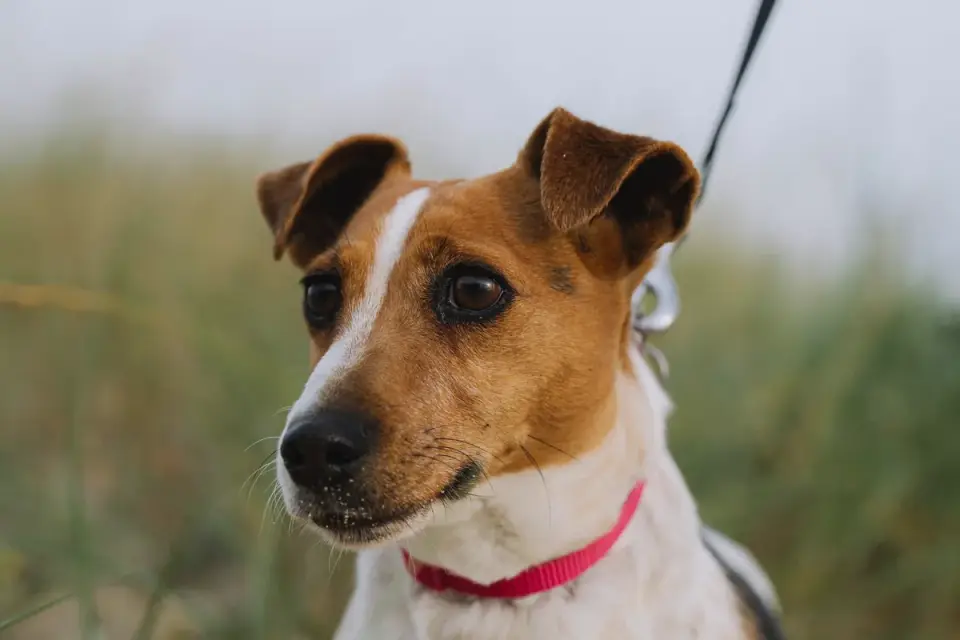
Stay in place if you can. Movement is information to your dog.
The rest-stop recovery sequence I teach
Once you have stopped chasing, work this sequence. It borrows from low-stress handling and from what search volunteers use for panicked dogs.
1. Anchor yourself. Plant near your car with the door open if safe. Dogs often loop back to the last familiar scent. Talk in a sing-song, familiar tone, not a sharp recall.
2. Lure, do not grab. Toss treats in an arc behind you so your dog must pass you to follow the trail. Have a second leash or slip lead ready to loop gently, not to snatch. Reaching over the head triggers ducking.
3. Recruit help wisely. Ask one calm person to watch exits to the road or parking lot flow. Ask others not to call, clap, or crowd. Too many voices raise arousal.
4. Use the car as a trap. If your dog loves car rides, pat the seat and use your normal loading cue. Many dogs will hop in voluntarily.
I think about another composite scenario here, the failed approach: a 2-year-old, 22-pound terrier mix at a crowded Virginia rest area, three weeks in to a new adoption. The owner, understandably panicked, had three strangers chase in different directions while calling his new name, which he barely knew. By day 10 in a home dogs are still learning cues, and under stress that name meant little. He darted under parked cars for 20 minutes. What changed the pattern was subtraction — everyone stopped, the owner sat on the curb with chicken from a cooler, tossed pieces away, and waited. He crept out to eat in a widening circle, then climbed into her lap.
The American Kennel Club describes a similar approach for catching a loose dog, including getting low, using food lures, and avoiding direct chase, which may help support a safer recovery without adding pressure.
Once you have your dog, check paws, chest strap rub areas, breathing rate, and behavior before driving on. A dog that sprinted on hot asphalt or near traffic needs water, shade, and a few quiet minutes to let the stress response settle.
After the scare: prevent the second escape
Prevention is structure, not scolding. Before your next stop, tighten and check fit — you should just fit two fingers under straps, with no twisting over the shoulders. Add a backup: a well-fitted flat collar with ID plus harness, joined by a short connector or using two leashes at high-risk stops.
This is where an edge case changes the plan. A senior 11-year-old, 65-pound Labrador with early laryngeal weakness and heat intolerance escaped at a sunny Arizona pullout at noon. He did not run; he wandered toward shade under a tractor-trailer, panting heavily within four minutes. For older or brachycephalic dogs, the risk is less about distance and more about heat and mobility near vehicles. For these dogs, I recommend parking farther from truck idling zones, using a carabiner backup to a headrest tether during door opening, and doing a short relief walk only. Your AVMA microchip registration matters here too, since a wandering senior may be picked up by another traveler before you can reach them.
For more on setting up safer stops, see Rest-Stop Etiquette When Traveling With a Dog, How Often Should You Stop on a Road Trip With a Dog?, and How to Stop Your Dog From Moving Around in the Car.
What would make your next rest stop escape-proof? Two leashes, snug straps, and a plan to stay still if the worst happens.
Frequently asked questions
Should I chase my dog if they run toward the road?
No. Chasing usually pushes a frightened dog farther and faster. Crouch low, stay still, toss treats behind you, and ask one person to block road access while you lure your dog back.
How do I keep a harness from slipping off again?
Refit before every stop with two fingers under straps, use a backup collar with ID and a second leash or connector, and open car doors slowly with your dog tethered until you have control.
Sources
- Microchipping Animals FAQ — AVMA