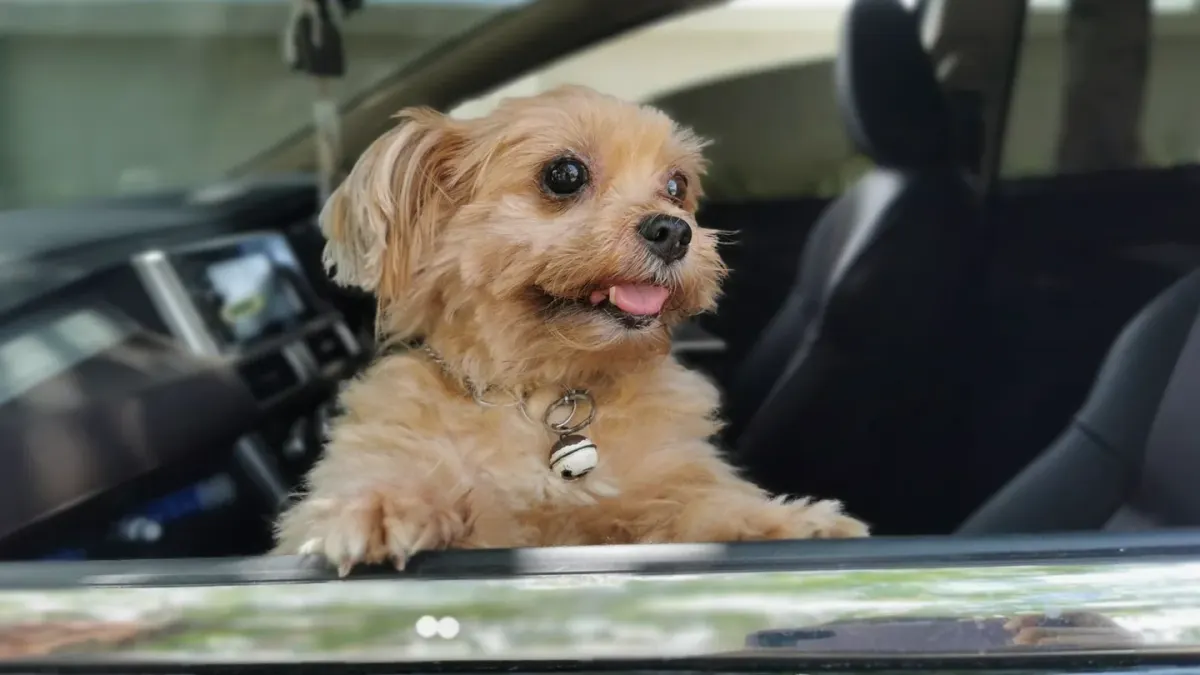
New smells, new footings, and new wildlife sounds can turn an easy walker into a freight train on day one of a trip. I counsel traveling owners to expect that shift, because novelty raises arousal and arousal tightens the leash before any training gap shows up.
We had just parked at a pine trailhead outside Flagstaff with a four-year-old, 45-pound cattle-dog mix who walks politely around her Phoenix block. Within 0.3 miles she was lunging at juniper bushes, zigzagging for chipmunk scent, and hitting the end of a six-foot leash with her chest low and tail high. Her owner felt embarrassed and worried the harness fit was wrong. I had her stop, shorten the picture, and reward three calm check-ins before we moved again, which made the choice concrete: manage arousal first, then ask for walking skills.
That is the surprising limitation no gear fixes alone.
Why does a polite neighborhood dog forget everything on vacation?
Your dog is not being stubborn. On home turf the smells are catalogued and predictable. On an unfamiliar trail every 20 feet brings unmarked urine, food wrappers, deer scat, moving water, and off-leash dogs around blind curves. The nose drives the feet.
Arousal also changes the body. Heart rate climbs, panting increases, and pulling becomes self-rewarding because lunging forward gets the dog closer to the interesting thing. The American Veterinary Society of Animal Behavior notes that training based on rewarding desired behavior may help support learning more reliably than correction-based methods, which matters on trails where leash pops often add frustration without teaching an alternative.
Pain and fit compound the problem. A harness that rubs under the arms, a collar that pressures the trachea when the dog hits the end, or sore paws after a long car ride can increase pulling or sudden darting. I check baseline comfort before I label anything a behavior issue.
A tight leash is information, not defiance.
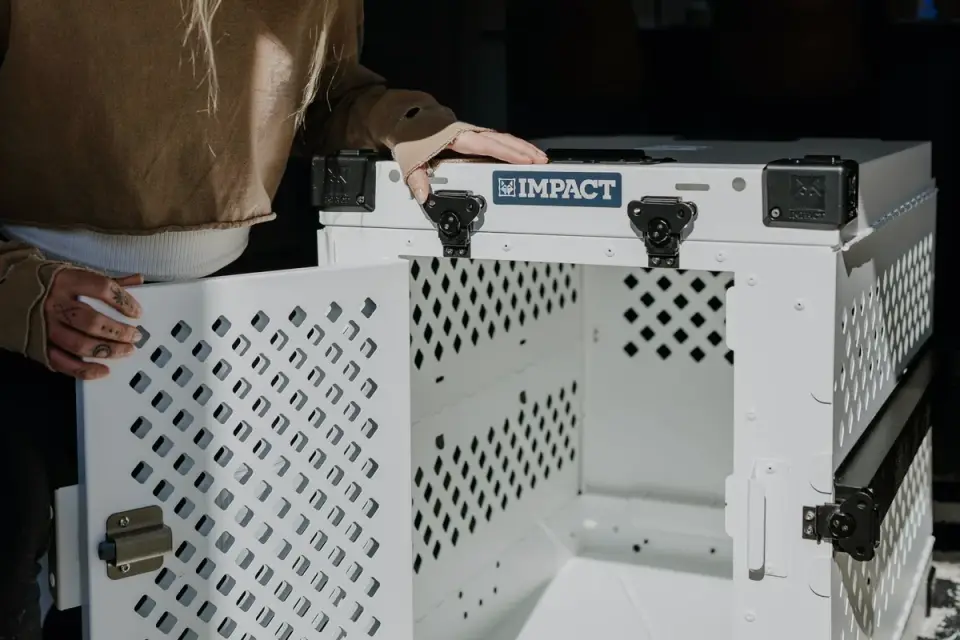
Myth: hard pullers need a tougher leash. Reality: they need a smaller job.
The myth says a stronger no-pull harness, a shorter leash, or a firm correction will solve trail pulling. In practice, more restraint without direction often creates more opposition reflex — you pull back, your dog pulls forward harder.
What actually helps is giving the brain a job it can win. The Merck Veterinary Manual describes how consistent reinforcement of an alternative behavior may help support reliable responses over time. On a trail that means marking and rewarding position near you, sniff breaks on cue, and easy U-turns away from triggers.
Last spring an owner told me her beagle mix had ruined three hikes after they switched to a short traffic leash and tried to muscle him past deer scent. After five neighborhood practice walks using a 12-foot long line in a field and a simple “with me” cue for treats, the dog still surged at first on a Sedona trail. The difference was recovery took seconds instead of minutes. That failed approach taught us something useful: control without choice suppresses for a block and then boils over.
If you are still building your overall routine, review Getting Started With Dog Travel: A Practical Prep Guide before you add trail miles.
A trail sequence you can repeat when the nose takes over
Think in a loop: decompress, connect, walk, release. You can run it every few minutes without stopping the fun.
Start with a five-minute decompression. Park, potty, sniff the lot on a loose leash, offer water. Dogs that ride crated or belted for hours step out stiff and buzzy, and a pause may help support a calmer start. For ideas on low-stress arrivals, see How to Help Your Dog Adjust to a New Environment While Traveling.
Then connect before you head out. Ask for two or three simple, known behaviors — name response, touch, find-it — and reward with small, soft treats. Keep early criteria easy. The VCA Animal Hospitals loose-leash guidance emphasizes rewarding the dog for staying in position rather than waiting to correct pulling, which fits travel perfectly because your rate of reinforcement has to beat the environment.
On the move, use a sniff-walk rhythm. Walk 30 to 50 steps in hiking position, then cue “go sniff” and stand still while your dog investigates a two-foot radius. Call back in, reward, and walk again. Use a front-clip harness or well-fitted Y-harness with a 6- to 10-foot leash where allowed, not a retractable leash near cliffs, bikes, or wildlife. When your dog locks onto a trigger, create distance early with an upbeat U-turn rather than a hallway standoff on a narrow trail.
What about the dog who cannot settle even with space? A seven-year-old, 78-pound senior Lab I hiked with in Colorado panted heavily, pulled downhill, and lay down flat at every stream crossing on day three of a road trip. His owner assumed excitement. The bend in the usual advice was to cut the hike short, check paws and hydration, and use car rest plus short sniff strolls instead of summit goals. Older travelers, brachycephalic breeds, and dogs new to altitude often need shorter loops and more recovery, not more reps.
And if motion sickness on the drive in left your dog drooly and stressed before the trailhead, plan for that next time with How to Help a Carsick Dog Without Medication.
Will this make your dog heel like a competition dog past elk sign? Probably not on week one. Will it give you a dog who can check back in, take a sniff break without dragging you, and finish the hike with paws and manners intact? With practice, yes.
What would change if you measured success by quick recoveries instead of zero pulling?
Frequently asked questions
Why does my dog only pull hard on new trails?
Novelty drives arousal. New scents, animals, people, and footing raise excitement and forward momentum, so pulling that rarely appears at home shows up fast on vacation.
Will a no-pull harness stop trail pulling by itself?
It may help support management by reducing leverage, but lasting change comes from rewarding position near you, planned sniff breaks, and creating distance from triggers.
How long should practice sessions be on a trip?
Keep training bursts to 2 to 5 minutes inside a normal walk. Short, frequent wins may help support learning without tiring you or your dog.
Sources
- Position Statements — American Veterinary Society of Animal Behavior