On this page
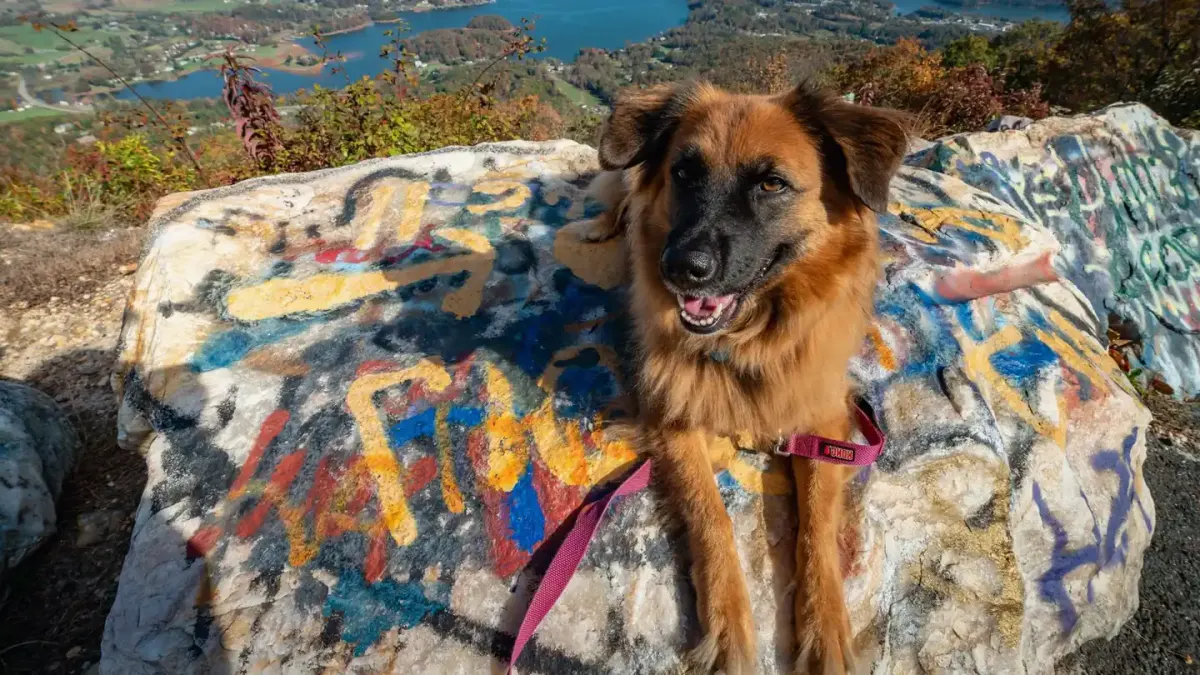
Maya thought she had timed it perfectly — 72 degrees, windows cracked, quick coffee run with her 3-year-old, 48-pound Border Collie mix asleep in the back of the SUV. She set a phone timer for six minutes, parked under a thin strip of shade, left both rear windows down two inches and hurried inside. By minute four, the sun had shifted, the shade was gone, and the dog was standing, panting with his tongue wide and flat. Nothing tragic happened, but her baseline expectation changed in that parking lot: cooling a parked car is not a setting you control.
That is the surprising limitation to lead with. You cannot keep a dog reliably cool in a parked car with cracked windows, a sunshade, or a bowl of water. The American Veterinary Medical Association warns that interior temperatures can climb rapidly even on mild days, and cracking windows does little to slow that rise. Expectation first: if you need active cooling to make the stop safe, the stop itself is not safe.
Why cracking the windows does not work
Think of a parked car as a glass box, not a shaded crate. Sunlight passes through glass, heats the seats and dash, and that heat stays trapped. Airflow through a two-inch gap may help support comfort on a breezy 60-degree morning, but it cannot offset solar gain once temperatures climb into the 70s.
Vets often see the same pattern in summer: a short errand stretches to 12 minutes, panting progresses to drooling and restlessness, and the owner returns to a dog that needs 30 minutes to settle. The ASPCA notes similar risks around panting, drooling, and heatstroke signs, and recommends never leaving animals alone in a parked vehicle. Brachycephalic breeds, puppies, seniors, and dogs with airway or heart conditions lose heat even less efficiently.
No fan, shade cloth, or reflective windshield cover changes that math enough to trust.
A safer stop sequence that actually keeps dogs cool
The safest way to keep a dog cool around a parked car is to avoid needing to. Plan the trip so the car keeps moving or the dog does not stay in it.
Start before you leave. Travel early or late, pre-cool the cabin, and bring more water than you think you need plus a spill-proof bowl. For ideas to reduce restlessness between stops, see How to Keep Your Dog Entertained on a Long Car Ride.
Use this sequence at each stop:
- Person stays or dog goes. One adult stays in the running, air-conditioned car with the dog, or the dog comes with you to a dog-friendly patio or waiting area.
- If no one can stay, skip the stop. Drive through, curbside pickup, or leave the dog home with enrichment instead.
- Park for the dog, not the errand. Choose shade you will still have in 15 minutes, not just now. Full shade, engine off, is still not safe for waiting — it only helps for active loading and unloading.
- Load cool and quick. Offer water, check gums and breathing, and get air moving again before you buckle in. A crate or barrier setup should never block airflow from vents.
- Watch the recovery. Normal travel panting should ease within a few minutes of cool air. Heavy, noisy panting that does not settle deserves shade, water, and a call to your veterinarian.
A second traveler learned the tradeoff the hard way. He drove cross-country with his 9-month-old, 22-pound French Bulldog, proud of his new battery fan clipped to the crate and a windshield reflector. At a rest stop in Texas he left the fan running, windows cracked, and went inside for what became 18 minutes in line. When he returned the crate thermometer read 94 degrees, the fan was just pushing hot air, and the puppy was drooling ropes onto the crate mat. He moved the puppy to air-conditioning immediately, offered small sips of cool water, and skipped the next two sightseeing stops entirely. Gear may help support airflow while you are present — it does not hold temperature while you are gone.
When heat illness signs show up
Know what early trouble looks like so you can act fast.
Move the dog to shade or air-conditioning, offer small amounts of cool water, and wet the paw pads and belly with cool — not ice-cold — water. The Centers for Disease Control and Prevention highlights similar cautions about pets and heat, including never leaving pets in parked cars and watching for heat-related illness.
This is not a wait-and-see situation.
Call your veterinarian or an emergency clinic right away if you see collapse, vomiting, glazed eyes, brick-red gums, or panting that does not slow once cooling starts. Dogs cool mainly by panting, not sweating, so heavy panting is work, not just noise.
Where the usual advice has to bend
Sometimes leaving the dog home is not an option — a move, a vet referral two towns over, a highway closure with no dog-friendly lodging. One owner facing a 340-mile relocation day with her 11-year-old, 63-pound Labrador knew she would need bathroom breaks with no second driver. She changed the plan instead of the physics: she mapped pet-friendly gas stations, parked nose-out under canopies, kept the engine and A/C running with a spare key while she stood within sight for a 90-second bathroom dash, and took her dog out with her on leash for every longer stop. For pickup-truck legs of trips like this, the same never-alone rule applies — see Can Dogs Ride Safely in the Bed of a Pickup Truck?.
She still never left him to “wait cool.” She either stayed, brought him, or drove on.
That is where I land as a counselor: do not try to beat the parked car. Plan around it, expect heat to win inside glass, and give your dog the cool that only shade, water, airflow, and you being present may help support.
Frequently asked questions
Can I leave my dog in a parked car if the windows are cracked?
No. Cracked windows do not prevent rapid heat buildup, and even mild days can become dangerous in minutes. Have an adult stay with the dog in a running, air-conditioned car or bring the dog with you.
Do sunshades or battery fans keep a parked car safe for dogs?
They may help support brief comfort while you are present and the air is moving, but they do not hold a safe temperature once you leave. Do not rely on them for an unattended wait.
What should I do if my dog is panting heavily after a car stop?
Move to shade or air-conditioning, offer small sips of cool water, wet paw pads and belly with cool water, and call your veterinarian promptly if panting does not ease, or if you see drooling, vomiting, weakness, or collapse.
Sources
- Warm-Weather Pet Safety — American Veterinary Medical Association
- Hot Weather Safety Tips — ASPCA
- Heat and Pets — Centers for Disease Control and Prevention