On this page
The limitation I see trip up most owners isn’t a dramatic meltdown — it’s that they’re waiting for one. In my practice, the dogs who get labeled “fine in the car” are frequently the ones drooling on the seat, yawning at stoplights, and licking their lips through the entire drive. Nobody flags it because nothing looks like a crisis. That’s the myth: car anxiety in dogs is loud, obvious, easy to spot. The reality is it’s usually quiet, cumulative, and dismissed as “just how she rides.”
The early signals owners talk themselves out of
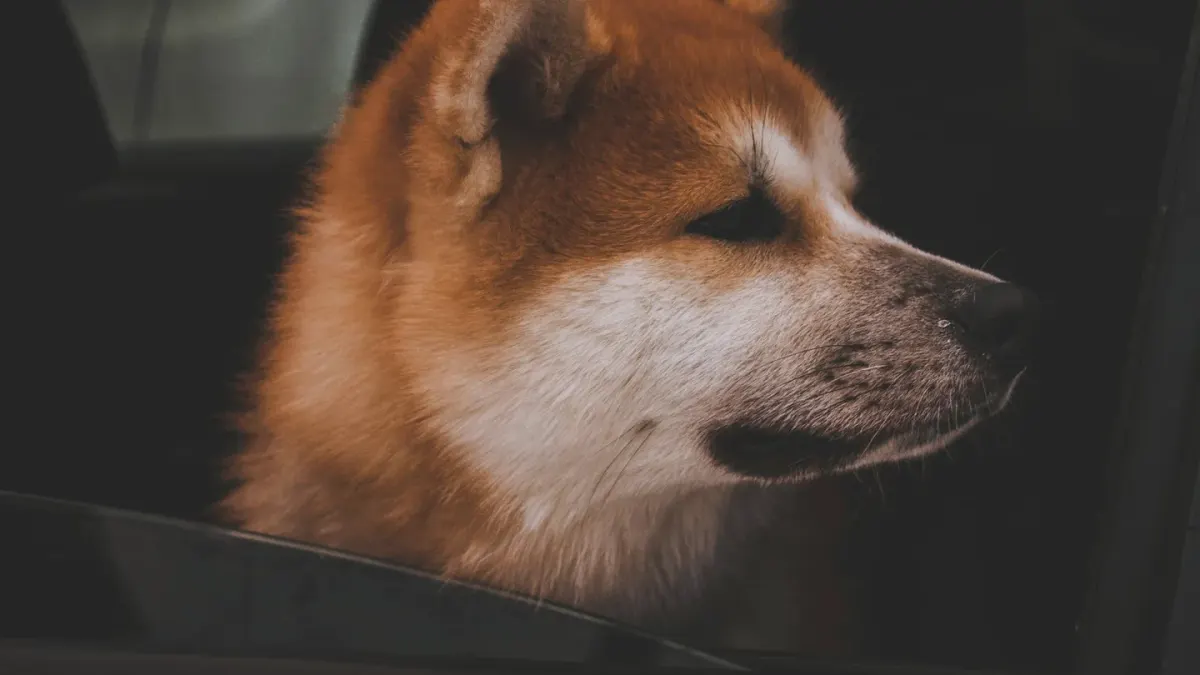
Lip licking with no food around, yawning outside of tiredness, and a tucked tail before the door even opens — these are the calming signals a stressed dog reaches for first, and Dogs Trust lists them among the earliest, most commonly missed markers of canine stress. Add in ears pinned back, a low or fast tail wag rather than a loose one, and paw sweat you’d only notice on a hard seat. None of it screams anxiety. All of it is data.
I ask owners a specific question at the appointment: does your dog hesitate at the car door, or walk up and stop? Hesitation, stiffening, or a wide-eyed look toward the vehicle before loading is often the tell that gets skipped because the dog still, eventually, gets in.
The escalation pattern, and where motion sickness fits in
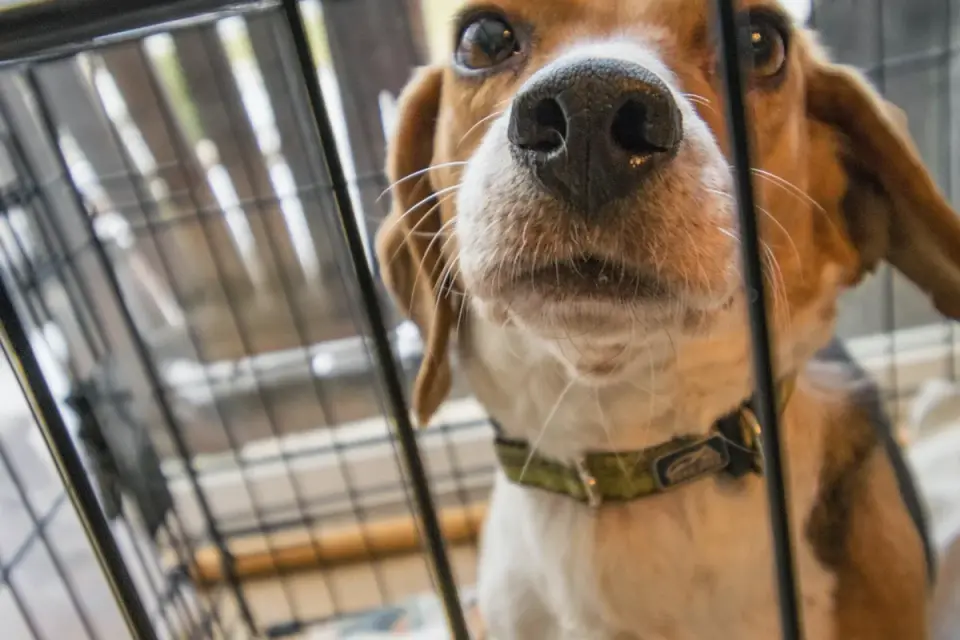
Panting outside of heat, excessive drooling, whining, and restless pacing in the seat or crate mark the middle tier. This is also where motion sickness overlaps with anxiety and muddies the picture for owners — a dog that’s nauseated will pant, drool, and swallow repeatedly for reasons that have nothing to do with fear, and the two conditions can feed each other over repeated trips. VCA Animal Hospitals notes that motion sickness is more common in puppies, likely because the inner-ear structures used for balance aren’t fully developed yet, and that dogs learn to associate the car with feeling sick — which can look identical to straightforward car anxiety by the time they’re a year old.
At the severe end: refusal to get in the car, trembling or shivering once inside, vomiting, and loss of bladder or bowel control. Preventive Vet points out that by this stage, a dog has often built a strong negative association with the car itself, not just the motion — meaning the anxiety can outlast a resolved motion-sickness issue if it isn’t addressed separately.
One dog I worked with, a 4-year-old 55-pound Golden Retriever mix named Otis, was brought in because his owner assumed he’d simply “grown out of” loving car rides. What had actually happened, over about six months, was a slow stack of short, tense trips to the groomer and the vet with no fun destinations mixed in. By the time I saw him, he wouldn’t jump into the SUV without being lifted, drooled through the seatbelt straps within two minutes of the engine starting, and had started shaking on the driveway before the door even opened. His coat and appetite were normal, his stool was fine, and a physical exam ruled out an inner-ear or orthopedic cause — this was learned association, not illness. We rebuilt his car experience in short, reward-only, engine-off sessions before ever driving anywhere.
A practical sequence I walk owners through
- Log it for a week. Note lip licks, yawns, panting, and hesitation at the door on ordinary trips — not just the bad ones. This is how you catch the early tier instead of only the severe one.
- Separate motion sickness from fear. If vomiting or excessive drooling shows up within the first ten minutes and eases once the dog settles, motion sickness is likely a contributor; if the trembling starts before the engine even runs, fear is doing more of the work. Our guide on how to make car rides less stressful for your dog breaks down both tracks.
- Rebuild positive association in short reps. Feed treats in a parked, engine-off car before ever driving. Add the engine, then a driveway loop, then a short trip to somewhere good — not just the vet.
- Check the restraint setup. A crate or harness that shifts or feels unstable adds physical stress on top of emotional stress; see Dog Car Seat Belt vs Crate vs Barrier and Crash-Test Ratings for Dog Car Restraints, Explained for how to pick one that won’t make the ride feel worse.
- Start puppies right, or restart older dogs the same way. If you’re working with a young dog, How to Get a Puppy Used to Car Rides walks through the same desensitization sequence at the age it matters most.
- Call it in if severe signs persist. A dog still vomiting, shaking, or refusing to load after two to three weeks of graded exposure needs a vet visit — not more exposure.
Where I land, and the trade-off I won’t pretend away
My position is this: treat the early, boring signals — the lip licks, the yawns, the hesitation at the door — as seriously as you’d treat vomiting, because waiting for the dramatic version means you’re already working against months of learned association. The strongest counterargument I hear is that most dogs “grow out of it,” and there’s truth in that for pure motion sickness, since balance mechanisms mature with age. But learned fear doesn’t resolve on its own the way a developing inner ear does, and I’ve watched too many owners wait out a problem that was never going to age out.
The trade-off is time. Graded desensitization takes real weeks, not one good weekend trip, and that’s a hard sell before a vacation you booked six months ago. I still recommend starting the short, boring sessions now rather than hoping the destination fixes the ride — a dog that finally settles into car travel is worth the slower start. What signs is your dog already showing that you’ve been calling “just how he rides”?
Frequently asked questions
What's the very first sign of car anxiety in dogs?
Usually it's a subtle calming signal like lip licking, yawning, or hesitation at the car door — not panic. These often show up well before panting, drooling, or refusal to load.
How do I tell car anxiety apart from motion sickness?
Motion sickness tends to cause vomiting or heavy drooling shortly after the car starts moving and can ease once the dog settles; fear-based anxiety often starts before the engine even runs, with trembling or refusal to approach the car.
Do puppies outgrow car anxiety?
Puppies commonly outgrow motion sickness as their inner-ear balance structures mature, but learned fear from stressful past trips doesn't resolve the same way and usually needs deliberate desensitization.
Sources
- Signs of Stress In Dogs | Anxious Dogs — Dogs Trust
- Motion Sickness in Dogs — VCA Animal Hospitals
- Preventing and Treating Travel Anxiety in Dogs — Preventive Vet